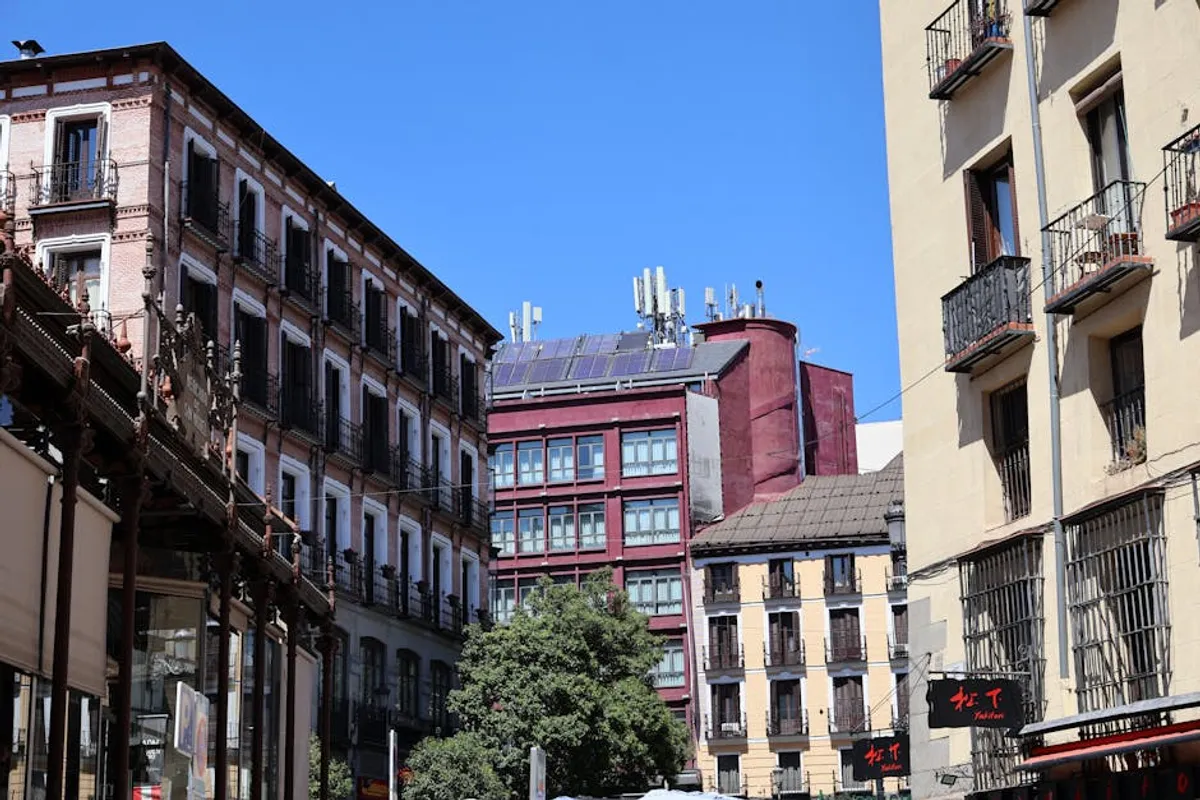
Historic buildings are more than just old structures; they are tangible anchors of urban identity, offering a distinct competitive advantage for cities in an increasingly globalized landscape. For urban planners, real estate developers, tourism boards, and city marketers, understanding and strategically leveraging this architectural heritage is critical. These structures provide a unique visual brand, attract economic investment, and foster a sense of belonging that modern construction often struggles to replicate. The decision to preserve, adapt, or integrate historic architecture directly influences a city's appeal to residents, businesses, and visitors, impacting everything from property values to cultural vibrancy. This approach to city branding through architecture and culture can significantly enhance a city's unique appeal and economic viability.
Architectural Heritage as a Branding Asset
A city's architectural heritage forms a foundational layer of its brand identity, distinguishing it from competitors. Unlike generic contemporary developments, historic buildings offer immediate visual recognition and a narrative depth that resonates with audiences. This distinctiveness is a powerful asset in attracting tourism, skilled labor, and corporate investment.
Visual Identity and Recognizability
Iconic historic buildings serve as visual shorthand for a city, instantly communicating its character and history. Think of Paris without its Haussmannian boulevards, or Rome without its ancient ruins. These structures provide unique backdrops for photography, film, and marketing campaigns, making a city memorable and shareable. This visual consistency, often developed over centuries, creates a cohesive aesthetic that informs urban design policies and property development standards, ensuring new constructions complement, rather than detract from, the established character.
Storytelling and Narrative Depth
Each historic building carries a narrative, embedding the city's past into its present. These stories, whether of industrial innovation, political movements, or cultural shifts, offer a rich tapestry for engaging residents and visitors. Cities can leverage these narratives in their marketing, educational programs, and public art initiatives. This storytelling capability fosters a deeper connection with the urban environment, moving beyond mere aesthetics to provide context and meaning. For developers, integrating these stories into adaptive reuse projects can add significant market value by offering unique, character-rich spaces that command premium rents or prices.
Economic Catalysts: Tourism, Retail, and Property Value
The preservation and promotion of historic buildings are not merely cultural endeavors; they are potent economic strategies that drive revenue, create jobs, and enhance property values across urban centers.
Driving Heritage Tourism
Historic districts and landmark buildings are primary motivators for heritage tourism, a sector that consistently outperforms general tourism in many regions. Visitors seek authentic experiences, and historic sites offer direct engagement with a city's unique past. This influx of tourists supports local businesses—hotels, restaurants, retail, and cultural institutions—generating direct economic impact through spending and indirect impact through job creation. Cities that invest in preserving and interpreting their heritage often see higher visitor numbers and longer stays, translating into greater revenue streams.
Enhancing Property Values
Properties within or adjacent to well-preserved historic districts often command higher values than comparable properties in areas lacking distinct character. This premium is driven by several factors: the scarcity of unique historic spaces, the aesthetic appeal of established architecture, and the stable, desirable neighborhood environments that often accompany preservation efforts. Historic tax credits and other incentives further encourage developers to invest in these areas, leading to sensitive rehabilitation projects that revitalize neighborhoods while maintaining their essential character. This creates a virtuous cycle where preservation fuels desirability, which in turn supports higher property values and continued investment.
Fostering Community and Cultural Cohesion
Beyond economics and aesthetics, historic buildings play a crucial role in shaping a city's social fabric, providing continuity and a shared sense of place for its inhabitants.
- Sense of Belonging: Historic structures act as collective memory markers, connecting current residents to past generations and fostering a sense of shared heritage and identity.
- Community Hubs: Many historic buildings are repurposed as community centers, arts venues, or local businesses, becoming focal points for social interaction and civic engagement.
- Educational Opportunities: These sites offer invaluable educational resources, teaching local history, architecture, and urban development to residents and students.
- Cultural Expression: Preserving spaces where cultural traditions have long thrived allows for the continuation and evolution of local arts, crafts, and community events.
Pro Tip: When planning adaptive reuse projects for historic buildings, prioritize authentic material restoration and retain original architectural features. While modern amenities are crucial, compromising the building’s historical integrity can diminish its unique market appeal and long-term value as a cultural asset. Document all preservation efforts meticulously for future marketing and historical reference.
Challenges and Strategic Preservation
While the benefits of historic preservation are clear, cities face significant challenges, including funding limitations, regulatory complexities, and the pressure for new development. Strategic preservation requires a balanced approach that integrates heritage conservation with modern urban needs.
Effective strategies involve creating robust local historic district ordinances, establishing preservation commissions with clear guidelines, and offering financial incentives such as tax abatements, grants, and low-interest loans for rehabilitation projects. Public-private partnerships are often essential for large-scale preservation, pooling resources and expertise. Furthermore, integrating historic preservation into broader urban planning—such as transportation infrastructure or green space development—ensures that heritage assets are not isolated but contribute to a holistic vision for city growth.
Leveraging Historic Assets for Future Growth
For cities aiming to cultivate a distinctive identity and secure long-term economic vitality, strategic engagement with historic buildings is non-negotiable. This involves not just protecting existing structures but actively integrating them into urban development plans, marketing initiatives, and community engagement efforts. By understanding their multifaceted value—as branding elements, economic drivers, and social anchors—cities can transform their past into a powerful foundation for future prosperity. Prioritizing heritage translates into a more resilient, attractive, and economically vibrant urban environment that appeals to a diverse range of stakeholders.
Frequently Asked Questions
How do historic buildings contribute to a city's economic development?
They attract heritage tourism, which generates revenue for local businesses, creates jobs, and supports the hospitality sector. They also enhance property values in and around historic districts, stimulating investment and increasing the tax base.
What are the main challenges in preserving historic urban architecture?
Key challenges include securing adequate funding for restoration, navigating complex preservation regulations, balancing preservation with the demand for new development, and addressing structural deterioration or outdated infrastructure in older buildings.
Can modern urban planning coexist with historic preservation?
Yes, successful urban planning often integrates historic preservation by developing design guidelines that ensure new construction complements existing heritage, utilizing adaptive reuse strategies, and incorporating historic sites into broader revitalization plans, such as public parks or transportation hubs.
How can cities measure the impact of historic preservation on identity?
Impact can be measured through metrics like increased heritage tourism numbers, growth in property values within historic districts, public engagement with historical sites, media coverage highlighting the city's unique character, and resident surveys on civic pride and sense of place.