City branding, at its core, is the strategic effort to cultivate a distinct identity and reputation for an urban area. This process extends beyond mere tourism campaigns; it aims to attract investment, retain residents, foster local pride, and position the city competitively on a global stage. While digital presence and marketing campaigns are critical components, the most enduring and authentic city brands are fundamentally built upon tangible assets: their architecture and cultural landscape. These elements provide the physical and experiential foundation that digital narratives then amplify. For marketers, agencies, and city stakeholders, understanding how to leverage these deep-rooted attributes is essential for crafting a brand that resonates, drives engagement, and delivers measurable economic and social returns.
The Foundational Role of Architecture in City Identity
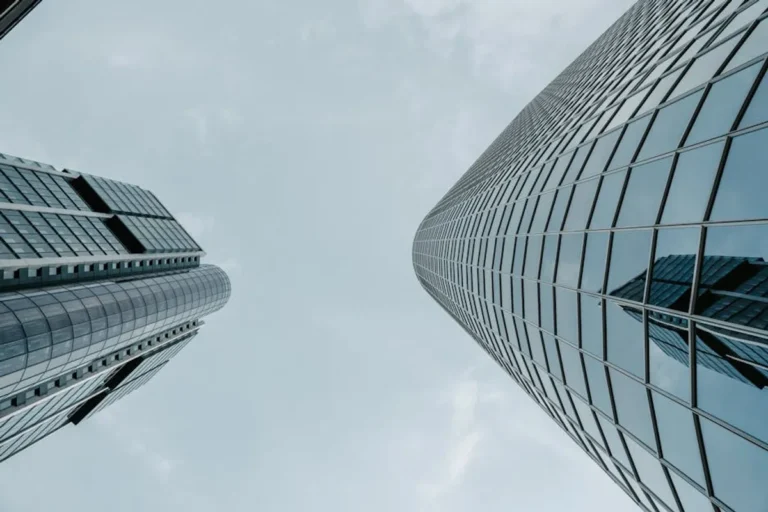
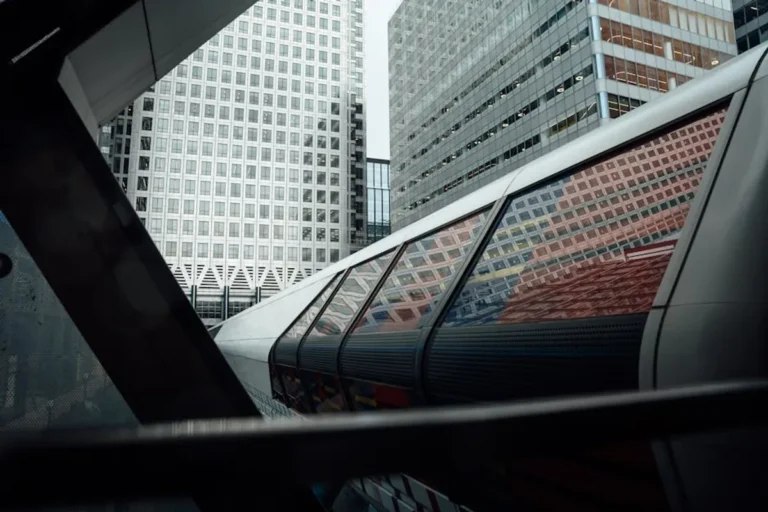
Architecture defines a city's physical character and often serves as its most immediate visual identifier. From individual landmarks to comprehensive urban planning, the built environment communicates a city's history, aspirations, and values.
Iconic Structures as Brand Anchors
Certain buildings transcend their functional purpose to become global symbols, instantly recognizable and synonymous with their host cities. The Eiffel Tower in Paris, the Sydney Opera House, or the Burj Khalifa in Dubai are not just structures; they are powerful brand anchors. Their distinct forms and the stories associated with their creation draw millions of visitors, generate extensive media coverage, and provide a visual shorthand for the city's brand. For instance, the Guggenheim Museum Bilbao transformed a post-industrial city into a cultural destination, demonstrating how a single architectural masterpiece can redefine a city's global perception and economic trajectory by attracting arts tourism and fostering urban regeneration.
Urban Planning and Livability
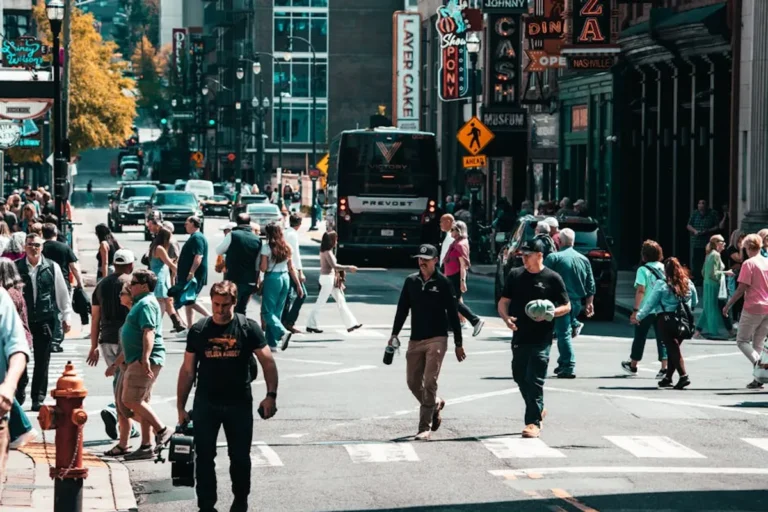
Beyond individual icons, the overall urban fabric contributes significantly to a city's brand. Cohesive architectural styles, thoughtful public spaces, and pedestrian-friendly infrastructure communicate a commitment to quality of life. Cities like Copenhagen or Amsterdam, known for their cycling infrastructure and green spaces, brand themselves as sustainable and livable. This perception attracts specific demographics—creative professionals, families seeking a balanced lifestyle—and businesses that value such environments. Effective urban planning, therefore, directly influences a city's appeal as a place to live, work, and invest, translating into higher property values, increased tax revenue, and a more robust talent pool.
Heritage Preservation and Modern Development
A city's brand narrative is often enriched by the dynamic interplay between its historical roots and its modern ambitions. Preserving historic districts, like the Old City of Jerusalem or the historic center of Rome, anchors a city in its past, offering depth and authenticity that appeals to cultural tourists and those seeking a sense of timelessness. Simultaneously, integrating contemporary architecture, such as the Shard in London or the Marina Bay Sands in Singapore, signals progress, innovation, and economic dynamism. The strategic balance between these two approaches allows a city to tell a compelling story of evolution, appealing to a broader audience segment that values both tradition and forward-thinking development.
Culture as the Soul of City Branding
While architecture provides the stage, culture infuses a city with its unique personality, traditions, and human experience. It's the living, breathing aspect of a city's identity.
Festivals and Events as Economic Drivers
Cultural festivals and events are critical components of city branding, offering distinct experiences that cannot be replicated elsewhere. Rio's Carnival, Munich's Oktoberfest, or the Edinburgh Fringe Festival are not merely local celebrations; they are international magnets that attract millions, generating significant tourism revenue, boosting local economies, and creating global media buzz. These events foster a sense of community and pride among residents while simultaneously positioning the city as a vibrant, dynamic destination. The specific nature of these events—be it music, art, food, or heritage—allows cities to target and attract specific visitor segments, aligning with broader branding objectives.
Arts, Music, and Culinary Scenes
A city's brand is deeply intertwined with its vibrant arts, music, and culinary scenes. New Orleans, for example, is synonymous with jazz and Creole cuisine, creating a strong cultural identity that draws tourists year-round. Berlin's reputation as a hub for contemporary art and electronic music attracts a creative, youthful demographic. These scenes foster local talent, support small businesses, and contribute to a city's "cool factor," making it an attractive destination for both residents and visitors. Investing in and promoting these cultural assets provides authentic content for marketing campaigns and reinforces a city's unique position in the global cultural landscape.
Storytelling and Local Narratives
Every city has a story, and culture is the primary vehicle for its telling. Local legends, historical figures, community traditions, and even contemporary social movements contribute to a city's narrative. Museums, historical sites, public art installations, and community centers all play a role in preserving and presenting these stories. Cities like Boston leverage their revolutionary history to attract heritage tourists, while others, like Detroit, focus on narratives of resilience and rebirth through their music and art scenes. Crafting and promoting these narratives creates an emotional connection, making a city memorable and fostering a deeper understanding of its character beyond superficial attractions.
Integrating Architecture and Culture for a Cohesive Brand
The most successful city brands seamlessly weave together their architectural identity with their cultural expressions. This integration creates a holistic experience that strengthens the brand's authenticity and appeal.
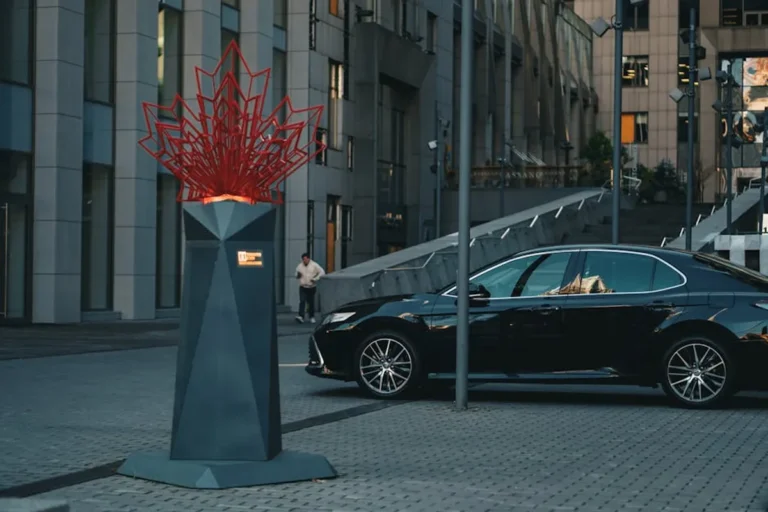
Consider how architectural projects can be designed with cultural programming in mind, such as public squares that host markets and concerts, or museums that are themselves architectural marvels. Conversely, cultural initiatives often leverage specific architectural settings, like open-air performances in historic amphitheaters or art installations within industrial heritage sites. This synergy ensures that the physical environment supports and enhances the cultural experience, and vice versa.
Pro Tip: Authenticity is paramount. City branding efforts must genuinely reflect the existing architectural and cultural fabric, rather than imposing a manufactured image. Inauthentic branding risks alienating residents and failing to resonate with external audiences, leading to wasted resources and a damaged reputation. Focus on amplifying what truly makes the city unique, rather than trying to imitate others.
Key elements for successful integration include:
- Stakeholder Collaboration: Engaging architects, urban planners, artists, cultural institutions, and local communities from the outset ensures a unified vision.
- Long-Term Vision: Developing a master plan that considers both architectural development and cultural programming over decades, not just years.
- Digital Amplification: Using high-quality visuals of iconic architecture and engaging content about cultural events to create a compelling online presence.
- Resident Engagement: Fostering local pride and participation in cultural events and appreciating the city's architectural heritage.
Measuring the Impact of City Branding Initiatives
For agencies and marketers, quantifying the return on investment for city branding efforts is crucial. While some benefits are qualitative, many can be tracked through specific metrics:
- Tourism Metrics: Increased visitor numbers, longer stays, higher tourism revenue, and growth in specific market segments (e.g., cultural tourists).
- Economic Development: Growth in foreign direct investment (FDI), new business registrations, job creation, and commercial property occupancy rates.
- Resident Satisfaction: Surveys measuring local pride, quality of life perception, and retention rates.
- Media & Digital Presence: Increases in positive media mentions, higher search volume for city-specific keywords, growth in social media engagement, and improved sentiment analysis for online conversations about the city.
- Brand Perception: Regular surveys tracking changes in how the city is perceived by target audiences globally.
Practical Branding Framework for Urban Centers
Effective city branding through architecture and culture requires a structured approach. Begin by conducting a thorough audit of existing architectural assets and cultural offerings. Identify what makes the city truly distinct, focusing on unique historical narratives, artistic movements, culinary specialties, or natural landscapes that interact with the built environment. Craft a compelling, concise brand narrative that encapsulates these unique selling propositions. Engage local stakeholders—residents, businesses, cultural organizations, and government—to foster a sense of shared ownership and ensure authenticity. Finally, develop a multi-channel communication strategy that leverages digital platforms, traditional media, and public diplomacy to consistently project the city's brand, ensuring that both its physical and cultural dimensions are prominently featured. Understanding this process can help in developing a stronger sense of place and identity, showing how cities tell their unique stories through tangible and intangible heritage.
Frequently Asked Questions
How long does it take to establish a strong city brand?
Establishing a strong city brand is a long-term endeavor, typically requiring years, if not decades, of consistent effort. It involves deep-seated changes and perceptions, which evolve slowly through sustained investment in infrastructure, cultural programming, and strategic communication.
What is the biggest challenge in city branding through architecture and culture?
The primary challenge often lies in achieving consensus among diverse stakeholders—government bodies, developers, cultural institutions, and local communities—who may have conflicting visions for the city's identity and development. Ensuring authenticity and avoiding superficial branding are also significant hurdles.
Can small towns effectively use city branding principles?
Absolutely. Small towns can leverage their unique architectural heritage, local traditions, natural surroundings, and community events to create a distinct brand. The principles remain the same: identify unique assets, craft a compelling narrative, and communicate it consistently to attract visitors, residents, and investment on a scale appropriate to their size.
How important is digital presence in city branding?
Digital presence is critically important. While architecture and culture provide the tangible foundation, digital platforms are essential for amplifying the brand globally, engaging with audiences, and providing information. A strong online presence, including engaging websites, active social media, and high-quality visual content, translates physical and cultural assets into accessible, shareable brand experiences.