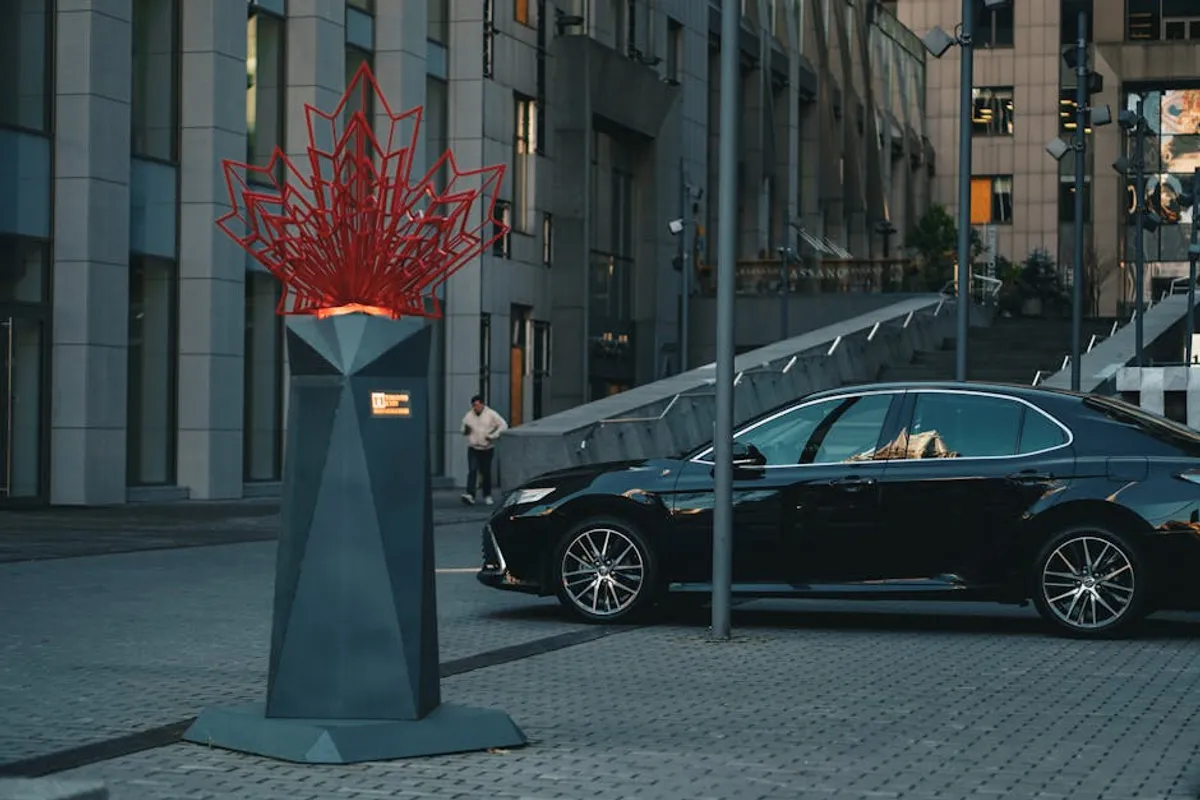
The strategic integration of public art into urban planning extends beyond mere aesthetics; it acts as a catalyst for economic development, community cohesion, and distinctive placemaking. For urban planners, developers, and city marketers, selecting the right type of public art involves balancing artistic vision with practical considerations like durability, maintenance, community impact, and long-term value. Effective public art transforms overlooked spaces into destinations, fosters local identity, and enhances the pedestrian experience, directly contributing to a city's vibrancy and commercial appeal.
Strategic Considerations for Urban Public Art
Before committing to a specific public art installation, several factors require thorough evaluation to ensure the project aligns with urban development goals and delivers measurable impact. These considerations guide the selection process, from initial concept to long-term sustainability.
- Community Engagement: Successful public art resonates with its local audience. Involve residents, local businesses, and community groups in the conceptualization phase to foster ownership and ensure the art reflects local identity and aspirations. This mitigates potential public resistance and enhances the art's social capital.
- Site Specificity: The chosen art piece must complement its environment. Consider the site's scale, architecture, historical context, pedestrian flow, and existing natural elements. Art that feels disconnected from its surroundings often fails to integrate effectively into the urban fabric.
- Durability and Maintenance: Urban environments expose art to weather, vandalism, and general wear. Select materials and designs known for their resilience. Establish a clear maintenance plan and budget for cleaning, repairs, and potential security measures to preserve the art's integrity and appearance over time.
- Funding Mechanisms: Explore diverse funding sources, including municipal budgets, grants from arts organizations, private donations, corporate sponsorships, and "percent for art" programs often tied to new development projects. A diversified funding strategy can ensure project feasibility and long-term sustainability.
- Safety and Accessibility: Ensure the art installation does not create physical hazards or impede accessibility for all community members, including those with disabilities. Consider lighting, clear pathways, and secure installation methods.
- Long-Term Impact: Evaluate the potential for the art to become an iconic landmark, attract tourism, stimulate local commerce, or serve as an educational tool. Public art should contribute positively to the city's brand and quality of life for years to come.
1. Large-Scale Murals
Large-scale murals transform blank walls into vibrant canvases, often depicting local history, cultural narratives, or abstract designs. Their visual impact is immediate and significant, capable of revitalizing entire streetscapes or neighborhoods. Murals offer a cost-effective way to introduce color and storytelling into urban environments, making them accessible to a broad audience without requiring physical interaction.
Best For: Revitalizing neglected building facades, creating neighborhood identity, telling local stories, and providing a backdrop for public events.
Pros:
- High visual impact and immediate aesthetic improvement.
- Relatively low cost per square foot compared to sculptural installations.
- Can be created by local artists, fostering community pride and local talent.
- Acts as a deterrent to graffiti when well-maintained.
Cons:
- Vulnerable to weather degradation and vandalism, requiring periodic maintenance and touch-ups.
- Requires a suitable, highly visible wall surface and property owner permission.
- Can be controversial if themes are not universally accepted by the community.
Verdict: Murals are a powerful tool for rapid urban transformation and community expression, offering significant visual return on investment, provided there is a clear maintenance strategy and community buy-in.
2. Interactive Sculptures
Interactive sculptures invite direct engagement from the public, transforming passive viewing into an active experience. These can range from kinetic pieces that respond to touch or wind, to sound installations, or structures designed for climbing and play. Their appeal lies in their ability to create memorable, shareable moments and foster a sense of playfulness in urban settings.
Best For: Public parks, plazas, children's play areas, and high-traffic pedestrian zones where encouraging dwell time and social interaction is a priority.
Pros:
- Encourages physical engagement and social interaction among visitors.
- Generates high social media interest and photo opportunities, increasing visibility.
- Can serve as a focal point for community gathering and events.
- Adds a dynamic, playful element to static urban landscapes.
Cons:
- Higher risk of wear and tear due to constant physical interaction, necessitating durable materials and frequent maintenance.
- Potential safety concerns if not designed and installed with robust safety standards.
- Can be expensive to fabricate and install due to complex mechanics or materials.
Verdict: Interactive sculptures are excellent for creating engaging, memorable public spaces that draw people in, but require significant investment in design, materials, safety, and ongoing maintenance.
3. Light Installations
Light installations utilize illumination as an artistic medium, transforming urban spaces after dusk. These can include dynamic projections onto buildings, sculptural forms made of light, or integrated lighting schemes that highlight architectural features. They extend the utility and appeal of public spaces into the evening hours, enhancing safety and creating a distinct night-time identity.
Best For: Activating public squares, bridges, building facades, and pedestrian pathways during evening hours, especially in colder climates or areas with limited daylight.
Pros:
- Extends the usability and attractiveness of public spaces into the night.
- Can be temporary or permanent, offering flexibility for events or long-term placemaking.
- Enhances safety and security in public areas by increasing visibility.
- Offers dynamic visual effects that can change color, pattern, or intensity.
Cons:
- Requires significant electrical infrastructure and ongoing energy consumption.
- Potential for light pollution if not carefully designed and directed.
- Maintenance involves specialized electrical and programming expertise.
- Can be expensive to install and operate, depending on complexity.
Verdict: Light installations are highly effective for evening placemaking and creating striking visual identities, but demand careful planning for energy efficiency, light pollution mitigation, and specialized maintenance.
4. Integrated Pavement Art and Street Furniture
This category encompasses artistic elements directly incorporated into urban infrastructure, such as decorative paving patterns, sculptural benches, artistic bicycle racks, or custom-designed bollards. These pieces merge functionality with aesthetic appeal, subtly enhancing the pedestrian experience without dominating the landscape. They contribute to a cohesive urban design language and can reinforce a neighborhood's brand.
Best For: Pedestrian zones, public squares, streetscapes, and transit stops where functional elements can be elevated through artistic design.
Pros:
- Enhances the aesthetic appeal of everyday urban elements.
- Provides functional benefits (seating, bike storage, wayfinding) while being artistic.
- Integrates seamlessly into the urban fabric, avoiding visual clutter.
- Can be highly durable, using robust materials like concrete, metal, and stone.
Cons:
- Impact can be subtle, requiring close observation to appreciate fully.
- Custom fabrication can be more expensive than off-the-shelf alternatives.
- Requires coordination with urban planning and infrastructure departments.
- Repair or replacement of integrated elements can be complex.
Verdict: Integrated pavement art and street furniture offer a sophisticated approach to placemaking, blending utility with artistry to create a more refined and intentional urban environment, albeit with higher initial design and fabrication costs.
5. Temporary and Pop-Up Installations
Temporary installations are designed for a limited duration, often associated with festivals, events, or seasonal themes. These can range from inflatable sculptures, fabric installations, or ephemeral light art to performance-based pieces. Their transient nature allows for experimentation, rapid response to urban issues, and keeps public spaces dynamic and surprising.
Best For: Activating underutilized spaces, testing new artistic concepts, complementing urban festivals or events, and generating buzz.
Pros:
- Allows for artistic experimentation and a rapid refresh of public spaces.
- Lower long-term commitment and maintenance burden compared to permanent installations.
- Generates excitement and draws visitors for specific periods.
- Can be used to gauge public reaction to art before considering permanent options.
Cons:
- Limited long-term impact on placemaking or urban identity.
- Requires frequent installation and de-installation logistics and costs.
- May not justify significant investment if impact is short-lived.
- Vulnerable to weather and vandalism during its short lifespan.
Verdict: Temporary installations are ideal for dynamic urban programming and testing innovative ideas, offering flexibility and novelty, but their short lifespan limits their permanent transformative power.
6. Water Features with Artistic Elements
Artistic water features combine the sensory appeal of moving water with sculptural design. These can include fountains, cascades, or reflective pools that incorporate sculptural elements, lighting, or integrated sound. They offer a soothing presence, contribute to microclimate cooling, and provide a focal point for relaxation and contemplation in bustling urban areas.
Best For: Public squares, parks, pedestrian malls, and building courtyards where sensory experience and a calming atmosphere are desired.
Pros:
- Creates a calming auditory and visual experience.
- Contributes to microclimate cooling in hot urban environments.
- Serves as a natural gathering point and landmark.
- Can integrate lighting for dramatic night-time effects.
Cons:
- Requires significant infrastructure for plumbing, filtration, and water treatment.
- High ongoing maintenance costs for cleaning, water quality, and pump operation.
- Potential for water waste if not designed with conservation in mind.
- Can be costly to install and operate, particularly larger, complex systems.
Verdict: Artistic water features enhance sensory appeal and placemaking, but require substantial investment in infrastructure, water conservation measures, and consistent maintenance to remain pristine and functional.
7. Digital Projections and Augmented Reality (AR) Art
Digital projections use high-powered projectors to display dynamic imagery, animations, or interactive content onto building facades, bridges, or other urban surfaces. AR art utilizes smartphone or tablet apps to overlay digital artwork onto real-world views. Both offer dynamic, evolving experiences that can be changed frequently, providing endless artistic possibilities without physical alteration to the site.
Best For: Historic buildings, large blank walls, event backdrops, and areas where physical installations are restricted, allowing for dynamic storytelling and interactive experiences.
Pros:
- Highly dynamic and adaptable content that can change seasonally or for events.
- Minimizes physical impact on existing architecture.
- Offers interactive potential, especially with AR, engaging a tech-savvy audience.
- Can be a powerful tool for storytelling and cultural interpretation.
Cons:
- Requires specialized technical equipment (projectors, servers, software) and expertise.
- Vulnerable to weather (rain, fog) for projections, and reliant on user technology for AR.
- May suffer from light pollution, reducing visibility of projections.
- AR adoption depends on user willingness to download and use an app.
Verdict: Digital and AR art provide cutting-edge, flexible artistic experiences, ideal for dynamic urban programming, but they require significant technological investment and ongoing content management.
8. Green Walls and Vertical Gardens with Art Integration
Integrating living plants into vertical structures, often combined with sculptural elements or patterns, creates green walls. When designed with artistic intent, these installations offer ecological benefits like improved air quality and reduced urban heat island effect, alongside aesthetic appeal. They merge biophilic design principles with public art, promoting sustainability and natural beauty in dense urban areas.
Best For: Building facades, public transport hubs, and urban canyons where green space is limited, seeking to combine ecological benefits with artistic expression.
Pros:
- Improves air quality and contributes to urban cooling.
- Enhances biodiversity and provides habitat for urban wildlife.
- Softens hard urban edges with natural elements.
- Offers a unique, living artistic statement that evolves over time.
Cons:
- High initial installation cost for irrigation systems and plant materials.
- Requires consistent, specialized maintenance (watering, pruning, plant replacement).
- Can be susceptible to plant disease or pests.
- Long-term structural integrity needs careful consideration.
Verdict: Green walls with artistic integration offer a sustainable and visually striking form of public art, delivering ecological benefits, but they demand significant ongoing horticultural maintenance and initial investment.
9. Soundscapes and Audio Installations
Soundscapes involve creating curated auditory experiences in public spaces, using speakers to broadcast ambient sounds, music, spoken word, or abstract compositions. These installations can transform the perception of a space, evoke emotions, or provide historical context, appealing to an often-overlooked sensory dimension in urban design. They offer a non-visual artistic experience that can be particularly inclusive.
Best For: Transition zones, quiet parks, historical sites, and areas where visual clutter is high, providing an immersive, non-visual artistic layer.
Pros:
- Creates an immersive and multi-sensory experience.
- Can be highly site-specific, responding to the history or function of a place.
- Accessible to visually impaired individuals, promoting inclusivity.
- Can be changed or updated with new content easily.
Cons:
- Potential for noise pollution if not carefully managed regarding volume and direction.
- Requires reliable audio equipment and power sources.
- May not be universally appreciated and could be perceived as intrusive by some.
- Maintenance involves technical audio expertise.
Verdict: Soundscapes offer a unique, immersive, and inclusive form of public art, but require careful acoustic design and management to avoid noise complaints and ensure positive community reception.
10. Site-Specific Land Art
Land art, or Earth art, involves creating art directly in the landscape, often using natural materials found on-site. In urban contexts, this translates to designs that integrate with parks, undeveloped lots, or waterfronts, shaping the terrain, planting schemes, or using natural elements like stone and timber. These installations emphasize environmental consciousness and the relationship between humans and nature.
Best For: Large urban parks, waterfronts, reclaimed industrial sites, and ecological corridors where art can enhance natural features and promote environmental awareness.
Pros:
- Promotes environmental awareness and appreciation for natural landscapes.
- Can integrate sustainable practices and local materials.
- Often creates a sense of tranquility and connection to nature.
- Can be highly durable if using natural, robust materials.
Cons:
- Requires significant land area and often involves landscape architecture expertise.
- Impact can be subtle and may not appeal to all audiences.
- Maintenance involves horticultural and landscaping skills.
- Can be susceptible to natural degradation or changes in the environment.
Verdict: Site-specific land art offers a profound connection to nature and promotes environmental themes, best suited for larger green spaces where its subtle beauty and ecological integration can be fully appreciated.
11. Storytelling and Historical Markers (Artistic)
This approach transforms informational plaques, historical markers, or wayfinding signs into artistic installations. By integrating sculptural elements, unique materials, or interactive digital components, these pieces convey historical narratives, cultural significance, or local lore in an engaging and memorable way. They serve an educational purpose while contributing to the aesthetic richness of a place.
Best For: Historical districts, cultural heritage sites, educational trails, and areas requiring clear wayfinding or interpretive information.
Pros:
- Educates the public about local history, culture, or significant events.
- Enhances placemaking by reinforcing local identity and narrative.
- Can be highly durable, using weather-resistant materials.
- Offers opportunities for community input on historical content.
Cons:
- Requires thorough historical research and content accuracy.
- Design must balance artistic merit with legibility and clarity of information.
- Can be overlooked if not visually compelling or strategically placed.
- Maintenance involves cleaning and ensuring informational accuracy.
Verdict: Artistic storytelling markers are effective for enriching urban spaces with historical context and cultural depth, provided the design effectively balances informational clarity with artistic appeal.
12. Kinetic Sculptures
Kinetic sculptures incorporate movement, often powered by wind, water, or mechanical means, to create dynamic visual experiences. Their ever-changing forms and patterns capture attention and add an element of unpredictability and wonder to urban settings. The interplay of light, shadow, and movement makes these pieces captivating and often iconic.
Best For: Open plazas, waterfronts, transportation hubs, and locations exposed to natural elements like wind, where dynamic visual interest is desired.
Pros:
- Creates continuous visual interest and a sense of dynamism.
- Can become iconic landmarks due to their unique movement.
- Often interacts with natural forces like wind, demonstrating environmental principles.
- Generates curiosity and encourages contemplation.
Cons:
- Requires complex engineering and robust materials to withstand constant movement and weather.
- High maintenance costs for mechanical components and lubrication.
- Potential for noise generation from moving parts if not carefully designed.
- Can be very expensive to fabricate and install.
Verdict: Kinetic sculptures offer striking, dynamic visual appeal and landmark potential, but necessitate significant investment in engineering, durable materials, and ongoing specialized maintenance.
Measuring Impact and Selecting the Right Approach
The success of public art is not solely determined by aesthetic appeal but also by its tangible and intangible contributions to the urban environment. To measure impact, consider metrics such as increased foot traffic in the area, observed dwell time around the art, social media engagement (hashtags, photo shares), local business revenue changes, and community feedback through surveys or public forums. Qualitative assessments of enhanced community pride, improved sense of safety, and strengthened local identity are also crucial. Selecting the right public art approach involves a holistic view of the site's needs, community aspirations, available budget, and long-term maintenance capabilities. Prioritize art that aligns with the city's broader development goals, whether that's fostering tourism, revitalizing a commercial district, or celebrating local heritage. A well-chosen piece of public art acts as a strategic investment, yielding returns in civic engagement, economic vitality, and cultural enrichment.
Frequently Asked Questions
How is public art typically funded?
Public art is funded through a variety of mechanisms, including municipal budgets, "percent for art" programs (where a percentage of capital improvement project budgets is allocated to art), state and national arts grants, private donations, corporate sponsorships, and public-private partnerships. Successful projects often leverage multiple funding sources.
What is the process for commissioning public art?
The commissioning process typically involves establishing a project vision and budget, forming an art committee, issuing a call for artists (open or by invitation), reviewing proposals, selecting an artist, contract negotiation, fabrication, and installation. Community engagement is often integrated throughout these stages.
How can public art address community concerns like gentrification?
Public art can address concerns like gentrification by prioritizing local artists, reflecting diverse community narratives, creating accessible and inclusive spaces, and involving long-term residents in the decision-making process. Art that celebrates existing culture rather than imposing new aesthetics can foster belonging and preserve community identity.
What are the long-term maintenance considerations for public art?
Long-term maintenance includes regular cleaning, protection against vandalism (e.g., anti-graffiti coatings), structural inspections, repairs due to weather or wear, and sometimes technological updates for digital or interactive pieces. A dedicated maintenance budget and plan are critical for preserving the art's integrity and public value.
How can public art be made more resilient to vandalism?
Resilience to vandalism can be achieved through material selection (e.g., durable metals, treated stone), design choices (e.g., smooth surfaces, lack of accessible small parts), anti-graffiti coatings, strategic placement in visible areas, good lighting, and community ownership. Rapid response to any damage also discourages repeat incidents.