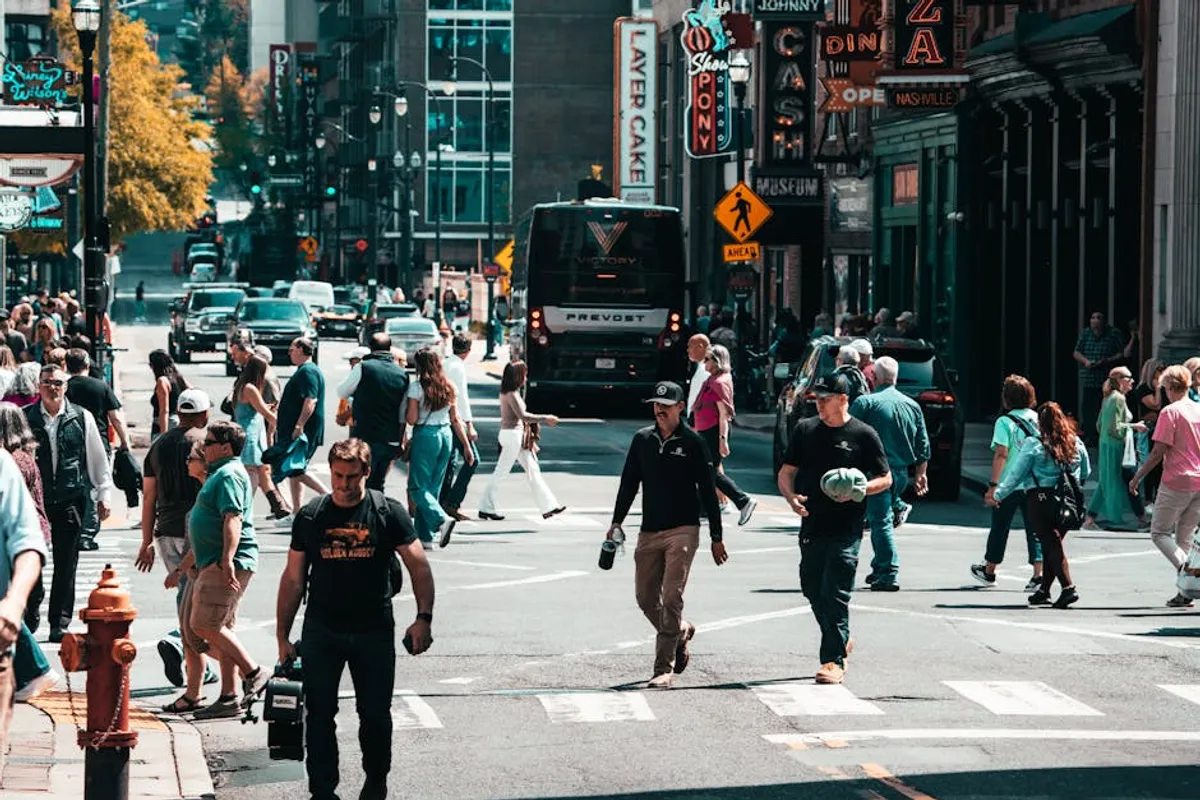
The immediate environment surrounding a local business significantly dictates its commercial viability and long-term success. This environment, known as the streetscape, extends beyond mere aesthetics; it encompasses the physical and experiential qualities that shape consumer behavior, influence property values, and ultimately determine a business's capacity to attract and retain customers. Understanding how streetscapes function as commercial assets allows businesses, urban planners, and community stakeholders to make informed decisions that directly impact revenue, brand perception, and community economic health.
Defining the Commercial Streetscape
A commercial streetscape is the collective visual and functional character of a street as perceived by pedestrians and motorists, specifically within a commercial district. It’s not just the buildings, but everything that frames and animates the public space in front of them.
Physical Elements and Their Role
These are the tangible components that contribute to the street's character and functionality:
- Sidewalks and Paving: Width, material, condition, and accessibility directly influence walkability and comfort. Smooth, wide, well-maintained sidewalks encourage longer strolls and easier access.
- Lighting: Adequate, aesthetically pleasing lighting enhances safety perceptions, extends business hours into the evening, and highlights storefronts. Poor lighting creates dimly lit, uninviting spaces.
- Landscaping and Greenery: Trees, planters, and gardens provide shade, improve air quality, reduce noise, and add visual appeal, making an area more pleasant for shoppers to linger.
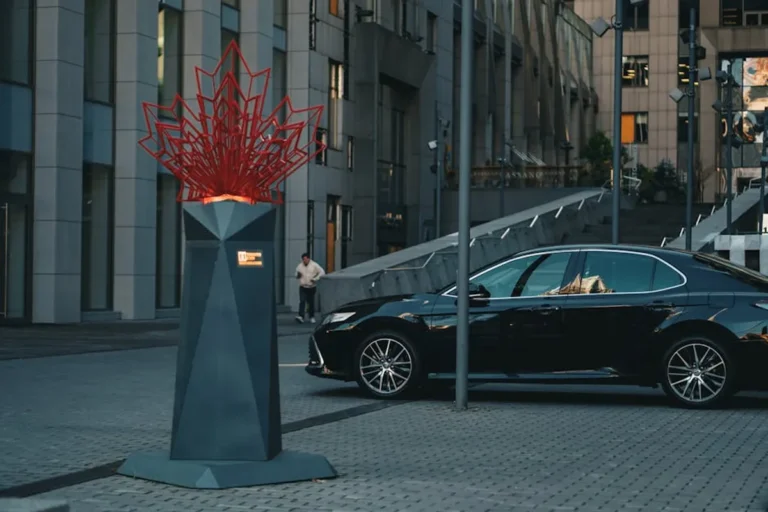
- Public Art and Furniture: Benches, bike racks, public art installations, and waste receptacles contribute to the street's identity and offer amenities that encourage stopping and social interaction.
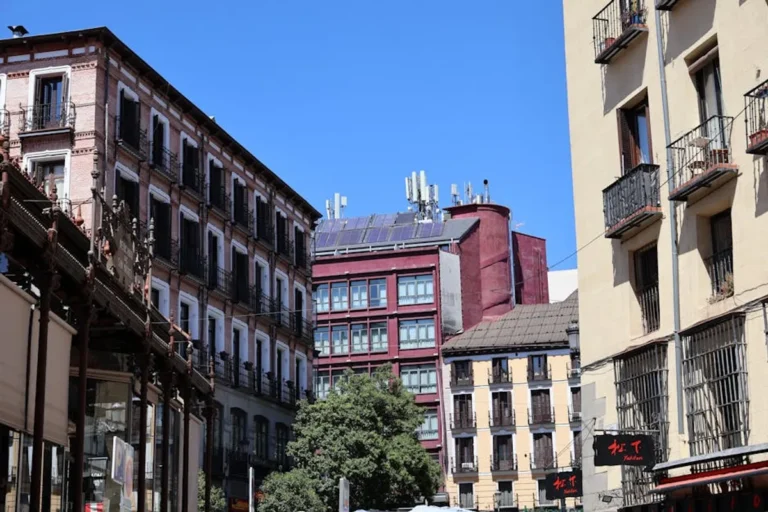
- Building Facades and Storefronts: The design, maintenance, and visual appeal of building exteriors, including signage, window displays, and entryways, are critical for attracting attention and conveying brand identity.
- Traffic Management and Parking: How vehicles move through and park in an area impacts accessibility and the overall pedestrian experience. Excessive traffic or inadequate parking can deter visitors.
Experiential Elements and Their Impact
Beyond the physical, the streetscape creates an experience that influences perception and behavior:
Walkability: A highly walkable street, characterized by short blocks, varied storefronts, and minimal vehicular dominance, encourages exploration and increases exposure to multiple businesses. This extends dwell time and potential purchases.
Safety Perception: Well-lit areas, visible activity, and clear sightlines contribute to a sense of security, which is paramount for attracting visitors, especially during evening hours. Perceived safety directly correlates with willingness to visit and spend time.
Aesthetic Appeal: A visually cohesive and attractive streetscape creates a positive impression, elevating the perceived quality of the businesses within it. This can translate into higher willingness to pay and increased repeat visits.
Community Feel: Elements that foster social interaction, such as public seating areas or spaces for events, can cultivate a sense of community. This encourages local residents to support businesses that contribute to their neighborhood's vibrancy.
Direct Commercial Impacts of Streetscape Design
The design and maintenance of a streetscape have measurable effects on the economic performance of local businesses.
Foot Traffic Generation and Dwell Time
An appealing streetscape acts as a magnet, drawing more pedestrians. Features like inviting storefronts, comfortable seating, and engaging public art encourage people to slow down, explore, and spend more time in the area. Increased dwell time directly correlates with a higher likelihood of entering stores, browsing, and making purchases. Conversely, a neglected streetscape with cracked pavements, poor lighting, or a lack of amenities can deter foot traffic, reducing opportunities for impulse buys and new customer acquisition.
Brand Perception and Value Proposition
The immediate surroundings of a business significantly influence how customers perceive its brand and offerings. A business located on a well-maintained, aesthetically pleasing street benefits from an halo effect, where the quality of the environment elevates the perceived quality and value of the business itself. This can justify premium pricing and foster customer loyalty. A business on a dilapidated street, however, may struggle to convey a high-quality image, even if its products or services are exceptional, leading to a perception of lower value.
Tenant Attraction and Retention
For commercial property owners and real estate developers, a superior streetscape is a critical asset. Attractive streetscapes command higher rents and reduce vacancy rates because businesses recognize the inherent advantage of operating in a desirable environment. This, in turn, creates a more vibrant commercial district, attracting further investment and a diverse range of tenants. The streetscape becomes a competitive differentiator in the commercial real estate market.
Property Values and Investment
Improvements to streetscapes are not just operational expenses; they are investments that yield significant returns. Enhanced walkability, aesthetic improvements, and increased safety contribute to higher property values for both commercial and residential properties in the vicinity. This creates a positive feedback loop: higher property values attract more investment, leading to further improvements and sustained economic growth for local businesses.
Pro Tip: Neglecting streetscape maintenance, even for seemingly minor issues like litter or broken paving, sends a clear signal of neglect to potential customers. This can erode trust and deter visits more quickly than many businesses realize, impacting sales and customer retention.
Strategies for Optimizing Streetscapes for Business Growth
Improving streetscapes requires a multi-faceted approach involving various stakeholders.
Collaborative Planning and Design
Effective streetscape improvements rarely happen in isolation. They require collaboration between local businesses, property owners, municipal governments, urban planners, and community organizations. Joint initiatives can pool resources, ensure designs meet diverse needs, and create a shared vision for the commercial district. This includes agreeing on design guidelines for facades, signage, and public amenities to ensure coherence and a strong district identity.
Maintenance and Upkeep
Initial investment in streetscape improvements is only the first step. Consistent, proactive maintenance is crucial for long-term impact. This includes regular cleaning, landscaping care, timely repairs of infrastructure, and addressing vandalism. A dedicated maintenance plan, often involving a business improvement district (BID) or similar entity, ensures the streetscape remains an asset rather than becoming a liability.
Leveraging Public Spaces for Events
Well-designed streetscapes offer flexible public spaces that can be activated for community events, markets, festivals, and outdoor dining. These activities draw people to the area, increase foot traffic, and provide additional revenue opportunities for local businesses. Activating these spaces transforms them from mere thoroughfares into destinations, fostering a dynamic and engaging commercial environment.
Actionable Takeaways for Local Businesses
Local businesses can proactively engage with their streetscape to enhance their commercial prospects:
- Assess Your Immediate Surroundings: Regularly evaluate the condition of sidewalks, lighting, and landscaping directly outside your storefront. Identify areas for improvement that are within your control or that you can advocate for.
- Optimize Your Storefront: Ensure your facade, signage, and window displays are clean, well-maintained, and inviting. These are your direct contributions to the streetscape's appeal.
- Advocate for Improvements: Engage with local business associations, city councils, and urban planning departments. Voice your concerns and support for broader streetscape enhancement projects.
- Collaborate with Neighbors: Work with adjacent businesses to maintain shared spaces, coordinate landscaping efforts, or plan joint events. A unified approach amplifies impact.
- Prioritize Accessibility: Ensure your entrance and the immediate public space are accessible to all, including those with mobility challenges. This expands your potential customer base.
Frequently Asked Questions
What is the most cost-effective streetscape improvement for a small business?
Focus on your immediate storefront: ensure clear, attractive signage, well-maintained window displays, and a clean, accessible entrance. These elements directly influence first impressions and are often within a business's direct control and budget.
How do streetscapes impact online businesses with physical locations?
For online businesses with a physical presence (e.g., showrooms, pick-up points), an appealing streetscape enhances their brand's physical identity, reinforces credibility, and encourages local customers to visit, blending the online and offline experience positively.
Can streetscape improvements increase property values?
Yes, well-executed streetscape improvements, such as enhanced walkability, green infrastructure, and public amenities, consistently contribute to higher commercial and residential property values in the surrounding area by increasing desirability and investment potential.
What role do local governments play in streetscape development?
Local governments are crucial for funding, planning, and regulating streetscape projects. They establish design guidelines, manage public infrastructure, and often facilitate collaboration between businesses and community groups to ensure cohesive and impactful development.