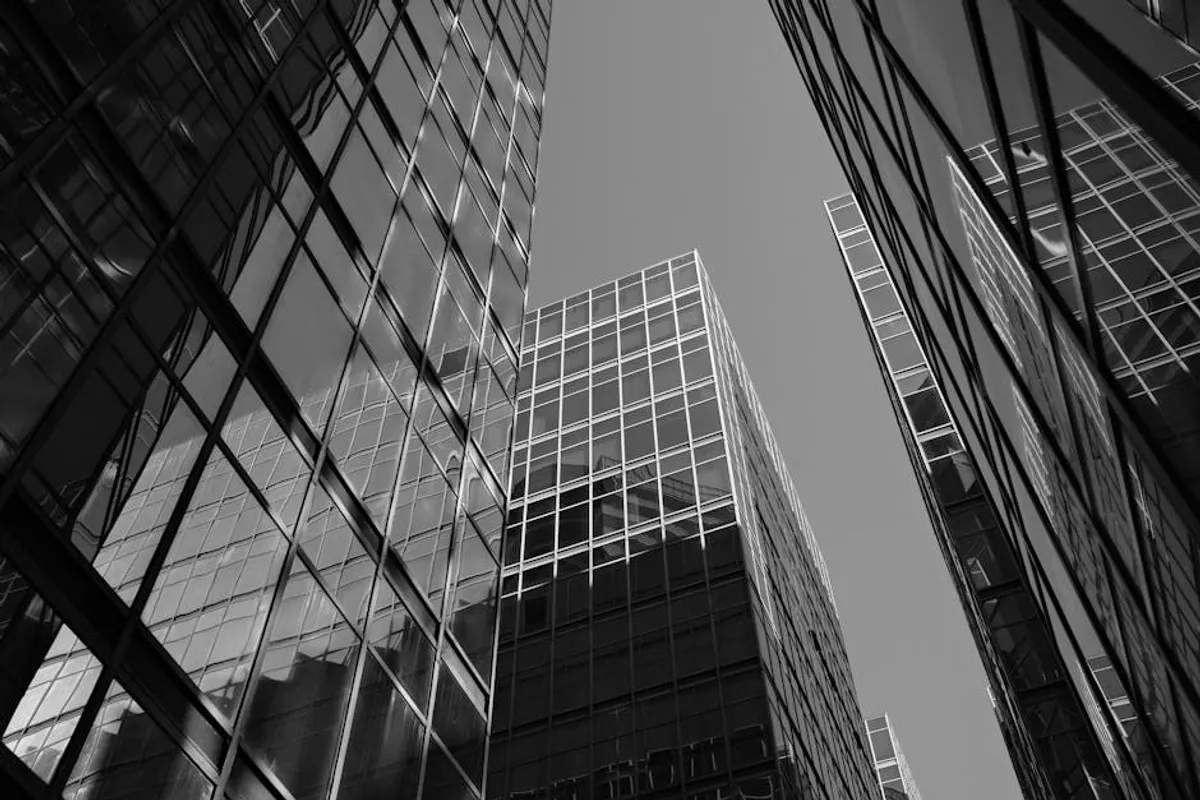
Cities are not merely collections of buildings and infrastructure; they are complex, layered narratives, told through the interplay of architecture and culture. Every street, facade, and public square contributes to a city's ongoing story, reflecting its history, values, aspirations, and conflicts. Understanding this relationship is crucial for urban planners, developers, cultural institutions, and anyone invested in a city's identity and future. It moves beyond aesthetics to reveal the deep commercial and social value embedded in the built environment, shaping how residents live, how visitors experience, and how businesses thrive.
Architectural Forms as Historical Records
The physical structures within a city serve as tangible archives, each style and material choice marking a specific period, technological advancement, or dominant ideology. From ancient ruins to contemporary skyscrapers, architecture provides a timeline of human endeavor and cultural shifts.
- Ancient and Classical Structures: Roman aqueducts, Greek temples, or medieval castles speak to foundational societal organization, power structures, and early engineering prowess. Their enduring presence often anchors a city's historical identity, drawing tourism and shaping local pride.
- Industrial Revolution Architecture: Factories, warehouses, and worker housing from the 19th century illustrate periods of rapid economic growth, technological innovation, and significant social change. Many of these structures, when adaptively reused, now house museums, lofts, or commercial spaces, weaving their industrial past into a modern narrative of regeneration.
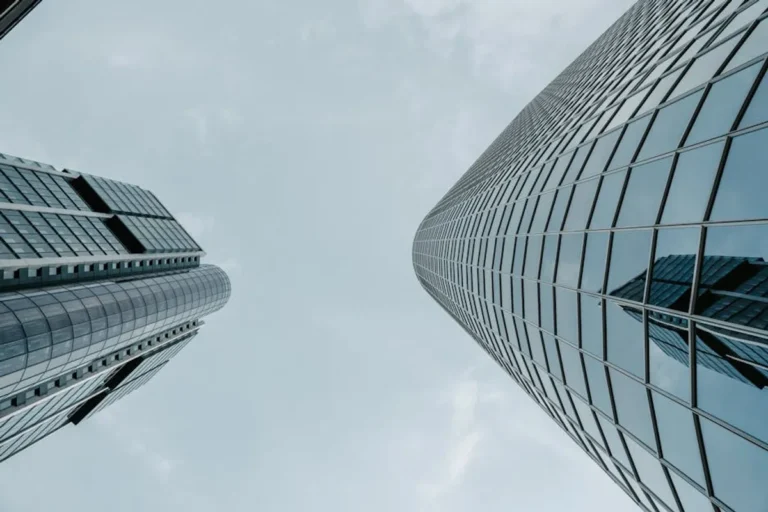
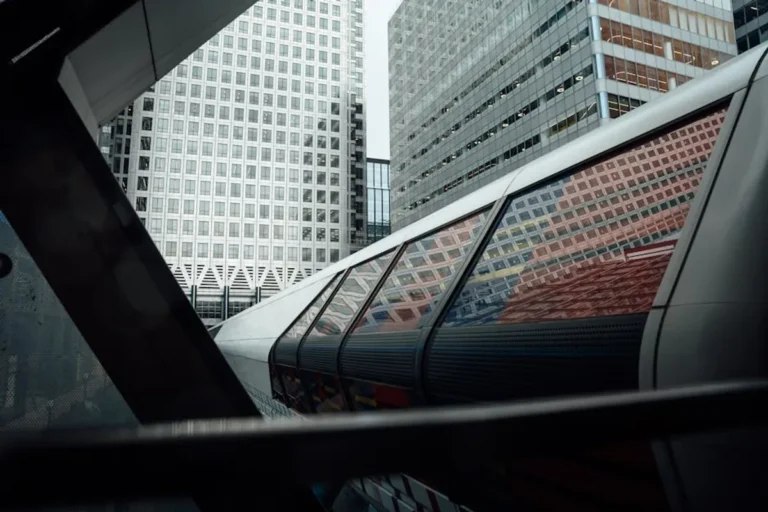
- Modernist and Post-Modernist Designs: The clean lines of modernist buildings often signal a break from tradition, reflecting ideals of progress, functionality, and a forward-looking vision. Post-modern architecture, with its often playful and referential forms, critiques and reinterprets these narratives, adding layers of irony and historical commentary. These styles often define the corporate and civic identities of major global cities.
- Vernacular Architecture: Beyond grand statements, everyday buildings constructed from local materials, adapted to climate and cultural practices, tell stories of community, resourcefulness, and local identity. This style informs a city's unique sense of place, differentiating it from globalized aesthetics.
Public Spaces: Stages for Cultural Expression
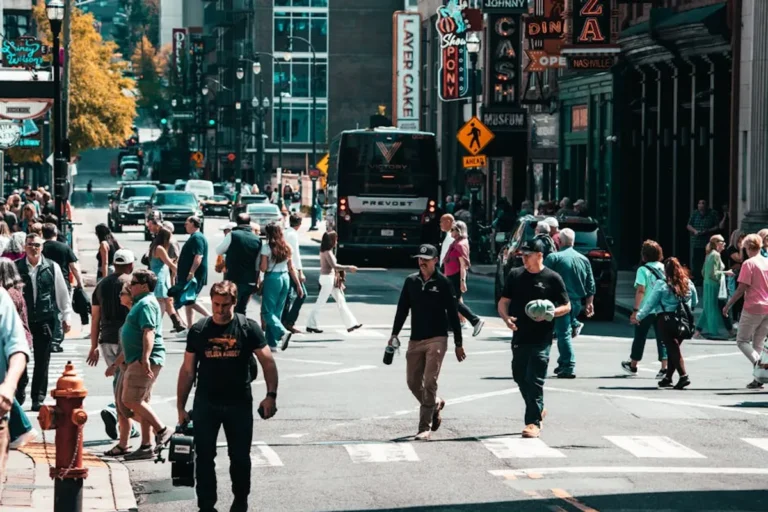
Beyond individual buildings, the spaces between them—parks, plazas, markets, and streets—are vital in shaping a city's cultural narrative. These are the arenas where collective memory is forged, rituals are performed, and daily life unfolds, often reflecting the social and political dynamics of the populace.
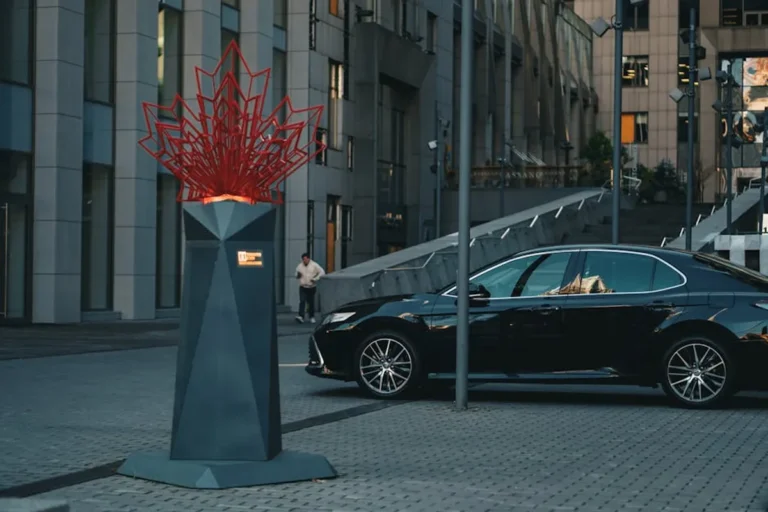
Impact of Design: A grand central plaza might signify state power and public assembly, while a network of narrow, winding alleyways suggests organic growth, close-knit communities, and historical layers. The presence of public art, memorials, and even street furniture contributes to the cultural meaning of these spaces, inviting interaction and contemplation.
For instance, a city square that has historically hosted protests, celebrations, and markets carries a different cultural weight than a newly designed park intended solely for recreation. The former is imbued with a collective memory that influences contemporary use and perception, making it a crucial element in the city's ongoing story.
Pro Tip: When assessing a city's cultural narrative through its architecture, look beyond the iconic landmarks. Pay close attention to the patterns of residential districts, the presence of community gardens, and the evolution of commercial streets. These less-celebrated elements often provide a more authentic and detailed account of a city's social fabric and daily cultural practices than monumental structures alone.
Preservation and Evolution: Weaving Past into Present
Cities are dynamic entities, constantly evolving. The tension between preserving historical architecture and accommodating new development is a central theme in urban storytelling. Successful cities manage to integrate their past into their present, allowing new chapters to be written without erasing previous ones.
Adaptive Reuse: Converting old industrial buildings into residential lofts, cultural centers, or retail spaces demonstrates how a city can honor its heritage while meeting contemporary needs. This practice not only retains architectural character but also imbues new functions with historical context, enriching the urban experience. For example, former railway stations transformed into vibrant market halls tell a story of transport innovation giving way to culinary and social hubs.
Heritage Districts: Designating specific areas as heritage zones ensures that architectural styles, street patterns, and cultural practices are maintained, providing a tangible link to previous eras. These districts often become significant tourist attractions and sources of local identity, but also present challenges in balancing preservation with modern infrastructure and accessibility requirements.
Urban Planning: Directing the Narrative
Intentional urban planning acts as a powerful editor for a city's story. Master plans, zoning regulations, and infrastructure projects consciously shape the physical environment, which in turn influences social interactions, economic development, and cultural expression.
Shaping Identity: A city planned with grand boulevards and monumental public buildings might project an image of order and power, while one developed with a focus on pedestrian zones and mixed-use developments fosters a sense of community and accessibility. The choices made by planners today become the historical markers of tomorrow, dictating how future generations will interpret the city's values.
Cultural Impact: The allocation of land for cultural institutions, public art, or green spaces directly impacts the opportunities for cultural engagement. A city that prioritizes accessible cultural venues through its planning reflects a commitment to artistic expression and community well-being, enhancing its narrative as a vibrant cultural center.
Decoding Urban Narratives: Practical Approaches
To effectively 'read' a city's story through its architecture and culture, one must look beyond superficial appearances. This involves a multi-faceted approach:
- Observe Architectural Styles and Eras: Identify dominant styles (e.g., Art Deco, Brutalism, Victorian) and note their prevalence in different districts. This reveals periods of growth, economic prosperity, or specific design movements.
- Analyze Public Spaces: Consider how plazas, parks, and waterfronts are used. Do they facilitate gathering, commerce, or solitude? Are they well-maintained, and do they feature public art or memorials that speak to local history?
- Examine Street Patterns: Grid systems often indicate planned development, while organic, winding streets suggest older, less structured growth. This can hint at a city's age and its historical approach to expansion.
- Look for Cultural Markers: Street names, monuments, plaques, and even local businesses often carry historical or cultural significance, pointing to key figures, events, or industries that shaped the city.
- Consider Materiality: The predominant building materials (e.g., brick, stone, glass, concrete) often reflect local resources, technological capabilities, and aesthetic preferences of different eras, contributing to the city's unique texture.
Crafting a City's Enduring Story
The relationship between architecture and culture is symbiotic: architecture provides the stage, and culture performs the play. For cities to tell compelling, authentic, and enduring stories, there must be a conscious effort to understand and integrate these elements. This means respecting historical layers while embracing innovation, fostering public spaces that encourage interaction, and planning for a future that reflects collective aspirations. A city's narrative is never static; it is a living document, constantly being written by its inhabitants, shaped by its structures, and interpreted by all who encounter it.
Frequently Asked Questions
How does modern architecture contribute to a city's story?
Modern architecture introduces new chapters, reflecting contemporary values like sustainability, technological advancement, and global connectivity. It can challenge existing narratives, spark dialogue, and redefine a city's forward-looking identity, often symbolizing economic dynamism and innovation.
Can a city intentionally change its narrative through architecture?
Yes, through strategic urban planning, significant architectural projects, and cultural initiatives, cities can deliberately shift their public image and internal narrative. Examples include large-scale regeneration projects or the development of iconic cultural institutions designed to attract global attention and redefine identity.
What role do intangible cultural elements play alongside built structures?
Intangible cultural elements like local traditions, festivals, culinary practices, and community events are inseparable from the built environment. They animate the spaces, giving meaning to buildings and public areas, and are crucial for a holistic understanding of a city's living story.
How do different cultures approach urban storytelling through design?
Approaches vary widely. Some cultures emphasize spiritual connections through sacred architecture and ceremonial spaces, while others prioritize communal living, defensive structures, or commercial efficiency. These cultural priorities are deeply embedded in the design principles and urban fabric of cities worldwide.