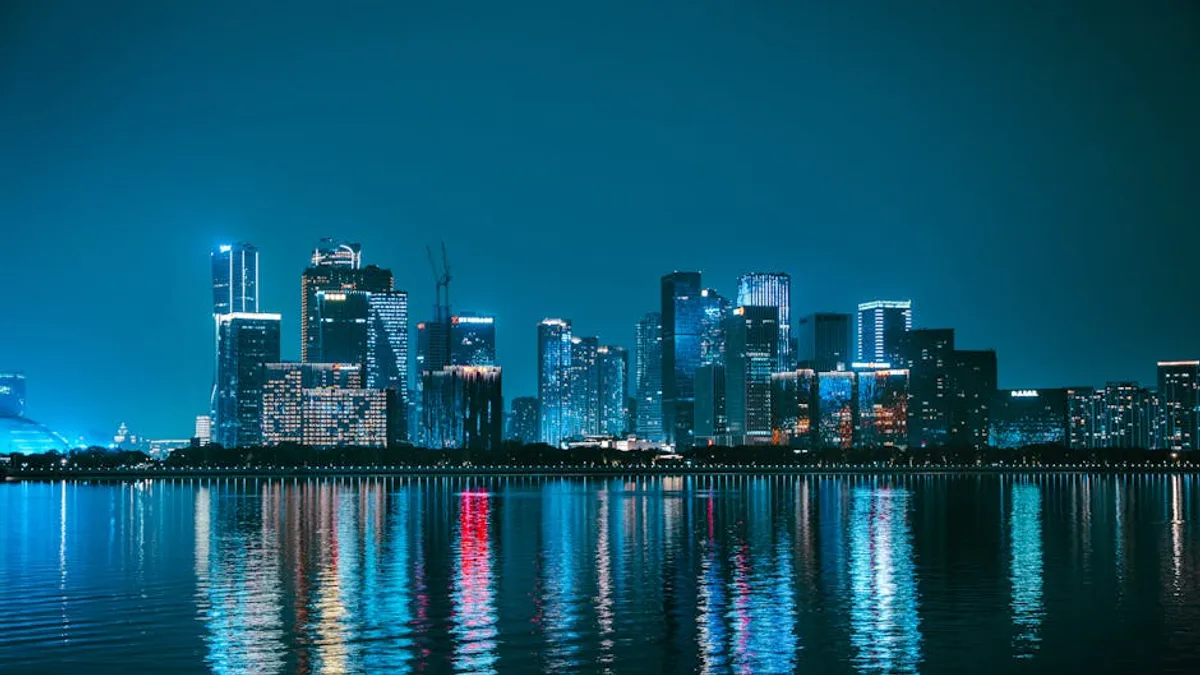
Defining what makes a city beautiful and livable extends beyond subjective preference; it involves a complex interplay of design principles, functional infrastructure, and social dynamics that collectively attract residents, businesses, and investment. For urban planners, developers, policymakers, and marketers, understanding these core attributes is not merely an academic exercise but a critical determinant of a city's long-term economic viability and social prosperity. A city that successfully integrates beauty with livability fosters a strong sense of place, drives property values, stimulates local commerce, and enhances public health and well-being, directly impacting its competitive standing and appeal to a global talent pool.
Integrated Urban Design and Aesthetics
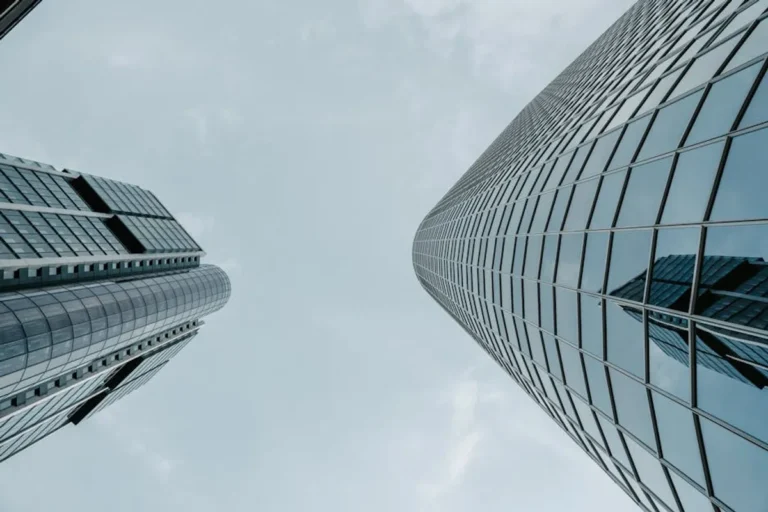
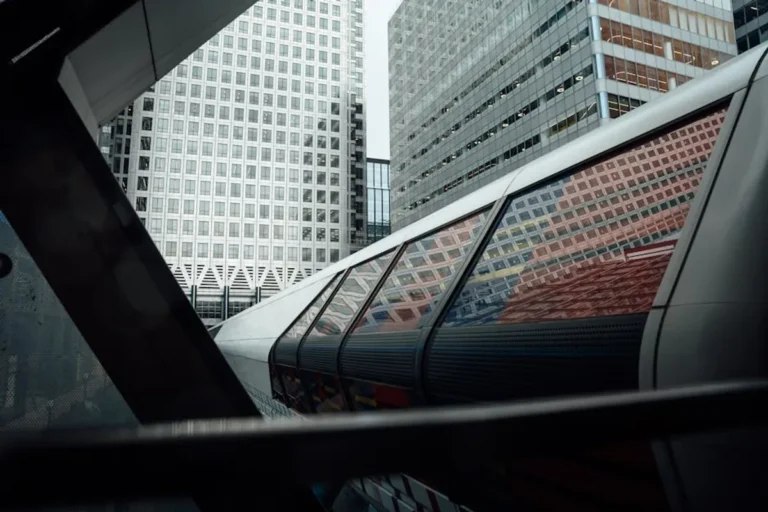
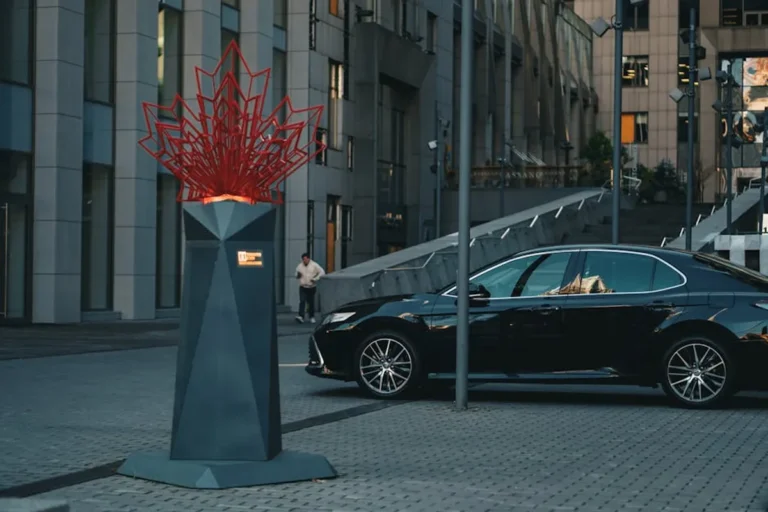
The visual appeal of a city is often its first impression, yet true beauty in urban design transcends superficial ornamentation. It involves a cohesive architectural language, thoughtful streetscapes, and the preservation of historical character alongside modern development. This integration ensures that new constructions complement, rather than detract from, existing urban fabric. Elements like consistent building setbacks, varied facade textures, and human-scaled structures contribute to a visually engaging environment that encourages pedestrian activity and a sense of discovery. The strategic use of public art and well-maintained heritage sites further anchors a city’s identity, creating unique visual markers that resonate with both residents and visitors.
Impact on Livability: Visually appealing environments reduce stress, encourage outdoor activity, and contribute to a stronger sense of civic pride. For commercial entities, this translates into higher foot traffic in well-designed districts, increased demand for real estate in aesthetically pleasing neighborhoods, and a more attractive backdrop for tourism and events.
Accessible Public Spaces and Green Infrastructure
A city’s livability is fundamentally tied to the quality and accessibility of its public spaces. Parks, plazas, waterfronts, and community gardens serve as critical social condensers, providing venues for recreation, relaxation, and communal gathering. Effective public spaces are not just green areas but intentionally designed environments that offer diverse amenities, ensure safety through natural surveillance, and are easily reachable by various modes of transport. Green infrastructure, including urban forests, bioswales, and green roofs, extends beyond aesthetics, playing a crucial role in mitigating urban heat island effects, improving air quality, and managing stormwater runoff, thereby enhancing environmental resilience.
- Connectivity: Public spaces should be integrated into pedestrian and cycling networks, not isolated islands.
- Programming: Active programming and events can transform underutilized spaces into vibrant community hubs.
- Maintenance: Consistent upkeep signals civic investment and encourages respectful use by the public.
- Diversity: A range of park types, from active recreational fields to quiet contemplative gardens, serves varied community needs.
Efficient Connectivity and Mobility
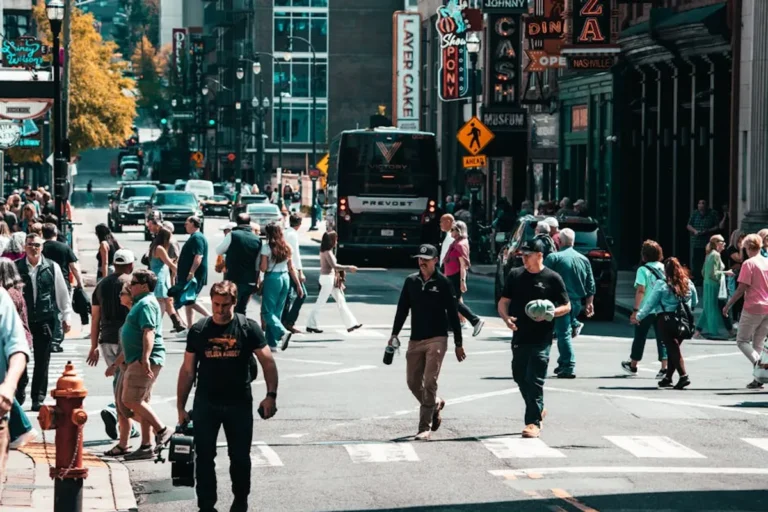
A livable city enables its inhabitants to move efficiently and affordably. This requires a robust, multimodal transportation network that prioritizes walking, cycling, and public transit over private vehicle use. Integrated public transport systems—comprising buses, trains, trams, and ferries—reduce traffic congestion, lower carbon emissions, and expand access to employment, education, and services for all residents, regardless of income or car ownership. Pedestrian-friendly street designs, including wide sidewalks, safe crossings, and reduced speed limits, encourage active mobility and foster healthier lifestyles. The seamless integration of these modes creates a cohesive urban experience, reducing commute times and increasing opportunities for social interaction.
Pro Tip: When evaluating a city's livability for investment or relocation, scrutinize the "last mile" connectivity. A robust public transport network is diminished if the final leg to homes or workplaces is unsafe, inconvenient, or disconnected from pedestrian infrastructure. This often dictates actual usage and perceived convenience more than mainline routes.
Economic Vibrancy and Opportunity
A beautiful city can attract visitors, but a livable one retains them by offering sustainable economic opportunities. This includes a diverse job market, support for local businesses, and access to affordable goods and services. A strong local economy fosters innovation, attracts talent, and provides residents with the means to thrive. Cities that support a mix of industries, from technology and creative arts to manufacturing and service sectors, are more resilient to economic downturns. Furthermore, the presence of local markets, independent shops, and diverse dining options contributes to a city’s unique character and provides essential services that enhance daily life.
Commercial Implications: A vibrant economy translates to higher consumer spending, lower commercial vacancy rates, and a more dynamic business ecosystem. Cities actively promoting entrepreneurship and offering incentives for small businesses often see greater community engagement and unique cultural offerings.
Social Cohesion and Safety
Beyond physical attributes, the true measure of a city's livability lies in its social fabric. A city is livable when its residents feel safe, included, and connected. This involves low crime rates, effective public safety services, and community programs that foster interaction among diverse groups. Equitable access to quality education, healthcare, and cultural institutions ensures that all residents can participate fully in civic life and reach their potential. Inclusive urban planning considers the needs of all demographics, from children and the elderly to individuals with disabilities, ensuring that public spaces and services are universally accessible and welcoming.
Key Indicators:
- Perceived and actual safety statistics.
- Availability of community centers and civic engagement opportunities.
- Diversity and accessibility of cultural institutions (libraries, museums, theaters).
- Support systems for vulnerable populations.
Environmental Sustainability and Resilience
Modern livability is inextricably linked to environmental responsibility. Cities deemed beautiful and livable are increasingly those that prioritize sustainable practices, from renewable energy adoption and waste reduction initiatives to robust conservation efforts. This includes protecting natural habitats within and around the urban area, implementing strict pollution controls, and planning for climate change impacts such as extreme weather events. Sustainable cities not only reduce their ecological footprint but also create healthier living environments, with cleaner air and water, and greater access to nature, contributing directly to residents' long-term well-being.
Cultivating Enduring Urban Appeal
The pursuit of a beautiful and livable city is an ongoing process, requiring continuous investment and adaptive planning. It demands a holistic approach that balances aesthetic aspirations with functional necessities, economic drivers with social equity, and immediate needs with long-term environmental stewardship. For stakeholders involved in urban development and promotion, understanding these interconnected factors is paramount. Cities that successfully cultivate these attributes not only enhance the daily lives of their inhabitants but also secure their position as attractive destinations for talent, investment, and tourism, ensuring sustained growth and prosperity.
Frequently Asked Questions
How do cities measure livability?
Livability is often measured through indices that combine objective data (e.g., crime rates, public transport coverage, green space per capita) with subjective resident surveys on factors like perceived safety, community satisfaction, and access to amenities.
Can a city be beautiful but not livable, or vice versa?
Yes, a city can possess stunning architecture but lack essential services, affordable housing, or efficient transport, making it less livable. Conversely, a highly functional city might lack distinctive aesthetics or engaging public spaces, impacting its overall appeal.
What role do residents play in making a city beautiful and livable?
Residents are crucial; their engagement in community initiatives, responsible use of public spaces, participation in local governance, and support for local businesses directly contribute to a city's social fabric and economic vitality. Their feedback also informs planning decisions.
Is there a universal definition of a beautiful and livable city?
While core principles like safety, accessibility, and environmental quality are universal, the specific expression of beauty and livability can vary culturally and geographically. What is considered ideal in one context might differ in another, emphasizing the importance of local context.