The evolution of urban spaces is not merely an aesthetic pursuit; it is a strategic imperative that directly influences economic vitality, public health, and environmental resilience. Modern urban design trends are fundamentally reshaping how cities function, how residents interact with their environments, and how businesses thrive. Understanding these shifts is crucial for developers, municipal planners, investors, and marketers aiming to position assets and initiatives effectively within a dynamic urban landscape. The following outlines key trends that are defining the next generation of urban living and commerce, providing a framework for strategic engagement.
Prioritizing Walkability and Active Mobility
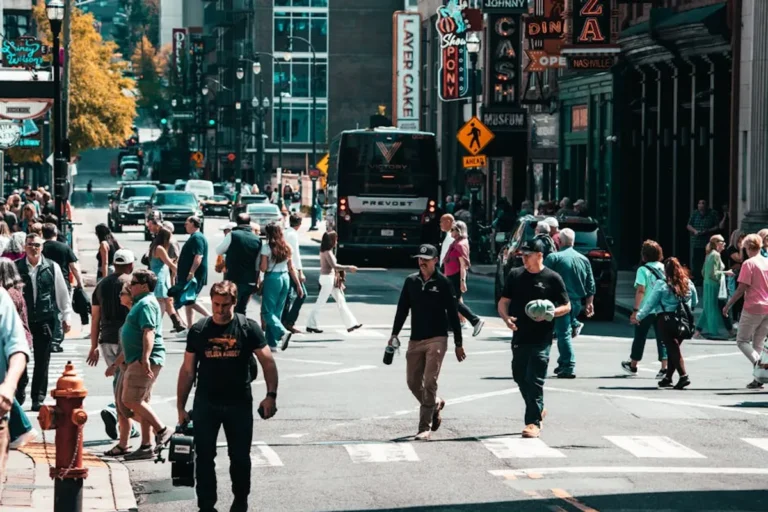
A significant pivot in urban planning involves reducing reliance on private vehicles and enhancing infrastructure for pedestrians, cyclists, and micro-mobility solutions. This trend is driven by a desire to mitigate traffic congestion, improve air quality, and promote healthier lifestyles. From a commercial standpoint, increased walkability directly correlates with higher foot traffic for ground-floor retail, improved public safety perceptions, and a greater sense of community. Urban areas designed for active mobility often see a rise in property values and attract businesses seeking vibrant, accessible locations.
- Dedicated Cycling Lanes: Separated infrastructure for bicycles reduces accidents and encourages commuting by bike, easing parking pressures.
- Pedestrian Zones: Car-free areas create inviting public spaces, boosting retail and hospitality sectors by extending dwell time.
- Integrated Public Transit: Seamless connections between walking paths, bike routes, and public transport hubs reduce first-mile/last-mile challenges.
Fostering Vibrant Public Realms
Beyond mere circulation, contemporary urban design emphasizes the creation of high-quality public spaces that serve as social anchors and economic catalysts. Parks, plazas, waterfronts, and community gardens are being designed not just for recreation, but as flexible venues for events, markets, and spontaneous social interaction. These spaces are critical for fostering social cohesion and can significantly enhance a city's attractiveness to residents and tourists alike. For commercial entities, proximity to well-maintained, active public realms can command premium rents and attract a more diverse customer base.
Integrating Smart City Technologies
The convergence of physical infrastructure with digital intelligence is transforming urban management and citizen services. Smart city technologies are moving beyond theoretical concepts to practical applications that enhance efficiency, safety, and sustainability. This integration offers substantial commercial opportunities in infrastructure development, data analytics, and service provision, while improving the operational efficacy of urban environments.
Data-Driven Planning and Management
Cities are increasingly leveraging big data analytics, IoT sensors, and AI to inform planning decisions and manage resources more effectively. Real-time data on traffic flow, energy consumption, waste generation, and public safety allows for dynamic adjustments to infrastructure and services. This data-driven approach optimizes resource allocation, reduces operational costs for municipalities, and provides valuable insights for businesses looking to understand urban patterns and consumer behavior with greater precision.
Smart Infrastructure and Connectivity
From intelligent street lighting that adjusts brightness based on activity to connected waste management systems that optimize collection routes, smart infrastructure is becoming standard. High-speed broadband and 5G networks are foundational, enabling seamless communication between devices and citizens. For businesses, this means enhanced connectivity, opportunities for developing new tech-enabled services, and more efficient supply chain logistics within the urban fabric.
Pro Tip: When evaluating urban development projects, prioritize those that demonstrate clear integration with smart city frameworks. Projects that incorporate future-proofed digital infrastructure, such as fiber-optic backbone or sensor-ready street furniture, will offer greater long-term value and adaptability for commercial tenants and residents alike. The upfront investment in smart capabilities reduces future retrofit costs and enhances market appeal.
Embracing Green and Resilient Infrastructure
Climate change and environmental concerns are driving a fundamental shift towards sustainable and resilient urban design. This involves not only mitigating environmental impact but also adapting cities to withstand future climate shocks. Investing in green and resilient infrastructure offers significant long-term commercial benefits, including reduced operational costs, increased property values, and enhanced urban livability.
Nature-Based Solutions and Biophilic Design
Integrating natural elements into urban environments, such as green roofs, vertical gardens, urban forests, and permeable surfaces, offers multiple benefits. These solutions improve air quality, manage stormwater runoff, reduce urban heat island effects, and enhance biodiversity. Biophilic design, which connects building occupants with nature, has been shown to improve well-being and productivity, making properties with these features highly desirable for residential and commercial tenants. This trend directly contributes to higher asset valuation and market differentiation.
Climate-Adaptive Urban Planning
Cities are proactively designing for climate resilience, implementing strategies to manage extreme weather events. This includes elevating critical infrastructure, developing flood-resistant building codes, and creating urban cooling centers. For developers and investors, understanding and incorporating these adaptive measures is crucial for long-term asset protection and ensuring insurability in increasingly volatile climates. Projects that integrate robust climate resilience strategies are perceived as lower risk and more sustainable investments.
Adaptive Reuse and Regenerative Urbanism
The focus on sustainability extends to how cities utilize existing resources. Adaptive reuse, the process of repurposing old buildings for new functions, minimizes demolition waste and preserves historical character. Regenerative urbanism takes this further, aiming for urban systems that not only reduce harm but actively restore and enhance ecological and social systems.
Repurposing Existing Structures for New Life
Transforming industrial warehouses into mixed-use developments, old schools into residential lofts, or historic storefronts into modern retail spaces is a powerful trend. This approach reduces construction waste, preserves architectural heritage, and often results in unique, character-rich spaces that attract creative industries and discerning residents. Commercially, adaptive reuse can be more cost-effective than new construction in certain markets and can revitalize entire districts, creating new commercial hubs.
Cultivating Circular Urban Systems
Regenerative urbanism seeks to create closed-loop systems within cities, minimizing waste and maximizing resource efficiency. This involves designing for material reuse, local food production, decentralized energy generation, and water harvesting. While complex, these systems offer long-term operational savings, reduce environmental footprints, and position cities and businesses as leaders in sustainable practices, appealing to a growing segment of environmentally conscious consumers and investors.
Shaping Future Urban Investments
The urban design trends outlined above represent more than aesthetic preferences; they are foundational shifts impacting the commercial viability and long-term sustainability of urban developments. For those involved in real estate, urban planning, or municipal governance, understanding and actively integrating these principles is critical. Prioritizing people-centric design, leveraging smart technologies, investing in green and resilient infrastructure, and embracing adaptive reuse are not just ethical choices but strategic imperatives that drive value, attract talent, and foster enduring urban prosperity. Future-proofed urban investments will be those that align with these evolving paradigms, creating cities that are not only functional but also vibrant, equitable, and resilient.
Frequently Asked Questions About Urban Design Trends
What is people-centric urban design?
People-centric urban design prioritizes the needs and experiences of residents and visitors by creating spaces that are walkable, accessible, green, and foster social interaction, often reducing reliance on private vehicles.
How do smart city technologies benefit businesses?
Smart city technologies offer businesses enhanced connectivity, real-time data for market insights, optimized logistics, and opportunities to develop new tech-enabled services, contributing to operational efficiency and innovation.
Why is green infrastructure important for urban development?
Green infrastructure, such as urban forests and green roofs, improves air quality, manages stormwater, reduces urban heat, enhances biodiversity, and increases property values, making cities more resilient and attractive.
What is adaptive reuse in urban design?
Adaptive reuse involves repurposing existing buildings for new functions, preserving architectural heritage, reducing construction waste, and often creating unique, character-rich spaces that revitalize urban districts and offer cost-effective development.