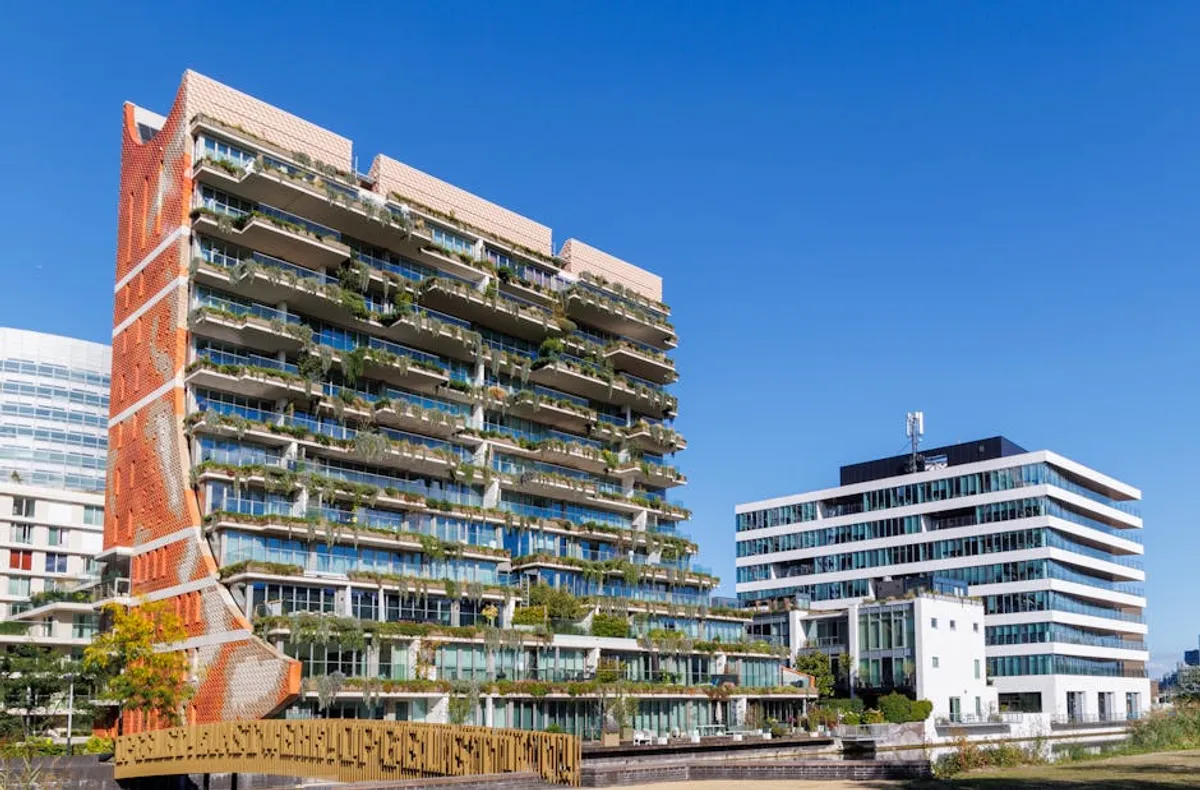
The architectural landscape is rapidly shifting, driven by urgent environmental imperatives and evolving stakeholder demands for sustainable practices. For professionals in design, construction, and real estate, understanding the trajectory of sustainable architecture is not merely about compliance; it's about competitive advantage and long-term project viability. The trends emerging for 2026 signal a move beyond isolated green features toward integrated, regenerative systems that prioritize resource efficiency, occupant well-being, and ecological impact. This forward-looking perspective informs investment decisions, material specifications, and design methodologies, directly influencing project profitability and market appeal.
Advanced Material Innovation and Circularity
The core of sustainable architecture in 2026 will increasingly rely on materials that minimize environmental footprint throughout their lifecycle. This extends beyond recycled content to encompass materials designed for disassembly, reusability, and biodegradability. Expect a surge in bio-based composites, such as mycelium panels and engineered timber, offering superior insulation properties and reduced embodied carbon compared to traditional concrete and steel. Furthermore, the commercial viability of these materials is improving, with scaled production reducing costs and increasing availability for large-scale projects. The emphasis shifts to supply chain transparency, requiring architects and developers to verify material origins and manufacturing processes for genuine sustainability claims.
Key Focus Areas:
- Bio-based Composites: Materials derived from renewable biological resources, like hempcrete, bamboo, or mycelium, offering lower embodied energy and carbon sequestration potential.
- Recycled and Upcycled Content: Increased demand for building components made from post-consumer or post-industrial waste, such as recycled plastics in insulation or aggregates.
- Local Sourcing and Supply Chain Optimization: Prioritizing materials from regional suppliers to reduce transportation emissions and support local economies, often requiring advanced logistics planning.
- Materials Passports: Digital documentation detailing material composition, origin, and end-of-life options, facilitating future reuse and circularity.
Net-Zero and Regenerative Design Principles
Achieving net-zero energy consumption is becoming a baseline expectation rather than an aspiration. By 2026, projects will increasingly target net-positive outcomes, where buildings generate more energy than they consume, manage more water than they use, and actively improve local biodiversity. This involves sophisticated integration of renewable energy sources, advanced passive design strategies, and on-site resource management. The commercial incentive here is clear: reduced operational costs over the building's lifespan, higher asset value, and enhanced marketability to environmentally conscious tenants and buyers. Developers are finding that initial investments in regenerative design yield significant returns through energy savings and robust ESG (Environmental, Social, and Governance) performance metrics.
Integrated Renewable Energy Systems
Beyond rooftop solar panels, 2026 will see a broader adoption of integrated building-envelope photovoltaics (BIPV), vertical axis wind turbines, and geothermal heating and cooling systems. These are not merely add-ons but integral components of the building's aesthetic and functional design, contributing directly to energy independence and resilience. The efficiency gains from these systems, coupled with declining technology costs, make them increasingly attractive for commercial and residential developments seeking to minimize utility expenses.
Pro Tip: When evaluating advanced energy systems, assess not just the upfront capital expenditure, but the total cost of ownership over a 20-30 year lifecycle. Factor in predicted energy price volatility and potential carbon taxes, which can significantly alter the financial viability of conventional energy reliance versus integrated renewables.
Water Resilience and Management
Water scarcity and quality are global concerns driving innovation in building design. Future trends emphasize comprehensive water management, including rainwater harvesting, greywater recycling, and blackwater treatment for non-potable uses. Smart irrigation systems and native landscaping further reduce demand. For commercial properties, this translates into lower water bills, reduced strain on municipal infrastructure, and enhanced operational resilience during periods of drought or water restrictions.
Smart Building Technology for Performance Optimization
The integration of smart building technologies is fundamental to achieving and maintaining sustainable performance. By 2026, AI-driven building management systems (BMS) will be standard, continuously monitoring and optimizing energy consumption, indoor air quality, lighting, and thermal comfort. These systems learn occupant patterns and external conditions, dynamically adjusting building operations to maximize efficiency without compromising user experience. The data collected by these systems provides granular insights into performance, allowing for proactive maintenance and targeted interventions that extend asset life and reduce operational waste. This data-driven approach is critical for demonstrating verifiable sustainability metrics to investors and regulatory bodies.
Benefits for Stakeholders:
- Developers: Enhanced property value, reduced operational expenditures, and strong sustainability credentials for financing.
- Occupants: Improved indoor environmental quality, personalized comfort, and lower utility costs.
- Facility Managers: Predictive maintenance, real-time performance monitoring, and streamlined operations.
- Investors: Mitigated climate-related risks, improved ESG ratings, and long-term asset resilience.
Biophilic Design and Human-Centric Spaces
Beyond environmental impact, sustainable architecture increasingly focuses on the well-being of building occupants. Biophilic design, which integrates natural elements and processes into the built environment, will be a dominant trend in 2026. This includes natural light optimization, living walls, indoor gardens, natural ventilation, and views of nature. Research consistently demonstrates that biophilic elements enhance productivity, reduce stress, and improve cognitive function, making these spaces highly desirable for commercial tenants and residents alike. The commercial value proposition lies in attracting and retaining talent, improving employee health outcomes, and creating premium, differentiated spaces in competitive markets.
Circular Economy Principles in Urban Planning
At a broader scale, sustainable architecture trends for 2026 will increasingly influence urban planning towards circular economy models. This involves designing buildings and urban infrastructure with their entire lifecycle in mind, from material sourcing and construction to adaptability, deconstruction, and material recovery. Mixed-use developments, adaptive reuse of existing structures, and modular construction techniques will gain prominence, reducing waste and extending the utility of built assets. This systemic approach to urban development offers long-term economic benefits by minimizing resource depletion and waste management costs, while fostering resilient, adaptable communities.
Navigating Future Architectural Investments
For investors, developers, and architects, integrating these sustainable trends is no longer optional but essential for future-proofing portfolios and projects. The regulatory landscape is tightening, consumer preferences are shifting towards eco-conscious choices, and the financial sector is increasingly prioritizing green investments. By embracing advanced materials, regenerative design, smart technologies, and human-centric spaces, stakeholders can unlock significant long-term value, mitigate risks, and contribute positively to both environmental and societal well-being. Proactive adoption of these trends ensures not just compliance, but leadership in a rapidly evolving market.
Frequently Asked Questions
What is the primary driver for sustainable architecture trends in 2026?
The primary drivers are global climate change imperatives, increasingly stringent environmental regulations, and growing market demand from consumers and investors for buildings with lower environmental footprints and higher occupant well-being standards.
How do these trends impact construction costs?
While some sustainable materials and technologies may have higher upfront costs, the long-term operational savings from reduced energy and water consumption, coupled with higher asset values and market appeal, often result in a lower total cost of ownership and a stronger return on investment.
What role does technology play in future sustainable architecture?
Technology, particularly AI-driven building management systems and advanced monitoring, is crucial for optimizing building performance, ensuring resource efficiency, and providing data-driven insights to maintain and verify sustainability metrics throughout a building's lifecycle.
How can existing buildings adapt to these sustainable architecture trends?
Existing buildings can adapt through retrofitting with energy-efficient systems, upgrading to sustainable materials, implementing smart building technologies, and incorporating biophilic design elements. Adaptive reuse is also a key strategy, extending the life of structures rather than demolishing and rebuilding.