
Understanding the intricate relationship between public spaces and community life offers a strategic framework for marketers, urban planners, and content creators. These shared environments, both physical and digital, are not merely backdrops for activity; they actively sculpt local identity, influence consumer behavior, and dictate the flow of information. For any entity aiming to connect with a local audience, whether a business, a civic organization, or a publisher, recognizing the dynamics of public spaces provides critical insights for targeted engagement and impactful content development.
Defining Public Spaces and Their Evolving Role
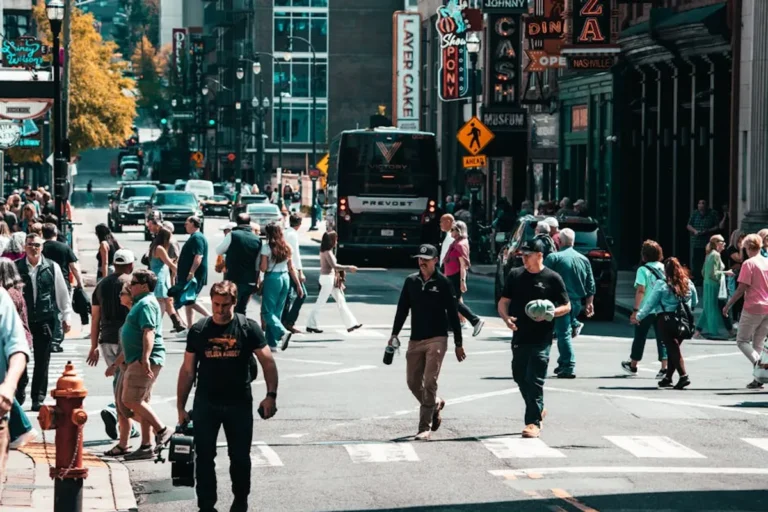
Public spaces traditionally encompass parks, plazas, streets, and community centers—areas physically accessible to all. However, the contemporary definition extends to digital commons: online forums, local social media groups, and community-specific digital platforms. These virtual spaces replicate the connective tissue of physical ones, allowing for shared discourse, event organization, and identity formation. The key differentiator is accessibility and the communal experience they facilitate.
- Physical Public Spaces: Parks, town squares, libraries, public markets, sidewalks, community gardens. These foster face-to-face interaction, spontaneous encounters, and tangible shared experiences.
- Digital Public Spaces: Local Facebook groups, neighborhood apps (e.g., Nextdoor), online forums dedicated to specific geographic areas, community-moderated subreddits. These enable asynchronous communication, broader reach, and often serve as planning hubs for physical gatherings.
Both forms contribute to a community's social capital, facilitating networking, trust-building, and collective action. For marketers, understanding where these interactions occur and what narratives emerge within them is foundational for authentic local engagement.
The Economic Impact of Vibrant Public Spaces
Well-designed and actively utilized public spaces are direct drivers of local economic vitality. They increase foot traffic, support local businesses, and enhance property values. A bustling town square, for instance, draws visitors who then patronize nearby cafes, shops, and restaurants. This direct correlation makes public space development a commercial imperative, not just a civic one.
Impact on Local Businesses:
When public spaces are inviting, they encourage longer stays and repeat visits. This translates to increased exposure for adjacent businesses and a higher likelihood of transactions. Events held in public spaces, from farmers' markets to festivals, create temporary economic ecosystems that benefit a wide array of local vendors and service providers. From an SEO perspective, businesses located near such hubs often benefit from increased local search visibility due to higher review volumes, check-ins, and user-generated content.
Attracting Investment and Talent:
Communities with strong public spaces are often perceived as more desirable places to live and work. This attractiveness can draw new residents, skilled professionals, and businesses, leading to further economic growth. Urban planners and developers recognize that investing in public realm improvements yields significant returns in terms of economic development and quality of life metrics.
Public Spaces as Generators of Community Identity and Content Opportunities
Public spaces are where community narratives are forged. They are settings for shared memories, cultural events, and collective expression. This rich tapestry of activity provides an inexhaustible source of content for publishers, local news outlets, and brands seeking to align with local values.
For Publishers:
Public spaces offer endless story angles—from human interest pieces about park-goers to investigative reports on urban planning decisions. Covering events, local art installations, or community initiatives in these spaces provides relevant, localized content that resonates deeply with an audience. This content often performs well in local search due to its specificity and relevance to geographic queries.
For Brands and Marketers:
Brands can leverage public spaces through sponsorships of local events, public art projects, or community clean-up initiatives. This not only builds brand affinity but also generates authentic user-generated content and positive media mentions. Creating content that highlights the unique character of local public spaces—e.g., "The Best Picnic Spots in [City]" or "A Guide to [Neighborhood]'s Hidden Gems"—can drive traffic and establish a brand as a local authority.
Pro Tip: When developing content or marketing campaigns around public spaces, prioritize authenticity and community benefit over overt commercialization. Audiences are discerning; genuine engagement with local initiatives, rather than mere product placement, fosters stronger trust and long-term brand loyalty. Focus on showcasing how your brand or content enhances the public space or community experience, not just how it uses it for promotion.
Measuring Engagement and Influence
Assessing the impact of public spaces on community life requires a blend of quantitative and qualitative metrics. For digital spaces, this involves tracking engagement rates, sentiment analysis, and user contributions. For physical spaces, it includes foot traffic counts, event attendance, and surveys on perceived safety and satisfaction.
Key Metrics for Evaluation:
- Foot Traffic & Dwell Time: Using sensors or mobile data to understand how many people visit a physical space and how long they stay.
- Event Participation: Tracking attendance at community events, workshops, or gatherings held in public spaces.
- Social Media Mentions & Geotags: Monitoring mentions of specific locations, hashtags, and geotagged posts on social platforms to gauge public sentiment and activity.
- Local Search Visibility: Analyzing how local businesses or community resources associated with public spaces rank for relevant keywords.
- Sentiment Analysis: Reviewing online comments, reviews, and forum discussions to understand community perception and satisfaction.
- Community Surveys: Directly soliciting feedback from residents about their use and perception of public spaces.
These metrics provide actionable data for urban planners to refine designs, for businesses to optimize location-based strategies, and for content creators to identify trending topics and influential narratives within a community.
Strategic Application for Local SEO and Content
For agencies and publishers focused on local markets, understanding public spaces translates directly into actionable SEO and content strategies. It's about optimizing for "place" in the broadest sense.
Local SEO Enhancements:
Ensure local business listings (Google Business Profile, Yelp, etc.) accurately reflect proximity to key public spaces. Encourage customers to leave reviews mentioning these locations. Create location-specific landing pages that highlight nearby public amenities and attractions. For example, a restaurant near a popular park should optimize for "restaurant near [Park Name]".
Content Development:
Develop evergreen content that serves as a resource for those using or interested in local public spaces. This could include guides to park amenities, historical accounts of town squares, or event calendars for community centers. User-generated content campaigns centered around public spaces—e.g., photo contests of local landmarks—can significantly boost engagement and create valuable, authentic content for your platforms.
Cultivating Community Through Strategic Space Management
Public spaces are dynamic entities requiring ongoing management and strategic planning to remain vibrant and relevant. This involves not only physical maintenance but also programming, safety initiatives, and active community engagement. For businesses and publishers, contributing to this cultivation—through sponsorships, volunteer efforts, or by amplifying community voices—reinforces their role as integral parts of the local ecosystem.
Effective management ensures these spaces continue to serve their primary function: fostering connection, supporting local economies, and reflecting the unique identity of the communities they serve. By integrating an understanding of public spaces into marketing and content strategies, professionals can achieve deeper, more meaningful engagement with their target audiences.
Frequently Asked Questions
What defines a public space in the context of community life?
A public space is any area, physical or digital, that is generally accessible to all members of a community and facilitates shared experiences, interactions, and the formation of collective identity. Examples include parks, town squares, and local online forums.
How do public spaces influence local businesses?
Vibrant public spaces increase foot traffic, create opportunities for events and markets, and enhance the overall attractiveness of an area, directly benefiting nearby businesses through increased visibility and customer patronage.
What role does digital presence play in modern public spaces?
Digital platforms serve as virtual extensions of physical public spaces, enabling community members to connect, organize events, share information, and discuss local issues, thereby amplifying the reach and impact of community life.
How can understanding public spaces improve local SEO?
By optimizing local business listings with proximity details, encouraging location-specific reviews, and creating content that highlights nearby public amenities, businesses can significantly improve their visibility in local search results and attract relevant traffic.