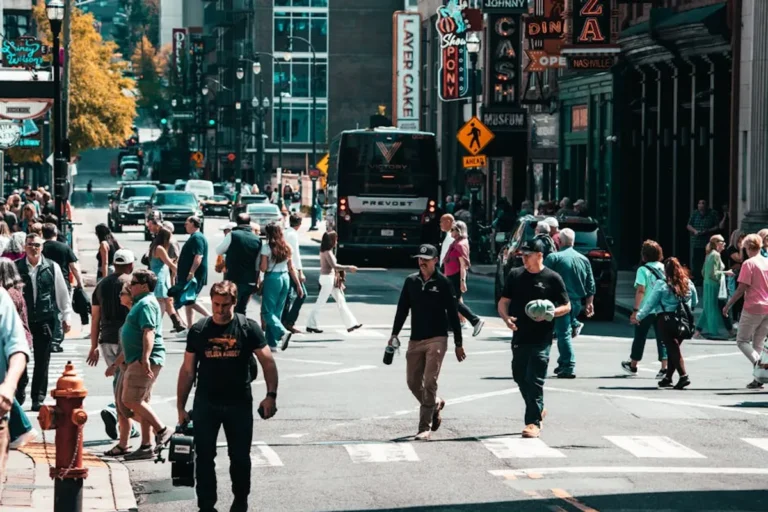
Community events serve as critical catalysts for transforming urban environments from mere infrastructure into vibrant, dynamic centers of human activity. These gatherings, ranging from local farmers' markets and street festivals to public art installations and open-air concerts, directly influence the economic, social, and cultural fabric of a city. The goal is not simply to entertain, but to strategically activate public spaces, increase civic engagement, and cultivate a stronger sense of local identity. Understanding the mechanisms through which these events achieve such impact is essential for urban planners, community organizers, and local businesses aiming to maximize their commercial and social returns.
The Catalytic Role of Events in Urban Revitalization
Events act as temporary anchors, drawing attention and resources to specific urban zones. Their success is often measured by their ability to generate sustained interest beyond the event duration, laying groundwork for permanent improvements or new commercial ventures.
Activating Underutilized Areas
Many urban landscapes contain underutilized or neglected spaces—empty lots, defunct industrial sites, or overlooked plazas. Community events offer a low-cost, high-impact method to temporarily repurpose these areas. A pop-up market can transform a vacant lot into a commercial hub for a weekend, demonstrating its potential for future development. Similarly, a temporary art exhibition can draw foot traffic to a forgotten alley, encouraging exploration and fostering a perception of safety and cultural value. This temporary activation can signal viability to investors or spark community-led initiatives for permanent improvements, effectively de-risking future projects by proving public interest and demand.
Fostering Economic Vibrancy
Beyond direct ticket sales or vendor fees, community events inject capital into the local economy through multiple channels. Increased foot traffic translates directly into higher sales for nearby brick-and-mortar businesses, including restaurants, cafes, and retail shops. Events often feature local artisans and small businesses, providing them with direct sales opportunities and exposure they might not otherwise achieve. Indirect economic benefits include temporary job creation for event staff, security, and logistics, as well as increased tourism spending on accommodation and transportation. For example, a well-publicized music festival can fill hotel rooms and restaurant tables for days, generating tax revenue and supporting a diverse range of local enterprises.
Designing Events for Maximum Urban Impact
Effective community events are not accidental; they are the result of deliberate planning that considers the specific needs and characteristics of the urban space and its inhabitants.
Understanding Local Needs and Demographics
Successful events resonate with the local population. This requires thorough research into the community's demographics, cultural preferences, and unmet needs. Surveys, public forums, and collaboration with neighborhood associations can reveal preferences for specific types of activities, food, or entertainment. For instance, a neighborhood with a large young family demographic might benefit more from a family-friendly festival with children's activities, while an area with a high concentration of artists might thrive with a public art fair or open studio event. Aligning event programming with community interests ensures higher attendance and deeper engagement.
Integrating Local Businesses and Artisans
Partnerships with local businesses are fundamental. This goes beyond simply inviting them to set up stalls. It involves co-promotion, shared marketing efforts, and integrating their products or services into the event's core offerings. A local brewery might sponsor a beer garden, or a neighborhood restaurant might cater a specific event section. This integration provides tangible benefits to businesses, fostering goodwill and encouraging their continued participation in future community initiatives. It also reinforces the event's local character, distinguishing it from generic corporate-sponsored activities.
Prioritizing Accessibility and Inclusivity
An event's ability to bring an urban space to life is directly tied to its accessibility to all residents. This encompasses physical accessibility (ramps, wide pathways, accessible restrooms), economic accessibility (free or low-cost entry, affordable vendor prices), and cultural inclusivity (diverse programming, multilingual signage, representation of various community groups). Events that are perceived as exclusive or difficult to access will fail to achieve broad community buy-in, limiting their overall impact on urban vitality. Thoughtful planning ensures that the event serves as a unifying force, not a divisive one.
- Physical Access: Ensure clear pathways, accessible restrooms, and designated seating for those with mobility challenges.
- Economic Access: Offer free entry or tiered pricing, and provide opportunities for local, affordable vendors.
- Cultural Inclusion: Feature diverse performers, artists, and food vendors reflecting the community's makeup.
- Communication: Provide information in multiple languages and utilize accessible formats for promotional materials.
Measuring the Tangible Benefits of Community Gatherings
To justify investment and refine future strategies, it is crucial to quantify the impact of community events. This moves beyond anecdotal evidence to concrete data.
Quantifying Foot Traffic and Engagement
Metrics like attendance figures are a starting point, but deeper insights come from analyzing foot traffic patterns and engagement levels. Mobile data analytics can track visitor numbers, dwell times, and movement within the event area. Post-event surveys can gauge attendee satisfaction, likelihood to return, and perceived value. Social media engagement (hashtags, geo-tagged posts, mentions) provides a real-time pulse on public sentiment and reach. For instance, a significant increase in geo-tagged posts within a previously quiet urban square after an event demonstrates its success in drawing people to that location.
Assessing Social Cohesion and Perception Shifts
Measuring social impact is more nuanced but equally important. This involves tracking changes in community perception, volunteer participation, and reported feelings of safety or belonging. Pre- and post-event surveys can assess attitudes towards the urban space, local businesses, and community bonds. An increase in volunteer sign-ups for future events or a rise in positive sentiment expressed in local media or online forums indicates a strengthening of social cohesion. The long-term goal is to transform a transactional experience into a relational one, building enduring community ties.
Pro Tip: When planning community events, always secure necessary permits and liaise with local authorities well in advance. Neglecting safety regulations or public right-of-way concerns can lead to costly fines, event cancellation, and damage to community goodwill. A smooth permitting process reflects organizational competence and builds trust with both residents and city officials.
Sustaining Momentum: Beyond the Event Day
The true value of community events lies not just in their immediate impact, but in their ability to foster lasting positive change. This requires strategies that extend beyond the event itself.
Building Volunteer Networks
Volunteers are the backbone of many successful community events. Beyond providing essential labor, they represent a vested interest in the community's well-being. Cultivating a robust volunteer network involves clear communication, proper training, and consistent recognition. Offering diverse roles allows individuals to contribute based on their skills and availability. A strong volunteer base ensures continuity, provides valuable feedback for future planning, and strengthens social ties among residents who work together towards a common goal.
Leveraging Digital Platforms for Ongoing Connection
The digital footprint of an event can extend its life cycle significantly. Post-event content—photos, videos, testimonials—keeps the energy alive and serves as promotional material for future iterations. Establishing dedicated social media groups or online forums allows participants to stay connected, share feedback, and discuss future initiatives. Email newsletters can maintain engagement by announcing upcoming events, sharing local news, and highlighting community successes. These digital touchpoints transform a one-off gathering into an ongoing conversation, reinforcing the sense of community ownership over urban spaces.
Implementing Event-Driven Urban Renewal
Bringing urban spaces to life through community events requires a strategic, integrated approach. It means viewing events not as isolated occurrences, but as vital components of a larger urban development framework. By focusing on local needs, fostering economic partnerships, ensuring broad accessibility, and diligently measuring impact, cities can leverage these gatherings to cultivate more vibrant, resilient, and connected urban environments. The sustained effort in building community networks and maintaining digital engagement ensures that the positive energy generated by events translates into lasting benefits for residents and local commerce.
Frequently Asked Questions
How do community events contribute to local economies?
They increase foot traffic for local businesses, create direct sales opportunities for vendors, generate temporary employment, and attract tourists who spend on accommodation, food, and retail.
What makes a community event truly inclusive?
Inclusivity is achieved through accessible physical spaces, free or low-cost participation options, diverse programming that reflects the community's demographics, and communication materials available in multiple languages.
How can event organizers measure the success of their initiatives?
Success can be measured through attendance figures, mobile data analytics for foot traffic and dwell times, post-event surveys for satisfaction, social media engagement, and assessing changes in community perception or volunteer participation rates.
What is the long-term impact of consistently hosting community events?
Consistent events can lead to increased civic engagement, a stronger sense of community identity, revitalization of underutilized urban spaces, sustained economic growth for local businesses, and an overall improvement in the quality of urban life.