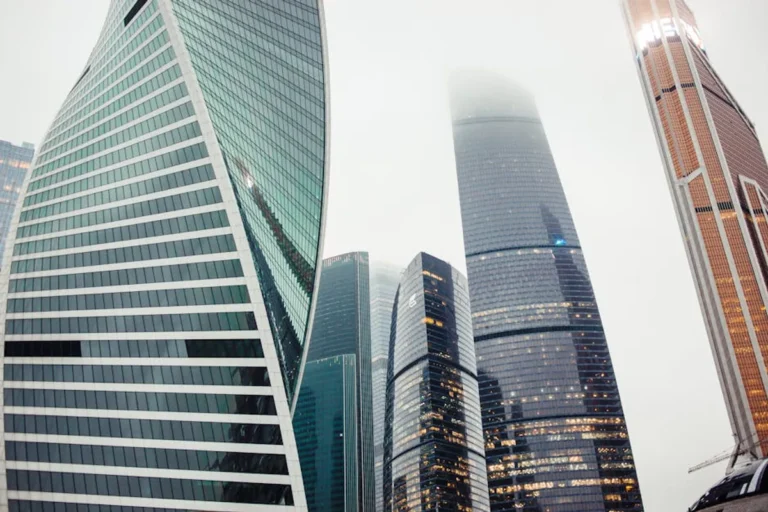

A plaza is more than just an open space; it's a critical urban asset. Its design directly influences community interaction, local commerce, and the overall quality of city life. For developers, city planners, and property owners, understanding the elements that define a truly effective plaza is essential for maximizing its social and economic returns. A "good" plaza is not merely aesthetically pleasing; it is a functional, adaptable, and inviting environment that consistently draws people, encourages dwell time, and supports diverse activities. This article explores the deliberate design and management principles that elevate a plaza from an empty expanse to a vibrant civic heart.
Core Principles of Plaza Design Excellence
A plaza's success hinges on foundational design choices that prioritize human experience and adaptability. These principles ensure the space serves its intended purpose as a dynamic public gathering point.
Accessibility and Connectivity
An effective plaza integrates seamlessly into its urban fabric, welcoming all users regardless of mobility or mode of transport. This means direct, clear pedestrian pathways that avoid unnecessary barriers, ensuring easy access from surrounding streets, public transit stops, and adjacent buildings. Universal design principles are paramount, including ramp access, tactile paving where appropriate, and clear sightlines for navigation. Physical barriers, such as excessive steps or narrow entrances, inherently limit who can use the space and how often. A well-connected plaza becomes a natural thoroughfare and destination, not an isolated island. Prioritizing universal design is fundamental to creating welcoming pedestrian environments for everyone.
Comfort and Safety
People will only frequent a plaza if they feel comfortable and secure. Comfort encompasses a range of environmental factors:
- Seating: Abundant, varied seating options (benches with backs, movable chairs, ledges, steps) that accommodate individuals and groups, offering choices in sun or shade.
- Shade: Essential for extending usability during warm weather, provided by mature trees, pergolas, or fabric structures. This encourages longer dwell times and supports outdoor commercial activities.
- Lighting: Thoughtful, layered lighting ensures safety and extends usability into the evening. This includes ambient lighting for general visibility, task lighting for specific areas (e.g., seating, art), and accent lighting to highlight features. Poor lighting creates perceived dangers and limits evening use.
- Cleanliness: Regular maintenance, including waste removal and surface cleaning, signals respect for users and promotes continued use.
- Sightlines and Security: Open sightlines reduce hidden areas, enhancing perceived safety. Strategic placement of security cameras and occasional, visible security presence further reinforces this.
Activities and Programming
A good plaza is not static; it's a stage for urban life. Its design should anticipate and facilitate a wide range of activities, both planned and spontaneous. This requires flexible, open areas that can host events like farmers' markets, concerts, or public art installations. Permanent features also contribute: interactive water features attract children, public art provides focal points and conversation starters, and small, well-maintained play areas draw families. The most successful plazas offer a "menu" of activities, allowing users to choose how they engage with the space, from quiet contemplation to active participation.
Identity and Sense of Place
A truly memorable plaza possesses a distinct character that reflects its locale and fosters a sense of belonging. This identity can be forged through:
- Local Materials: Incorporating materials indigenous to the region or historically used in the area connects the plaza to its context.
- Cultural Relevance: Design elements, art, or programming that acknowledge local history, traditions, or demographics.
- Unique Features: A signature fountain, a specific type of tree, or an iconic piece of public art can become a landmark, distinguishing the plaza from generic public spaces.
A strong sense of place encourages civic pride and makes the plaza a destination rather than just a pass-through. Understanding the key elements of urban design helps create these vibrant social hubs.
Measuring a Plaza's Success
Evaluating a plaza's effectiveness goes beyond subjective appeal. Concrete metrics can quantify its impact and guide future improvements.
User Engagement Metrics
Direct observation and data collection provide insights into how people actually use the space:
- Dwell Time: How long do people stay? Longer dwell times indicate comfort and engagement.
- Foot Traffic: Volume of visitors at different times of day and week.
- Diversity of Users: Does the plaza attract a broad cross-section of the community (age, demographics, activities)?
- Repeat Visits: Are people returning to the plaza regularly?
These metrics, often gathered through anonymous Wi-Fi analytics, pedestrian counters, or ethnographic observation, reveal the plaza's ability to retain and attract users.
Economic Impact
A vibrant plaza contributes tangibly to the local economy:
- Surrounding Property Values: Well-designed public spaces often correlate with increased property values in adjacent areas.
- Retail Sales: Increased foot traffic and dwell time translate to higher sales for surrounding cafes, restaurants, and shops.
- Tourism Draw: Iconic plazas can become tourist attractions, bringing external revenue to the area.
This economic uplift justifies investment in public space design and maintenance.
Environmental Performance
Modern plazas increasingly integrate sustainable design principles, contributing to urban resilience:
- Green Infrastructure: Rain gardens, permeable paving, and extensive tree canopy manage stormwater runoff, reduce flooding, and replenish groundwater.
- Urban Heat Island Mitigation: Trees and shade structures significantly lower ambient temperatures, making the plaza more comfortable and reducing energy consumption in nearby buildings.
- Biodiversity: Native plantings can support local insect and bird populations, enhancing ecological value.
These environmental benefits contribute to a healthier, more sustainable urban environment.
Pro Tip: Prioritize the user experience over purely aesthetic considerations. A plaza can be visually stunning, but if it lacks comfortable seating, adequate shade, or a sense of safety, people will not linger. Focus on how the space feels and functions for its diverse users.
Practical Considerations for Plaza Development
Developing a successful plaza requires strategic planning that extends beyond initial design.
Stakeholder Collaboration
The most impactful plazas are the result of broad collaboration. Engaging community members, local businesses, city planning departments, landscape architects, and urban designers ensures that the plaza meets diverse needs and gains widespread support. Early and continuous input from these groups helps align the plaza's vision with local aspirations and practical requirements.
Flexible Infrastructure
Anticipating future needs is crucial. Incorporating robust, easily accessible infrastructure for temporary installations and events enhances a plaza's versatility:
- Power Outlets: Distributed power sources for food trucks, market stalls, and event lighting.
- Water Access: Spigots for cleaning, temporary fountains, or plant watering.
- Robust Wi-Fi: Public Wi-Fi supports digital engagement, event management, and data collection.
This foresight reduces future modification costs and expands programming possibilities.
Maintenance and Management
A plaza's long-term vitality depends on consistent, well-funded maintenance and proactive management. This includes daily cleaning, landscape care, repair of damaged elements, and a clear security plan. A dedicated management entity, whether a city department, business improvement district, or non-profit, ensures the plaza remains a welcoming and functional space over time. Without proper upkeep, even the best-designed plaza will deteriorate and lose its appeal.
Cultivating Urban Vitality Through Deliberate Design
A good plaza is an active, evolving component of its urban ecosystem, not a static monument. It is a place where design choices directly translate into human interaction, economic vitality, and environmental benefit. From ensuring universal accessibility to fostering a unique sense of place, every element contributes to its overall success. The most impactful plazas are those that are meticulously planned, community-driven, and managed with a long-term vision, ensuring they remain cherished public assets for generations.
Frequently Asked Questions
What is the primary purpose of a public plaza?
The primary purpose of a public plaza is to serve as a communal gathering space, fostering social interaction, civic engagement, and cultural expression within an urban environment. It provides a shared amenity that enhances quality of life.
How does good plaza design impact local businesses?
Effective plaza design significantly boosts local businesses by increasing foot traffic, encouraging longer dwell times, and creating an attractive environment that draws visitors. This often leads to higher sales for surrounding retail, cafes, and restaurants, and can contribute to increased property values.
Are "smart" technologies essential for modern plazas?
While not strictly essential, "smart" technologies like public Wi-Fi, integrated sensors for environmental monitoring, and intelligent lighting systems can significantly enhance a modern plaza's functionality