Streetscapes are more than just sidewalks and storefronts; they are the public face of a community, directly influencing economic vitality, social interaction, and overall quality of life. An intentional approach to streetscape improvement transforms these spaces from mere thoroughfares into engaging destinations, attracting residents, businesses, and visitors alike. This guide outlines a structured approach to enhancing these critical urban arteries, focusing on tangible actions that yield measurable benefits, from increased foot traffic to improved environmental resilience.
Understanding the Impact of Streetscapes
Effective streetscape design directly correlates with a range of positive outcomes. For commercial districts, improved streetscapes can lead to higher property values, increased retail sales, and a stronger sense of place. For residential areas, they foster community pride, encourage outdoor activity, and enhance safety. These improvements are not solely aesthetic; they are strategic investments in public infrastructure that support economic development and social cohesion.
Core Principles for Effective Streetscape Design
Successful streetscape projects integrate several foundational principles to ensure holistic and sustainable improvements:
- Walkability and Accessibility: Prioritize pedestrian comfort and safety with wide, well-maintained sidewalks, clear pathways, and accessible ramps. Ensure universal design principles are applied to accommodate all users.
- Green Infrastructure: Integrate natural elements like street trees, rain gardens, and permeable paving to manage stormwater, reduce urban heat island effects, and enhance air quality.
- Aesthetics and Identity: Create a distinct sense of place through consistent design elements, public art, and materials that reflect local character and history.
- Safety and Comfort: Implement adequate lighting, clear sightlines, and strategically placed seating to create secure and inviting environments, both day and night.
- Commercial Vibrancy: Design elements should support local businesses through visible storefronts, outdoor dining opportunities, and spaces for public events.
Strategic Steps for Streetscape Transformation
Implementing streetscape improvements requires a phased approach, moving from initial assessment to long-term maintenance.
1. Comprehensive Assessment and Planning
Begin with a thorough analysis of existing conditions, identifying areas of concern and opportunities for enhancement. This phase involves:
- Site Analysis: Evaluate current pedestrian flow, traffic patterns, existing infrastructure (lighting, utilities, drainage), and the condition of hardscapes and softscapes.
- Community Engagement: Conduct workshops, surveys, and public meetings to gather input from residents, business owners, and local stakeholders. Understand their needs, priorities, and vision for the space. This ensures designs are locally relevant and garner essential public support.
- Goal Setting: Define clear, measurable objectives for the project, such as increasing pedestrian traffic by a specific percentage, reducing stormwater runoff, or improving public safety ratings.
2. Enhancing the Pedestrian Experience
The primary user of a streetscape is often the pedestrian. Focus on creating an inviting and functional environment:
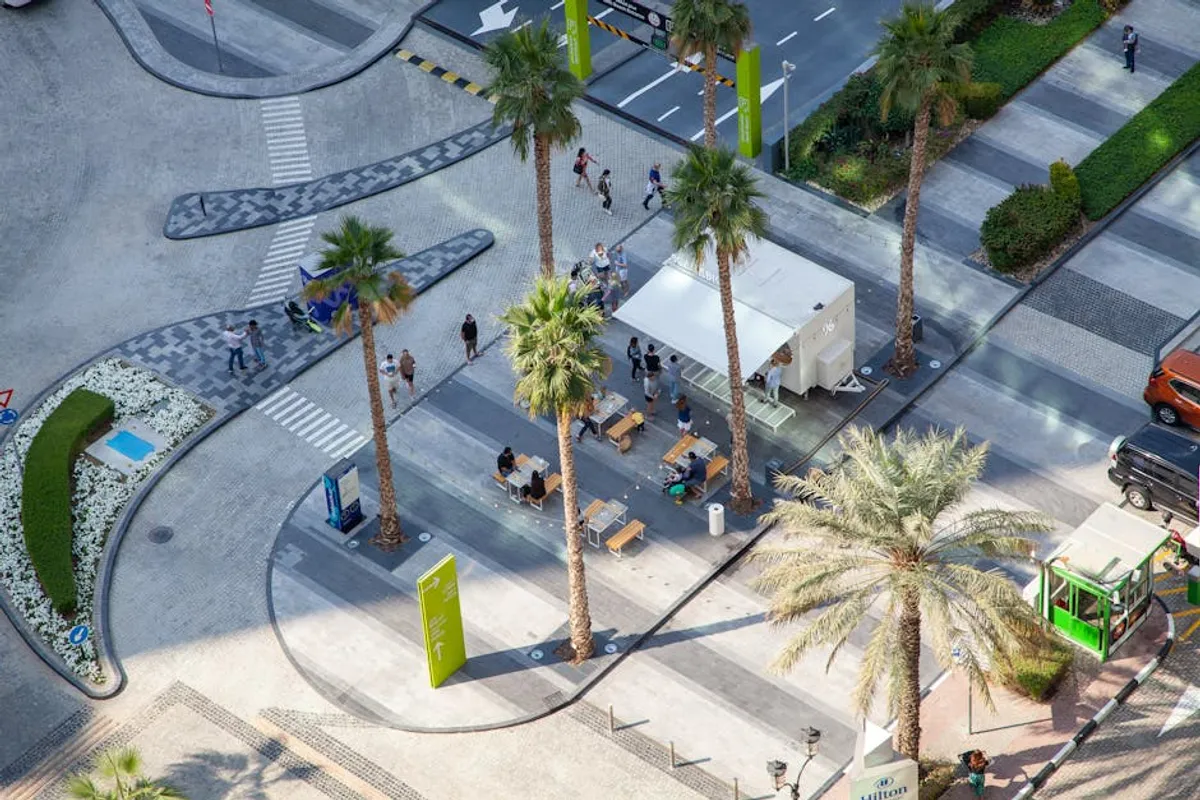
- Sidewalk Expansion and Paving: Widen sidewalks where feasible to accommodate more foot traffic and outdoor activities. Select durable, slip-resistant paving materials that complement the area's aesthetic.
- Crosswalks and Intersections: Install clearly marked, high-visibility crosswalks, potentially with raised designs or pedestrian islands, to improve safety and slow vehicle speeds.
- Seating and Shade: Provide comfortable, well-maintained benches and other seating options. Incorporate mature trees or pergolas for shade, especially in warmer climates.
3. Integrating Green Infrastructure
Beyond aesthetics, green elements offer significant environmental benefits:
Best for: Stormwater management, urban cooling, biodiversity support.
- Street Trees: Plant appropriate tree species that can thrive in an urban environment, providing canopy cover, absorbing pollutants, and enhancing visual appeal. Consider species with varied seasonal interest.
- Planters and Rain Gardens: Introduce strategically placed planters with native, drought-tolerant vegetation. Design rain gardens or bioswales to capture and filter stormwater runoff, reducing strain on municipal drainage systems.
- Permeable Paving: Utilize permeable materials for sidewalks, parking areas, or public plazas to allow water to infiltrate the ground naturally, recharging groundwater and reducing surface runoff.
Pro Tip: Prioritize underground utility coordination early in the design process. Unforeseen conflicts with water lines, electrical conduits, or communication cables can cause significant delays and cost overruns if not addressed during the initial planning and design phases.
4. Lighting and Furnishings
Thoughtful selection of street furniture and lighting contributes to both function and form:
- Functional and Aesthetic Lighting: Install energy-efficient LED lighting that provides adequate illumination for safety without creating light pollution. Consider decorative fixtures that align with the area's architectural style.
- Waste Receptacles and Recycling Bins: Provide sufficient, easily accessible waste and recycling bins to maintain cleanliness. Choose durable, attractive designs.
- Bike Racks and Transit Shelters: Integrate infrastructure that supports alternative transportation, such as secure bike racks and well-designed transit shelters.
5. Art and Placemaking
Infuse personality and character into the streetscape to create memorable experiences:
- Public Art Installations: Commission or integrate local art that reflects the community's culture, history, or aspirations. This can range from murals to sculptures.
- Historical Markers and Interpretive Signage: Use signage to tell the story of the area, highlighting historical events, notable figures, or unique architectural features.
- Unique Design Elements: Incorporate distinctive paving patterns, street furniture, or landscaping features that give the streetscape a unique identity.
6. Traffic Calming and Management
Rebalance the street to prioritize pedestrians and cyclists over vehicles:
- Reduced Lane Widths: Narrowing vehicle lanes can encourage slower driving speeds.
- Speed Humps and Raised Crossings: Physical measures can effectively reduce vehicle speed and enhance pedestrian safety at intersections.
- Pedestrian-Priority Zones: Designate areas where pedestrians have clear right-of-way, potentially through shared-space concepts or temporary street closures for events.
Sustaining Streetscape Improvements
Long-term success depends on ongoing maintenance and community involvement. Establish clear maintenance schedules for landscaping, lighting, and hardscapes. Engage local businesses and residents in stewardship programs, fostering a sense of collective responsibility for the improved public spaces. Regular review and adaptation based on community feedback ensure the streetscape remains vibrant and functional over time.
Frequently Asked Questions
What is the typical timeline for a streetscape improvement project?
Project timelines vary significantly based on scope and complexity. A small-scale enhancement might take 6-12 months from planning to completion, while large-scale redevelopments involving extensive infrastructure work could span several years.
How do streetscape improvements impact local businesses?
Well-designed streetscapes typically lead to increased foot traffic, improved visibility for storefronts, and a more pleasant environment for outdoor dining or retail displays. This often translates into higher sales, increased property values, and a stronger local economy.
What are the primary funding sources for streetscape projects?
Funding can come from a variety of sources, including municipal budgets, state or federal grants for urban development or transportation, private sector contributions (e.g., Business Improvement Districts), and local bond measures. Public-private partnerships are also common.
How can community members get involved in streetscape planning?
Community members can participate by attending public meetings, joining local planning committees, providing feedback on design proposals, and volunteering for community clean-up or planting initiatives. Active engagement ensures projects reflect local needs and desires.