
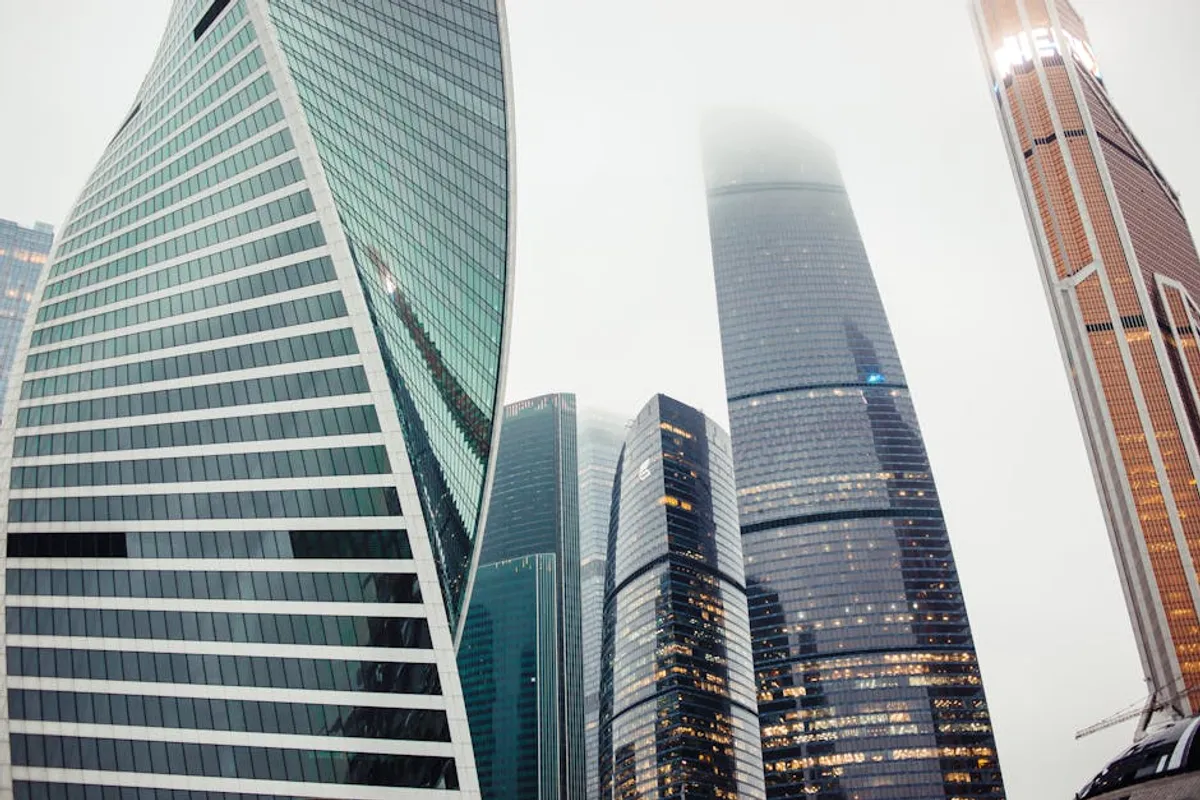
The trajectory of urban development is shifting, driven by urgent global challenges and rapid technological advancements. City design, once primarily focused on infrastructure and aesthetics, now encompasses a complex interplay of sustainability, digital integration, and social equity. For professionals in SEO, marketing, and publishing, understanding these evolving paradigms is critical for identifying market opportunities, developing relevant content strategies, and engaging with stakeholders who are shaping the built environment. For those navigating these shifts, understanding the principles behind reading city masterplans can provide valuable insights into future urban development.
Defining the Next Generation of Urban Environments
The future of city design is not a singular vision, but a dynamic framework responding to demographic shifts, climate imperatives, and the pervasive influence of technology. It moves beyond mere physical planning to consider the holistic experience and resilience of urban inhabitants and ecosystems.
Sustainability and Climate Resilience
Future cities prioritize ecological balance and climate adaptation. This involves design principles that actively mitigate environmental impact and enhance urban areas' capacity to withstand climate shocks. Key elements include:
- Green Infrastructure Integration: Incorporating natural systems like urban forests, permeable surfaces, and green roofs to manage stormwater, reduce heat island effects, and promote biodiversity. These elements provide measurable benefits in air quality improvement and energy consumption reduction.
- Circular Economy Principles: Designing for resource efficiency, waste reduction, and material reuse within urban systems. This translates to localized production, repair economies, and infrastructure that can be adapted or repurposed over time, reducing landfill burden.
- Renewable Energy Systems: Decentralized energy generation, smart grids, and building-integrated photovoltaics are central to reducing reliance on fossil fuels. Urban planning increasingly mandates energy-positive developments or districts.
Smart City Technologies and Data-Driven Planning
Digital infrastructure is becoming as fundamental as physical infrastructure. Smart city initiatives leverage data and interconnected technologies to improve urban management and citizen services.
- Internet of Things (IoT) Networks: Sensors deployed across urban environments collect real-time data on traffic flow, air quality, waste levels, and public safety. This data informs dynamic urban management and predictive maintenance.
- Artificial Intelligence (AI) and Predictive Analytics: AI algorithms analyze vast datasets to optimize public transport routes, forecast energy demand, and identify patterns that can improve emergency response times or resource allocation.
- Digital Twins: Virtual models of physical cities, updated in real-time with sensor data, allow planners to simulate interventions, test design changes, and monitor performance before physical implementation. This reduces risk and optimizes outcomes for complex projects.
Human-Centric and Equitable Design
Beyond technology and sustainability, future city design re-centers the human experience, aiming to create inclusive, accessible, and vibrant communities. This focus on human-centered development is key to building community through design, ensuring cities are places where people truly connect and thrive.
- 15-Minute City Concept: This urban planning model advocates for cities where essential services—work, shopping, education, healthcare, and leisure—are accessible within a 15-minute walk or bike ride from residents' homes. It reduces reliance on cars, promotes local economies, and fosters community cohesion.
- Accessible Public Spaces: Design emphasizes universal accessibility, ensuring public parks, plazas, and transport systems are usable by individuals of all ages and abilities. This includes thoughtful material selection, clear wayfinding, and inclusive programming.
- Mixed-Use Development: Integrating residential, commercial, and recreational functions within single buildings or neighborhoods reduces commuting, fosters vibrant street life, and supports local businesses. This contrasts with traditional zoning that segregates functions.
Pro Tip: When developing content or strategies for future city design, focus on the measurable impact of proposed solutions. Generic claims about "smart" or "green" are less compelling than specific metrics on energy savings, carbon reduction, or improved public health outcomes. Emphasize the tangible benefits for residents and municipal budgets to demonstrate commercial viability and public value.
Navigating Challenges in Urban Transformation
Implementing these advanced design principles is not without hurdles. Stakeholders must address significant challenges to realize the full potential of future cities.
Data Governance and Privacy Concerns
The proliferation of sensors and data collection in smart cities raises critical questions about data ownership, security, and individual privacy. Robust regulatory frameworks and transparent data policies are essential to build public trust and prevent misuse.
Funding Models and Public-Private Partnerships
Large-scale urban transformation projects require substantial investment. Innovative funding mechanisms, including public-private partnerships, green bonds, and impact investing, are necessary to finance sustainable and technologically advanced infrastructure. Clear ROI projections are essential for attracting private capital.
Ensuring Digital and Social Equity
The benefits of smart city technologies must be equitably distributed. Addressing the digital divide—ensuring all residents have access to reliable internet and digital literacy—is paramount. Design must also prevent the displacement of existing communities due to gentrification driven by new developments.
Actionable Insights for Engaging with Future City Design
For businesses and content creators, understanding these trends allows for targeted engagement:
- Identify Niche Service Gaps: Focus on specific aspects like climate risk assessment for urban infrastructure, specialized software for digital twin creation, or community engagement platforms for urban planning.
- Develop Educational Content: Create resources that demystify complex concepts (e.g., "Understanding the Circular City Model") for policymakers, developers, and the public.
- Showcase Case Studies: Highlight successful implementations of sustainable or smart design principles, detailing the challenges overcome and the measurable benefits achieved. This provides concrete evidence of value.
- Advocate for Policy Changes: Position content to support progressive urban policies, demonstrating how design principles align with broader societal goals like carbon neutrality or housing affordability.
Frequently Asked Questions
What defines a "smart city" in future design?
A smart city integrates advanced technology, data analytics, and connectivity to enhance urban services, improve sustainability, and elevate the quality of life for its residents through efficient resource management and responsive infrastructure.
How does climate change influence urban planning?
Climate change drives urban planning to prioritize resilience, requiring designs that can adapt to extreme weather, incorporate green infrastructure for mitigation, promote renewable energy, and reduce carbon footprints across all development stages.
What is the 15-minute city concept?
The 15-minute city is an urban planning strategy where residents can access all essential daily amenities and services—work, shopping, education, health, and leisure—within a 15-minute walk or bike ride from their homes, fostering local communities and reducing car dependence.
What role does data play in modern city design?
Data informs modern city design by providing insights into urban dynamics like traffic, energy consumption, and public safety. This allows planners to make evidence-based decisions, optimize infrastructure, and personalize urban services for greater efficiency and citizen satisfaction.