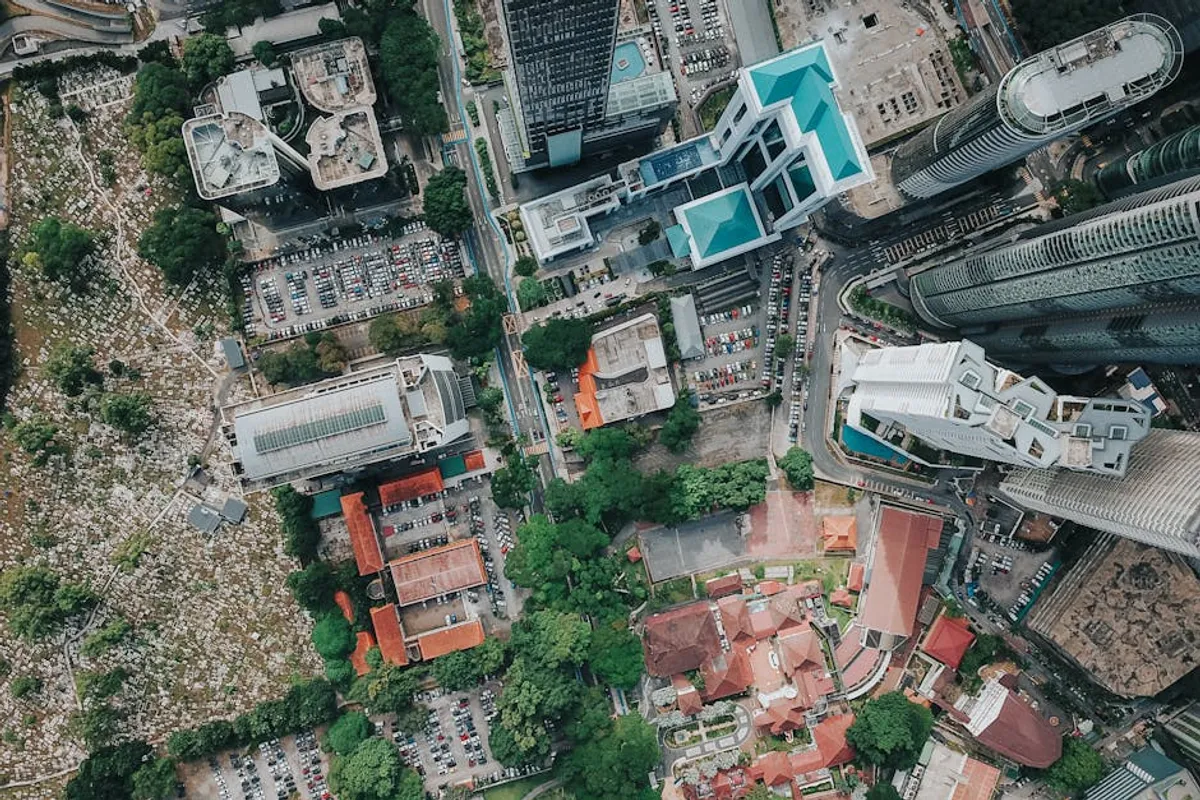
Urban regeneration projects, by their nature, are high-stakes endeavors. They demand significant capital investment, long-term commitment, and the complex orchestration of public and private interests. The failure rate for such initiatives can be substantial, often leaving behind abandoned visions, underutilized infrastructure, or exacerbated social inequities. However, when executed effectively, urban regeneration transforms declining areas into vibrant, economically productive, and socially cohesive communities. Examining successful examples provides critical insights into the strategic planning, funding models, community engagement, and adaptive reuse principles that underpin genuine, sustainable revitalization. This analysis focuses on projects that demonstrably achieved their objectives, offering a blueprint for those aiming to navigate the complexities of urban renewal.
Understanding Successful Urban Regeneration
Effective urban regeneration moves beyond mere cosmetic upgrades or isolated development. It involves a holistic approach that addresses economic stagnation, social deprivation, and environmental degradation within a defined urban area. Success is typically measured by a combination of factors: sustained economic growth, improved social equity, enhanced public spaces, increased environmental sustainability, and a stronger sense of community identity.
Key Principles of Effective Projects
While each regeneration project is unique to its local context, recurring themes emerge from successful cases:
- Visionary Leadership & Long-Term Planning: Projects require a clear, ambitious vision backed by decades-long strategic plans that can adapt to changing circumstances.
- Public-Private Partnerships: Leveraging both public funding and private investment is crucial for financial viability and risk-sharing.
- Community Engagement & Buy-in: Involving local residents and stakeholders from the outset builds trust, ensures relevance, and fosters ownership.
- Adaptive Reuse & Heritage Preservation: Repurposing existing structures and respecting historical context can provide character and cost efficiencies.
- Economic Diversification: Moving beyond a single industry focus creates resilient local economies.
- High-Quality Public Spaces: Investing in parks, plazas, and pedestrian zones enhances livability and social interaction.
- Sustainability & Resilience: Integrating green infrastructure, energy efficiency, and climate adaptation measures ensures long-term viability.
Case Study: Bilbao, Spain – From Industrial Decline to Cultural Hub
Bilbao, once a heavy industrial center in decline during the 1980s, orchestrated one of the most celebrated urban transformations. The city faced high unemployment, environmental pollution, and a decaying infrastructure. Its strategy centered on a bold cultural investment and comprehensive urban planning.
The Guggenheim Effect and Beyond
The decision to build the Guggenheim Museum Bilbao, designed by Frank Gehry, was a catalytic moment. Completed in 1997, the museum instantly put Bilbao on the global cultural map, attracting millions of tourists and generating significant economic activity. This "Bilbao Effect" demonstrated the power of iconic architecture as an economic driver. However, the Guggenheim was not an isolated project; it was part of a larger, coordinated plan.
Key interventions:
- New Metro System: Designed by Norman Foster, the "Fosteritos" enhanced connectivity.
- Riverfront Revitalization: Cleaning the Nervión River and creating new promenades and bridges (e.g., Zubizuri Bridge by Santiago Calatrava) transformed a polluted industrial corridor into a public amenity.
- Abandoibarra Redevelopment: A large brownfield site was converted into a mixed-use area with parks, offices, and cultural institutions.
Economic Diversification and Public Investment
The city and regional governments invested heavily in infrastructure and public spaces, acting as facilitators for private investment. This shift moved Bilbao's economy away from heavy industry towards services, tourism, and advanced technology. The success lay in a clear, shared vision among political leaders, urban planners, and the community, coupled with significant public funding to de-risk projects for private developers.
Case Study: High Line, New York City – Reimagining Infrastructure
The High Line is a 1.45-mile-long elevated park built on a former New York Central Railroad spur on Manhattan's West Side. Abandoned in 1980, the structure was slated for demolition until local residents rallied for its preservation and reuse.
Adaptive Reuse and Green Space Creation
The project transformed derelict industrial infrastructure into a vibrant public park and pedestrian walkway. Its design, blending natural plantings with the original railway tracks, created a unique ecological and recreational corridor. This adaptive reuse demonstrated how existing urban fabric, often seen as blight, can be reimagined as valuable public assets.
Community Engagement and Economic Spillover
The Friends of the High Line, a non-profit organization, played a pivotal role in advocating for the park's creation and raising private funds. This community-led initiative secured public and private support, leading to its opening in phases from 2009 to 2014. The High Line has become a major tourist attraction and a beloved local amenity. Critically, it spurred significant private real estate development in adjacent neighborhoods, increasing property values and attracting new businesses. The economic impact extended beyond tourism, generating substantial tax revenue and creating jobs.
Pro Tip: True urban regeneration extends beyond physical development. Projects that neglect social equity and existing community needs risk displacing long-term residents and creating 'islands of prosperity' rather than integrated, thriving neighborhoods. Prioritize inclusive growth strategies from the outset.
Case Study: HafenCity, Hamburg – Sustainable Waterfront Development
HafenCity is one of Europe's most ambitious urban regeneration projects, transforming a 157-hectare former port area in Hamburg into a new mixed-use district. The long-term plan, initiated in 2000 and projected to complete in the 2030s, aims to create a vibrant, sustainable urban quarter.
Integrated Planning and Mixed-Use Zoning
The project employs a comprehensive masterplan that integrates residential, commercial, retail, cultural, and recreational spaces. This mixed-use approach fosters a diverse and active urban environment, preventing the area from becoming a monoculture. The Elbphilharmonie concert hall serves as a cultural anchor, drawing visitors and residents alike.
Flood Protection and Environmental Design
A central challenge was the site's vulnerability to flooding. HafenCity addressed this by elevating buildings on artificial mounds or plinths, creating a flood-proof ground level for public spaces and infrastructure. Sustainability is woven into the design, with green building standards, efficient public transport, and extensive public access to the waterfront. The project demonstrates how large-scale regeneration can proactively address climate change risks while creating high-quality urban living.
Case Study: King's Cross, London – A Multi-Decade Transformation
The King's Cross area in London, once a neglected industrial zone characterized by railway lands, warehouses, and derelict buildings, has undergone a profound transformation since the late 1990s. The 67-acre site is now a thriving mixed-use district.
Phased Development and Heritage Preservation
The regeneration of King's Cross is a testament to phased, long-term development. It involved a masterplan that balanced new construction with the careful preservation and adaptive reuse of historic railway buildings, such as the Granary Building (now Central Saint Martins art college) and the Coal Drops Yard retail complex. This approach maintained the area's unique character while introducing modern amenities.
Connectivity and Knowledge Economy Focus
Leveraging its status as a major transport hub, the project emphasized connectivity. It created new public squares, pedestrian routes, and links to existing neighborhoods. Crucially, King's Cross attracted major companies like Google and Meta, along with educational institutions, positioning itself as a hub for the knowledge economy. This strategic tenant attraction ensured a robust employment base and a dynamic urban environment, demonstrating how regeneration can align with broader economic shifts.
Applying Insights to New Regeneration Initiatives
The success stories of Bilbao, the High Line, HafenCity, and King's Cross offer actionable lessons. Each project, despite its unique context, shared common threads: a clear, often audacious vision; significant public investment to de-risk and catalyze private development; sustained political will; robust community engagement; and a commitment to high-quality design and public spaces. Future regeneration efforts must prioritize these elements, adapting them to local needs while remaining flexible enough to evolve over multi-decade timelines. The goal is not merely to rebuild, but to fundamentally enhance the economic, social, and environmental health of urban areas for generations.
Frequently Asked Questions
What defines successful urban regeneration?
Successful urban regeneration is defined by a sustained improvement in economic vitality, social equity, environmental quality, and community well-being within a previously declining area. It typically involves attracting new investment, creating jobs, improving infrastructure, enhancing public spaces, and fostering a stronger sense of local identity.
How do you measure the success of a regeneration project?
Success is measured through a combination of quantitative and qualitative metrics. Quantitative measures include economic indicators (e.g., job creation, property value increases, tax revenue, tourism numbers), demographic shifts, and environmental improvements (e.g., air quality, green space per capita). Qualitative measures assess social impact, community satisfaction, cultural vibrancy, and perceived quality of life through surveys and community feedback.
What are the biggest challenges in urban regeneration?
Major challenges include securing adequate funding, managing complex public-private partnerships, addressing potential gentrification and displacement of existing residents, overcoming bureaucratic hurdles, adapting to changing economic conditions, and ensuring long-term sustainability and maintenance of new infrastructure and public spaces.
Can urban regeneration prevent gentrification?
While urban regeneration often brings new investment and amenities, it can inadvertently lead to gentrification if not carefully managed. Strategies to mitigate gentrification include implementing affordable housing mandates, protecting existing local businesses, establishing community land trusts, and ensuring that regeneration benefits are equitably distributed among all residents, not just newcomers.