The Urban Heat Island (UHI) effect describes a phenomenon where urban areas experience significantly higher temperatures than their surrounding rural or suburban landscapes. This temperature differential, often several degrees Celsius, is not merely an inconvenience; it represents a critical environmental and economic challenge for city planners, public health officials, and businesses. Understanding the mechanisms behind UHIs is essential for developing effective mitigation strategies that can reduce energy consumption, improve air quality, safeguard public health, and enhance urban liveability, directly impacting operational costs and community well-being for any organization operating within these environments.
Defining the Urban Heat Island Effect
An Urban Heat Island forms when built environments absorb and retain more heat than natural landscapes. This is primarily due to the replacement of natural surfaces, such as vegetation and water bodies, with impervious materials like asphalt and concrete. These materials have low albedo (reflectivity) and high thermal mass, meaning they absorb a large percentage of incoming solar radiation during the day and slowly release it as heat into the atmosphere at night. The result is a persistent elevation of both daytime and nighttime temperatures within urban cores compared to their cooler, vegetated surroundings.
Key Characteristics of UHIs
The UHI effect is typically quantified by the temperature difference between urban and rural areas. This difference can vary based on city size, geographic location, time of day, and season. Nighttime temperature differentials are often more pronounced than daytime differences because rural areas cool down more rapidly through radiative heat loss from natural surfaces. The UHI effect manifests in various forms:
- Surface Urban Heat Island: Refers to the temperature of land surfaces, measured by remote sensors. These are often most intense during the day.
- Atmospheric Urban Heat Island: Refers to the air temperature, measured by weather stations. This can be further divided into the canopy layer (below building height) and the boundary layer (extending hundreds of meters above the city).
The spatial extent of a UHI can encompass an entire metropolitan area, with the most intense heat concentrated in dense commercial and industrial zones.
Primary Causes of Urban Heat Islands
Several interconnected factors contribute to the formation and intensification of UHIs, each driven by urban development patterns.
Material Properties and Heat Absorption
The prevalence of dark, impervious surfaces is a primary driver. Materials like asphalt for roads and dark-colored roofing materials absorb up to 95% of solar radiation. Unlike natural surfaces that reflect or transpire heat, these materials store it, leading to elevated surface temperatures. For instance, a dark asphalt road can reach temperatures of 60-70°C on a summer day, significantly heating the surrounding air.
Diminished Evapotranspiration
Natural landscapes, particularly those with abundant vegetation, cool their surroundings through evapotranspiration—the process where plants release water vapor into the atmosphere. Urbanization replaces these cooling elements with buildings and paved surfaces, drastically reducing the capacity for natural cooling. This reduction in latent heat flux means more energy is converted into sensible heat, raising ambient temperatures.
Anthropogenic Heat Sources
Human activities within cities generate substantial amounts of heat. Vehicles release heat from engines and exhaust, industrial processes emit waste heat, and air conditioning systems expel hot air from buildings. This waste heat directly contributes to the overall thermal load of an urban environment, particularly during peak usage hours in commercial districts.
Urban Geometry and Trapped Heat
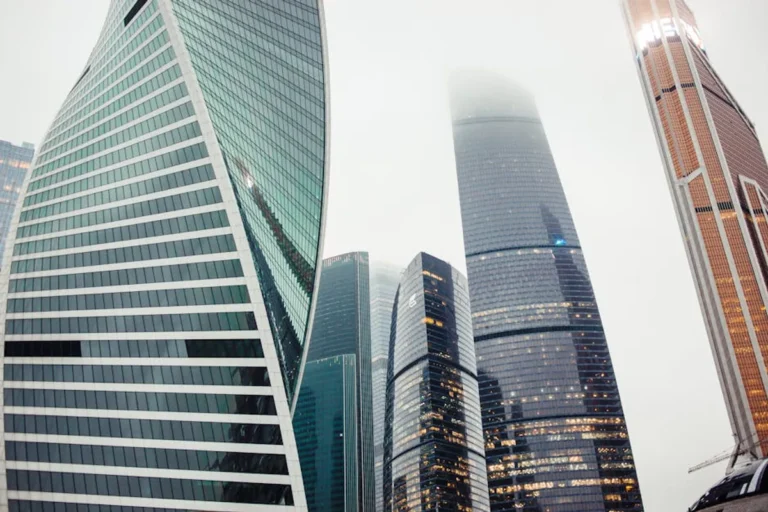
The physical structure of cities, characterized by tall buildings and narrow street canyons, can trap heat. Buildings block wind flow, preventing the dispersion of warm air. The multiple reflective surfaces of building facades can also cause solar radiation to bounce around, increasing the amount of energy absorbed within the street canyon and slowing nighttime cooling.
Consequences and Commercial Implications
The UHI effect carries significant ramifications beyond mere discomfort, impacting operational costs, resource management, and public welfare for businesses and municipalities.
Increased Energy Consumption
Elevated urban temperatures directly translate to higher demand for air conditioning during warmer months. This increased energy consumption drives up electricity costs for commercial buildings, data centers, and residential properties. Utility providers face greater strain on their grids, potentially leading to brownouts or blackouts during peak demand. Businesses operating in UHI-affected areas experience higher utility bills, directly impacting their bottom line.
Degraded Air Quality
Higher temperatures accelerate the chemical reactions that form ground-level ozone (smog) and other air pollutants. Stagnant air conditions, often exacerbated by urban geometry, prevent the dispersion of these pollutants, leading to prolonged periods of poor air quality. This poses health risks to employees and customers, potentially leading to increased healthcare costs and reduced productivity due to respiratory issues.
Public Health Risks
Prolonged exposure to extreme heat can cause heat exhaustion, heatstroke, and exacerbate existing cardiovascular and respiratory conditions. Vulnerable populations, including the elderly, children, and low-income communities, are particularly at risk. For businesses, this translates to potential disruptions in workforce availability, increased insurance claims, and a reduced ability for outdoor activities or events that rely on comfortable ambient temperatures.
Economic Impact on Businesses
Beyond direct energy costs, UHIs can deter tourism, reduce outdoor commercial activity, and decrease worker productivity due to uncomfortable conditions. Sectors reliant on outdoor spaces, such as hospitality, retail with outdoor seating, and construction, face direct economic losses during severe heat events. Property values in areas with significant UHI effects may also be negatively impacted over time as residents seek cooler environments.
Pro Tip: When evaluating potential development sites or optimizing existing commercial properties, conduct a microclimate analysis. Understanding localized UHI intensity can inform design choices for energy efficiency, material selection, and green infrastructure integration, yielding long-term operational savings and enhancing occupant comfort.
Mitigation Strategies and Their Efficacy
Addressing the UHI effect requires a multi-faceted approach, integrating urban planning, material science, and green infrastructure initiatives.
Cool Roofs and Pavements
Mechanism: Utilizing materials with high solar reflectance (albedo) and high thermal emittance. Cool roofs, often light-colored or specially coated, reflect a significant portion of sunlight, reducing heat absorption into buildings. Cool pavements use similar reflective aggregates or coatings.
Benefit: Reduces surface temperatures by 10-20°C, lowering indoor temperatures and decreasing air conditioning demand by 10-30% for individual buildings. This directly translates to energy cost savings for businesses and homeowners.
Green Infrastructure Deployment
Mechanism: Increasing vegetation through parks, urban forests, green roofs, and vertical gardens. Plants provide shade and cool the air through evapotranspiration.
Benefit: A single mature tree can have the cooling effect of 10 room-sized air conditioners running 20 hours a day. Green spaces can reduce ambient air temperatures by 2-4°C, improving air quality and providing aesthetic and recreational value, which can boost local commerce and property values.
Strategic Urban Planning
Mechanism: Designing cities with optimal building spacing, orientation, and street layouts to promote ventilation and minimize heat trapping. Incorporating water features can also provide localized cooling.
Benefit: Enhances natural airflow, helping to dissipate heat. This long-term planning approach supports sustainable development and creates more resilient urban environments, reducing the overall UHI intensity across broader areas.
Implementing UHI Solutions: A Practical Approach
For city stakeholders, implementing UHI mitigation is a strategic investment in urban resilience and economic sustainability. Begin by conducting a detailed heat vulnerability assessment to identify specific hot spots within a city or property portfolio. Prioritize interventions in areas with the highest temperature differentials and most vulnerable populations or highest energy consumption. Engage with local government for policy support, such as zoning incentives for green roofs or cool pavement mandates for new developments. Collaborate with material scientists and landscape architects to select appropriate, durable, and cost-effective solutions. Monitor the effectiveness of implemented strategies through temperature sensors and energy consumption data to refine approaches and demonstrate return on investment.
Frequently Asked Questions
What is the primary driver of Urban Heat Islands?
The primary driver is the replacement of natural, vegetated surfaces with impervious, heat-absorbing materials like concrete and asphalt, coupled with reduced evapotranspiration and waste heat from human activities.
How do Urban Heat Islands impact energy costs?
UHIs increase the demand for air conditioning in buildings during warmer periods, leading to higher electricity consumption and elevated utility bills for both residential and commercial sectors.
Can green spaces effectively reduce UHI temperatures?
Yes, green spaces significantly reduce UHI temperatures through shading and evapotranspiration, which can lower ambient air temperatures by several degrees Celsius in localized areas.
What role do cool roofs play in mitigating UHIs?
Cool roofs use reflective materials to bounce sunlight away from buildings, reducing heat absorption into structures and lowering both indoor temperatures and the overall ambient air temperature in urban environments.