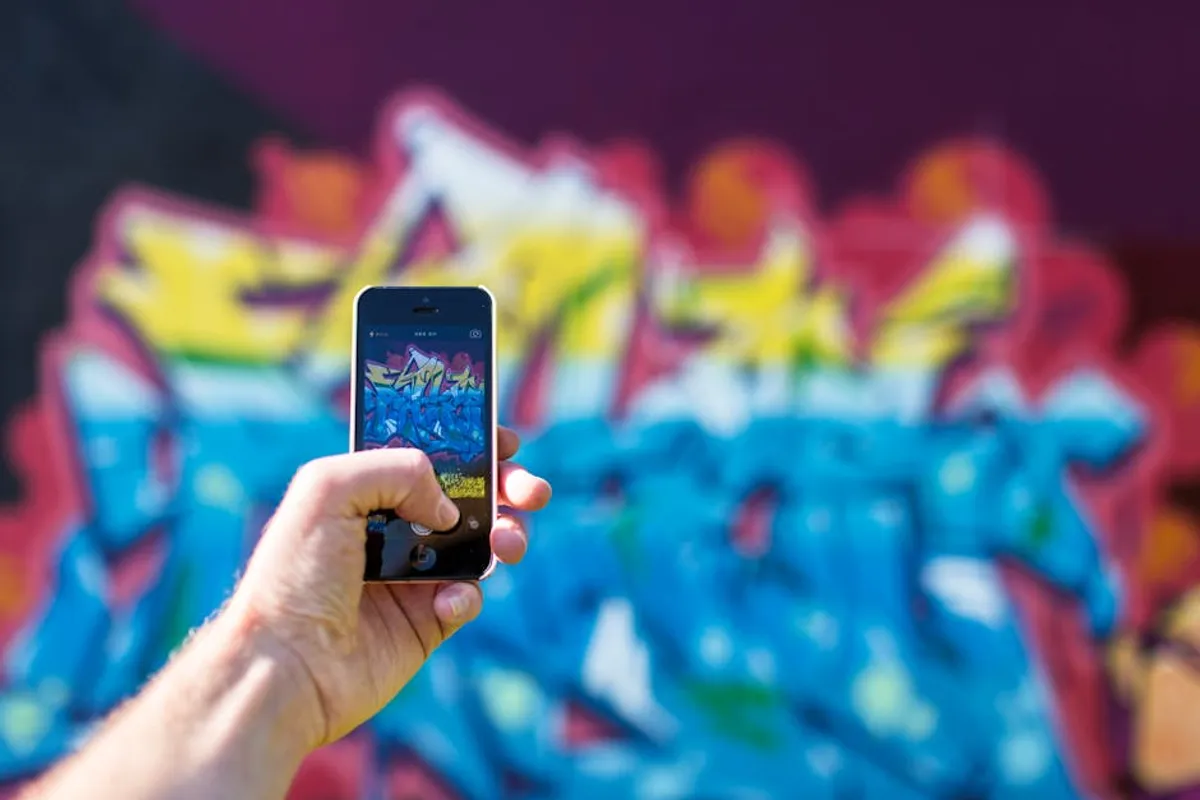
Street art, once relegated to the fringes of urban expression, has solidified its position as a potent force in shaping a city's identity. Beyond mere aesthetic appeal, these public interventions significantly influence how residents perceive their environment and how visitors experience a destination. For city planners, developers, and community leaders, understanding the dynamics of street art is critical for strategic urban development, fostering community engagement, and driving economic revitalization. This analysis explores how street art contributes to a distinct urban character, offers tangible commercial benefits, and presents unique challenges for long-term integration. Understanding these concepts can help in the application of urban design principles for better cities.
The Evolving Canvas: From Vandalism to Cultural Asset
The perception of street art has undergone a profound transformation. Historically, it was often categorized as vandalism, an unsanctioned mark on public property. However, over decades, a growing recognition of its artistic merit and cultural significance has shifted this narrative. Cities and communities now increasingly view street art as a legitimate form of public art, capable of enhancing urban aesthetics and reflecting local culture. This shift is not merely aesthetic; it carries legal and social implications, influencing policies around public space, artistic freedom, and property rights. The transition from illicit act to celebrated cultural asset redefines urban landscapes, inviting new forms of engagement and investment.
Crafting Place Attachment and Belonging
Visual Storytelling and Local Narratives
Street art frequently serves as a powerful medium for visual storytelling, embedding local histories, social commentaries, and community aspirations directly into the urban fabric. Murals depicting historical events, portraits of local heroes, or abstract interpretations of community values create visual anchors that resonate with residents. This localized narrative strengthens a sense of place, fostering a deeper connection between individuals and their environment. For visitors, these artworks offer authentic insights into a city's unique character, moving beyond generic tourist attractions to reveal the soul of a neighborhood.
Activating Public Spaces
One of street art's most impactful contributions is its ability to transform neglected or underutilized public spaces into vibrant, engaging areas. A drab alleyway can become an open-air gallery, a blank wall a monumental canvas. This activation often leads to increased foot traffic, encouraging social interaction and community gathering where none existed before. By injecting color, narrative, and creativity, street art reclaims spaces, making them feel safer, more inviting, and more reflective of the community's spirit. This revitalization extends beyond aesthetics, often catalyzing further investment and development in these newly energized zones.
Economic Catalysts: Tourism and Regeneration
Tourism and Local Business Growth
Street art has emerged as a significant driver of urban tourism. Destinations renowned for their street art, such as Wynwood in Miami or Shoreditch in London, attract visitors specifically to experience their outdoor galleries. This influx of tourists translates directly into economic benefits for local businesses, including cafes, restaurants, galleries, and boutique shops. Street art festivals further amplify this effect, drawing international attention and generating substantial revenue through event attendance, accommodation, and local spending. The art acts as a unique selling proposition, differentiating a city in the competitive global tourism market.
Property Value and Urban Revitalization
The presence of well-executed, curated street art can positively influence property values in surrounding areas. Neighborhoods that embrace and integrate street art often experience a halo effect, becoming perceived as more desirable, culturally rich, and innovative. This contributes to urban regeneration, attracting new residents and businesses. While this revitalization brings economic growth, it also requires careful management to prevent displacement and ensure that long-term residents and local businesses benefit from, rather than are marginalized by, the area's newfound popularity.
Challenges and Considerations
Preservation, Authenticity, and Gentrification
The ephemeral nature of street art presents a unique challenge: balancing its temporary existence with efforts to preserve significant works. Unlike traditional gallery art, street art is exposed to the elements, urban decay, and the constant threat of being painted over or removed. Attempts to preserve street art, whether through digital archiving, protective coatings, or even relocating entire walls, raise questions about authenticity and the original intent of the artist. Furthermore, the commercial success and beautification brought by street art can inadvertently contribute to gentrification, driving up rents and displacing original communities and artists. Navigating these complexities requires thoughtful urban planning and community engagement.
Pro Tip: When commissioning or allowing street art, establish clear guidelines for artist rights, longevity, and community input. Without defined parameters, projects risk losing authenticity, facing public backlash, or becoming targets for removal, undermining their potential for positive urban impact.
Strategic Integration for Urban Development
Effective integration of street art into urban planning requires a multi-stakeholder approach. Successful initiatives often involve collaboration between city governments, local businesses, community organizations, and artists themselves. This ensures that projects are not only aesthetically pleasing but also culturally relevant and sustainably managed. Funding mechanisms can range from public grants and private sponsorships to community crowdfunding, each offering different levels of creative control and public benefit. Measuring impact extends beyond mere aesthetics, encompassing metrics like increased foot traffic, reduced vandalism rates, enhanced community pride, and economic uplift in surrounding areas.
- Community Engagement: Involve local residents in the selection of themes, artists, and locations to ensure relevance and foster ownership.
- Artist Support: Provide fair compensation, legal protections, and opportunities for emerging local talent.
- Strategic Placement: Utilize street art to activate specific areas, create visual pathways, or highlight historical landmarks.
- Maintenance and Preservation Plans: Develop strategies for cleaning, restoration, and, where appropriate, documentation of ephemeral works.
- Policy Frameworks: Establish clear guidelines and permitting processes that balance artistic freedom with urban regulations.
Frequently Asked Questions
How does street art impact property values? Street art can increase property values by enhancing neighborhood aesthetics, attracting cultural tourism, and fostering a perception of vibrancy and desirability, which draws new residents and businesses.
What are the legal considerations for public murals? Legal considerations include obtaining property owner permission, adhering to local zoning and public art ordinances, and respecting artist intellectual property rights. Unauthorized art can lead to fines or removal.
Can street art help reduce crime? By activating neglected spaces and increasing foot traffic, street art can contribute to a sense of community ownership and surveillance, potentially deterring minor crimes and enhancing public safety in previously desolate areas.
How do cities balance preservation with the ephemeral nature of street art? Cities balance this by documenting works digitally, using protective coatings, creating designated legal walls for temporary art, and sometimes relocating or commissioning permanent versions of significant pieces, while acknowledging that impermanence is part of the art form.