Public art within city planning transcends mere aesthetic enhancement; it functions as a strategic investment in urban infrastructure, cultural identity, and economic vitality. For city planners, developers, and marketing professionals, understanding this integration means recognizing public art’s capacity to shape perceptions, drive foot traffic, and foster community cohesion. The decision to incorporate art into urban design is not about decoration, but about leveraging cultural assets to achieve measurable civic and commercial outcomes, from increased property values and tourism revenue to improved public safety and social engagement. This strategic use of cultural assets to achieve measurable civic and commercial outcomes is a key element in preserving a city's unique identity.
Defining Public Art's Role in Urban Development
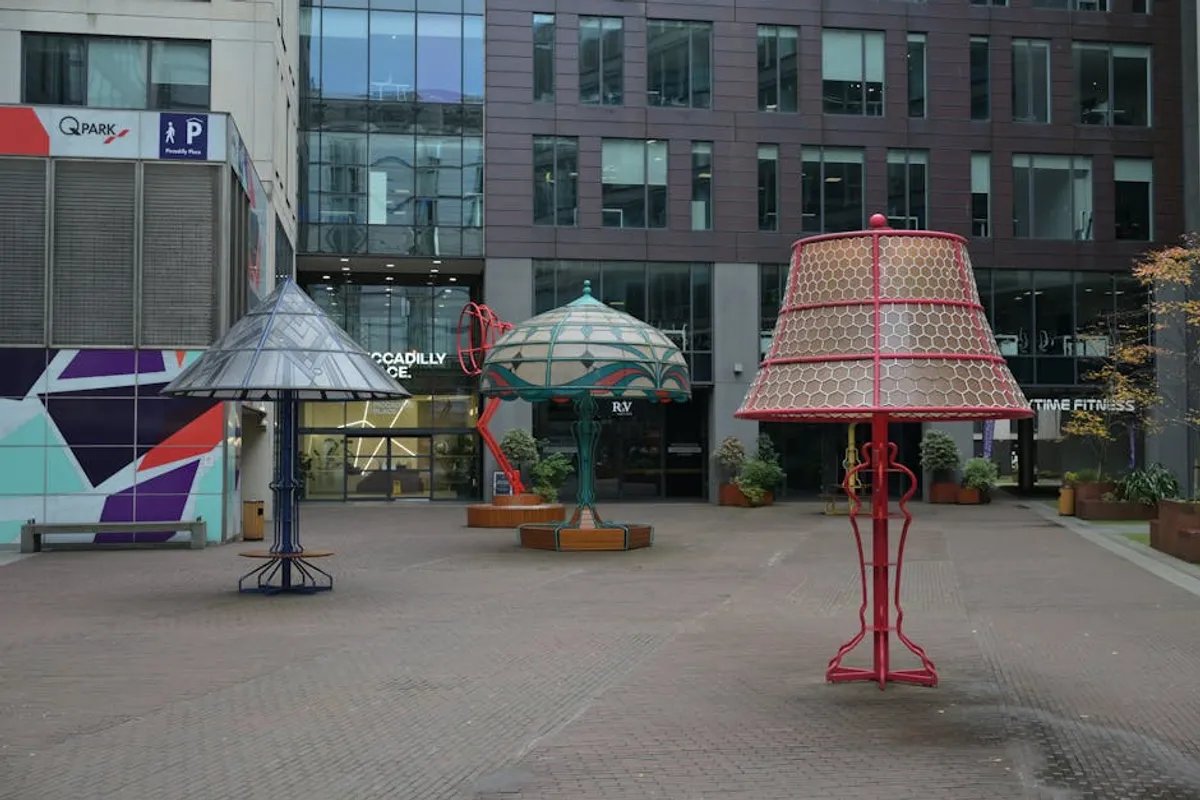
Public art, in the context of city planning, refers to artworks specifically commissioned, designed, or placed in public spaces to be accessible to all. This encompasses a broad range of forms, including sculptures, murals, installations, digital projections, and even performance art, all intended to engage with the urban environment and its inhabitants. Its strategic value lies in its ability to contribute to placemaking, which is the process of creating high-quality public spaces that people want to live, work, and play in. The goal of placemaking, which involves creating high-quality public spaces, is central to successful urban design and community engagement.
Unlike gallery art, public art is often site-specific, responding to the history, demographics, or architectural characteristics of its location. This contextual integration ensures that the art piece resonates with the local community and enhances the unique narrative of a district or city. For urban planners, this means considering how an artwork will interact with pedestrian flow, public transport, commercial zones, and residential areas, ensuring it contributes positively to the overall urban experience rather than existing in isolation.
Integrating Public Art into Planning Frameworks
Successful public art integration requires a structured approach, often enshrined in municipal policies and funding mechanisms. This ensures consistency, quality, and equitable distribution across urban landscapes.
Policy and Regulation
Many cities implement "Percent for Art" programs, mandating that a specific percentage (typically 1-2%) of capital improvement project budgets be allocated to public art. This mechanism provides a stable funding source and ensures art is considered early in the development process, rather than as an afterthought. These policies often cover both public and private developments, influencing everything from new government buildings to large-scale commercial complexes.
Beyond funding, policies also define processes for artist selection, community review, and long-term maintenance. Clear guidelines prevent arbitrary decisions and ensure transparency, which is crucial for gaining public trust and support. For instance, a city might establish an art commission responsible for reviewing proposals, engaging local artists, and overseeing the installation and upkeep of artworks.
Funding Models
While "Percent for Art" programs are foundational, diverse funding streams bolster public art initiatives:
- Public-Private Partnerships: Collaborations between city agencies and private developers or corporations, often involving shared costs and responsibilities. These partnerships can leverage private sector resources and expertise, particularly for large-scale projects.
- Grants and Foundations: Funding from national, state, and local arts councils, as well as private philanthropic foundations, supports specific projects or artist residencies.
- Community Fundraising: Crowdfunding or local donation campaigns can be effective for projects with strong community buy-in, fostering a sense of ownership among residents.
- Tourism Levies: In some areas, a portion of tourism taxes or visitor fees may be directed towards cultural initiatives, including public art, recognizing its role in attracting visitors.
Tangible Benefits for Cities and Communities
The strategic inclusion of public art yields concrete benefits that extend beyond cultural enrichment.
Economic Impact
Public art can be a significant economic driver. Iconic installations attract tourists, increasing visitor spending at local businesses, hotels, and restaurants. For example, large-scale murals or sculptures often become Instagrammable landmarks, generating free publicity and drawing people to specific districts. Research indicates that areas with robust public art programs can experience increased property values, particularly in residential and commercial zones adjacent to prominent artworks. This cultural amenity makes areas more desirable, attracting investment and skilled labor.
Best for: Urban revitalization, tourism promotion, property value appreciation.
Social Cohesion and Identity
Art in public spaces acts as a catalyst for social interaction. It provides common ground for conversation, reflection, and shared experiences, fostering a stronger sense of community. When public art reflects local history, diverse cultures, or pressing social issues, it contributes to a city's unique identity and narrative. This can enhance civic pride and empower residents by making them feel seen and represented in their urban environment. Public art can also transform neglected or underutilized spaces into vibrant community hubs, improving public safety and encouraging active use.
Best for: Community building, cultural expression, enhancing civic pride.
Challenges and Considerations for Implementation
While beneficial, integrating public art is not without its complexities.
Site-Specific Design and Maintenance
The longevity and impact of public art depend heavily on thoughtful design and robust maintenance plans. Materials must withstand environmental factors, vandalism, and general wear and tear. Neglecting maintenance can lead to decay, safety hazards, and a negative perception of public investment. Furthermore, the artwork must be appropriately scaled and positioned to complement, not overwhelm, its surroundings, ensuring accessibility and visibility for all.
Community Engagement and Controversy
Public art, by its very nature, invites public opinion. While community engagement is vital for ensuring relevance and buy-in, it can also lead to disagreements over artistic choices, themes, or costs. Effective planning involves transparent communication, public forums, and opportunities for feedback throughout the selection and installation process. Addressing potential controversies proactively, by clearly articulating the project's goals and benefits, helps manage expectations and build consensus.
Pro Tip: Prioritize long-term maintenance planning for public art installations from the outset. Neglecting this aspect can lead to decay, safety hazards, and a negative perception of public investment, diminishing the intended civic and economic benefits.
Strategic Integration for Lasting Impact
For cities and developers aiming to maximize the return on investment from public art, strategic integration is paramount. This means moving beyond standalone projects and embedding art into the broader urban development strategy. Consider public art as an integral component of infrastructure planning, green space development, and economic development initiatives. By aligning art projects with overarching city goals—such as promoting sustainability, fostering innovation, or celebrating diversity—cities can create more cohesive, engaging, and economically resilient urban environments. A proactive approach that involves artists, planners, and community stakeholders from the earliest stages ensures that public art is not just present, but truly transformative.
Frequently Asked Questions
What is the primary goal of public art in city planning?
The primary goal is to enhance urban identity, drive economic development through tourism and property value, and foster community engagement, ultimately contributing to a higher quality of life for residents.
How does public art contribute to economic development?
Public art attracts tourists, increases foot traffic to commercial areas, can raise property values in surrounding districts, and creates job opportunities for artists, fabricators, and maintenance crews.
What are common funding sources for public art projects?
Common sources include "Percent for Art" programs, public-private partnerships, grants from arts councils and foundations, and community fundraising initiatives.
How can cities ensure public art reflects community values?
Cities ensure this through robust community engagement processes, including public forums, surveys, and involving local stakeholders and artists in the selection and design phases of projects.