
Understanding the specific terminology of modern architecture is critical for any SEO professional, marketer, or content creator targeting audiences interested in design, real estate, or urban development. Precise vocabulary differentiates authoritative content, improves search visibility for niche queries, and enables more effective communication with architects, developers, and discerning clients. Generic descriptors fail to capture the nuances that define distinct architectural movements and their commercial appeal. Mastering these terms allows for the creation of highly targeted content that resonates with specific buyer intents, from those researching historical styles to those seeking contemporary design solutions.
Foundational Concepts in Modern Architecture
The early 20th century saw a radical departure from historical revival styles, emphasizing function, new materials, and a break from ornamentation. Grasping these foundational terms is essential for discussing the origins of modern design.
Functionalism
Definition: Functionalism is an architectural principle stating that the form of a building should primarily be determined by its function and purpose. Ornamentation is minimized, and structural elements are often exposed or expressed directly. This philosophy emerged in the early 20th century, notably articulated by figures like Louis Sullivan, with the maxim "form follows function."
Commercial Relevance: Content discussing functionalist design can target audiences interested in efficient, utilitarian spaces, often found in industrial or minimalist commercial properties. It helps position properties or services emphasizing utility over elaborate aesthetics, appealing to buyers prioritizing practicality and cost-effectiveness in design and construction.
International Style
Definition: Characterized by a rejection of ornament, adoption of glass, steel, and reinforced concrete, flat roofs, and an emphasis on volume over mass. Pioneered by architects like Le Corbusier, Walter Gropius, and Mies van der Rohe, it became globally dominant from the 1920s to the 1970s. Key features include pilotis (columns supporting the building), open-plan interiors, and ribbon windows.
Commercial Relevance: This term is crucial for marketing mid-century commercial buildings or residential properties designed during this era. SEO strategies can leverage "International Style architecture" for audiences seeking specific aesthetic values associated with modernism's peak, often linked to prestige and a clean, timeless look for corporate or institutional spaces.
Open Plan
Definition: An architectural and interior design concept where multiple functional areas (e.g., living room, dining room, kitchen) are combined into a single, large space without physical barriers like walls. This concept emerged with modernism, facilitated by new structural techniques that reduced the need for load-bearing interior walls.
Commercial Relevance: Highly relevant for residential real estate and modern office space marketing. "Open plan living" or "open concept office" are high-volume search terms indicating a preference for flexible, collaborative, and spacious environments. Using this term accurately helps attract buyers or tenants seeking contemporary layouts that promote natural light and social interaction.
Cantilever
Definition: A rigid structural element, such as a beam or plate, anchored at only one end to a (usually vertical) support from which it protrudes. Cantilevers allow for dramatic overhangs and seemingly unsupported sections, creating a sense of lightness and defying gravity. Frank Lloyd Wright's Fallingwater is a prime example.
Commercial Relevance: Describing properties with prominent cantilevered elements highlights unique structural design and engineering prowess. This appeals to niche markets interested in architectural innovation, luxury properties, or those seeking distinctive visual statements in their living or working environments. It can signal high-end construction and unique aesthetic value.
Mid-20th Century Innovations and Styles
The post-war era brought new interpretations and reactions to the strictures of early modernism, leading to diverse and sometimes contrasting styles.
Organic Architecture
Definition: A philosophy promoting harmony between human habitation and the natural world, integrating buildings, furnishings, and surroundings into a unified composition. It emphasizes natural materials, irregular forms, and a fluid relationship with the landscape. Frank Lloyd Wright was a leading proponent.
Commercial Relevance: Essential for marketing properties that prioritize natural integration, sustainable design, or a connection to the environment. SEO terms like "organic architecture homes" or "biophilic design" attract buyers seeking eco-conscious or uniquely harmonious living spaces, often in natural settings. It communicates a lifestyle choice, not just a building style.
Brutalism
Definition: An architectural style characterized by massive, monolithic, and block-like forms, often featuring raw concrete (béton brut) surfaces, exposed structural elements, and a utilitarian aesthetic. Popular from the 1950s to the mid-1970s, it aimed for honesty in materials and construction, often used for institutional buildings.
Commercial Relevance: While often polarizing, Brutalism has a dedicated following. Content marketing can target enthusiasts, preservationists, or those seeking unique institutional or commercial spaces with a strong, imposing presence. Understanding this term allows for accurate classification and targeting of heritage properties or specific architectural tours, appealing to a niche, informed audience.
Curtain Wall
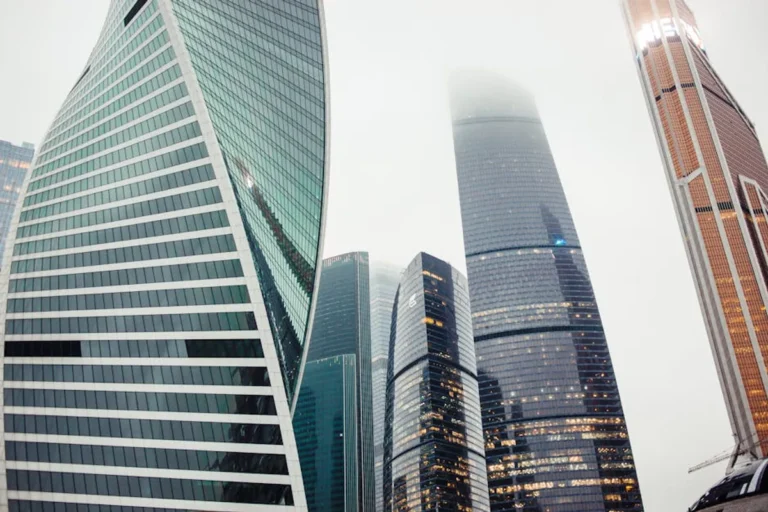
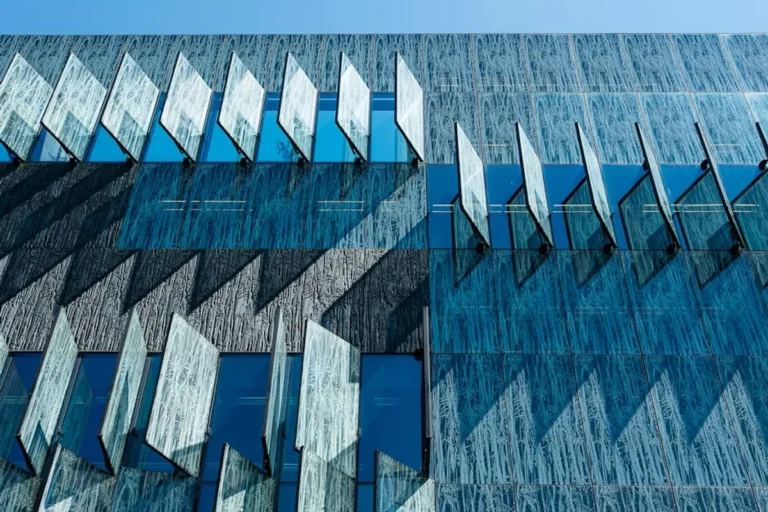
Definition: A non-load-bearing outer wall of a building, typically made of glass or metal panels, that hangs from the floor slabs and encloses the building. It transfers wind loads and its own weight to the building's main structure. It became a hallmark of the International Style and modern skyscrapers.
Commercial Relevance: Describing commercial high-rises or contemporary residential towers with "glass curtain walls" immediately conveys a modern aesthetic, often associated with expansive views, natural light, and sleek design. This term is vital for marketing office spaces, luxury apartments, and buildings that project a sophisticated, contemporary image.
Contemporary Trends and Design Principles
As the 20th century closed and the 21st began, architecture continued to evolve, incorporating new technologies, environmental concerns, and theoretical approaches.
Deconstructivism
Definition: A postmodern movement characterized by fragmentation, non-linear design processes, and a deliberate disruption of conventional architectural elements. Buildings often appear to be composed of disjointed, colliding forms, challenging traditional notions of harmony and unity. Architects like Frank Gehry and Zaha Hadid are associated with this style.
Commercial Relevance: For properties or projects with highly unusual, sculptural forms, "deconstructivist design" is a powerful descriptor. It attracts audiences interested in avant-garde architecture, art installations, or landmark commercial buildings that serve as cultural statements. This term signals innovation and a unique, often high-profile, aesthetic.
Parametric Design
Definition: A design methodology where shapes and structures are generated through algorithmic processes and computational tools, allowing for complex, non-standard geometries and intricate patterns. Parameters are defined, and the computer generates forms based on these inputs, enabling highly customized and optimized designs.
Commercial Relevance: This term is crucial for marketing cutting-edge architectural services, innovative building materials, or projects that highlight advanced computational design. It appeals to clients seeking bespoke, high-performance, or visually spectacular structures, often in the luxury, institutional, or tech-forward commercial sectors. It communicates a mastery of advanced design and construction techniques.
Sustainable Architecture
Definition: Design and construction practices that minimize the negative environmental impact of a building by maximizing efficiency in the use of resources (energy, water, materials), promoting renewable energy, and improving indoor environmental quality. It encompasses green roofs, passive solar design, and efficient HVAC systems.
Commercial Relevance: A cornerstone for marketing any eco-friendly property or development. Terms like "sustainable architecture," "green building," or "LEED-certified" are high-value keywords for environmentally conscious buyers and businesses. This vocabulary directly addresses growing market demand for energy efficiency, reduced carbon footprint, and healthy living/working environments.
Adaptive Reuse
Definition: The process of repurposing an existing building for a use other than that for which it was originally built. This often involves renovating historic or industrial structures while preserving their architectural character, rather than demolishing and rebuilding. It is a key practice in urban revitalization and sustainable development.
Commercial Relevance: Essential for real estate developers, urban planners, and marketers of renovated commercial or residential properties in historic districts. "Adaptive reuse projects" appeal to audiences interested in preserving heritage, unique character, and sustainable development. It highlights the transformation of existing assets into modern, functional spaces with historical context.
Key Elements and Construction Terminology
Beyond specific styles, understanding common modern architectural elements and construction approaches provides a fuller picture.
- Fenestration: The arrangement and design of windows and other openings in a building facade. Modern fenestration often emphasizes large expanses of glass.
- Massing: The perception of the general shape and form of a building, considering its volume and bulk. Modern architecture often manipulates massing to create dynamic or sculptural forms.
- Pilotis: Slender columns that lift a building above the ground, creating an open space beneath. A key feature of Le Corbusier's Five Points of Architecture.
- Brise Soleil: An architectural feature of a building designed to reduce heat gain by deflecting sunlight. Often found on modernist buildings in hot climates.
- Modularity: The use of standardized, interchangeable units or components in design and construction, allowing for efficient prefabrication and assembly.
Pro Tip: When using these terms in content, ensure accuracy. Mislabeling a style or misinterpreting a structural element can undermine credibility with knowledgeable audiences. Cross-reference definitions and examples to maintain authority and avoid diluting your message.
Leveraging Architectural Vocabulary for Commercial Advantage
Integrating these precise architectural terms into your content strategy moves beyond generic descriptions to provide specific, valuable information. For SEO, this means targeting long-tail keywords that attract highly qualified leads interested in particular styles or features. For content marketing, it allows for the creation of authoritative articles, case studies, and property listings that resonate with an educated audience. Develop glossaries, comparative analyses of styles, or deep dives into specific building types. This approach positions your brand as an expert resource, building trust and facilitating more informed commercial decisions for clients seeking specific architectural aesthetics or functional requirements.
Frequently Asked Questions About Modern Architecture Terminology
What defines "modern architecture" in terms of its core principles?
Modern architecture is largely defined by a rejection of historical ornamentation, an emphasis on functionalism, the adoption of new materials like steel, glass, and concrete, and a focus on clean lines, open plans, and innovative structural solutions.
How do terms like "International Style" and "Brutalism" differ, and why does it matter?
The International Style emphasizes sleek, unadorned facades, often with glass and steel, promoting a sense of lightness and universal application. Brutalism, conversely, is characterized by massive, raw concrete forms and a utilitarian aesthetic, often conveying solidity and gravitas. Understanding the difference is crucial for accurately categorizing and marketing properties to specific aesthetic preferences.
Why is understanding "sustainable architecture" terminology commercially important now?
Sustainable architecture terms are commercially important due to increasing consumer and regulatory demand for eco-friendly buildings. Using terms like "LEED-certified," "net-zero energy," or "passive design" directly addresses buyer interest in energy efficiency, reduced environmental impact, and healthier indoor environments, adding significant market value.
Can modern architecture terms apply to residential and commercial properties equally?
Yes, many modern architecture terms apply to both residential and commercial properties. Concepts like "open plan," "cantilever," and "curtain wall" can be found in homes, offices, and public buildings. The application and scale may differ, but the underlying principles and terminology remain relevant across sectors.