
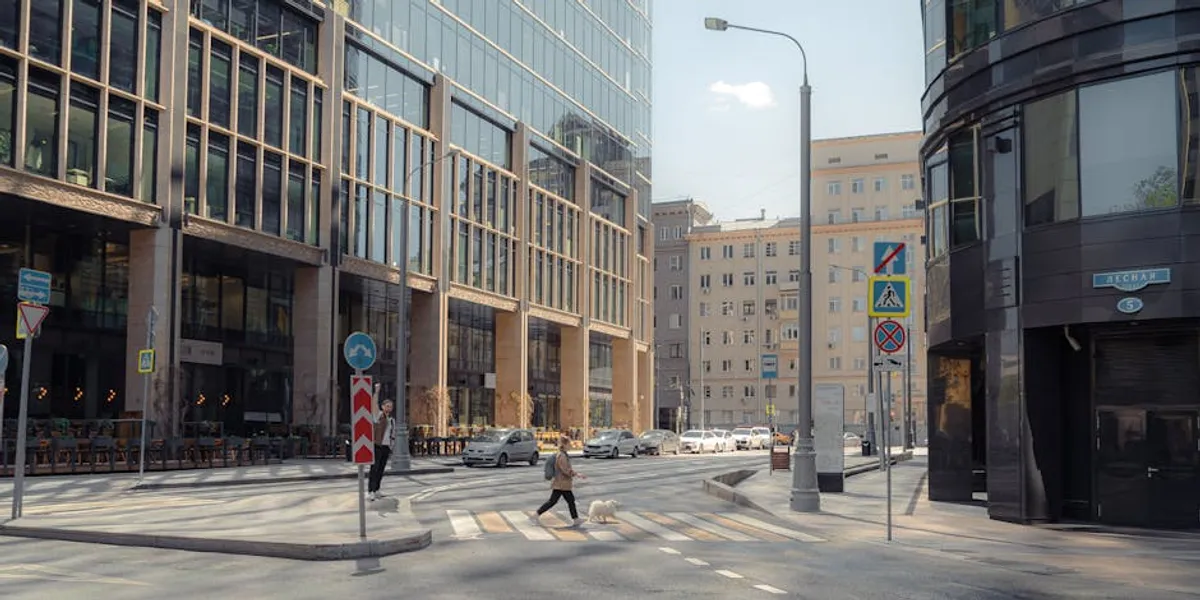
Effective urban planning increasingly recognizes that prioritizing pedestrians transforms public spaces from mere thoroughfares into vibrant community assets. Designing for pedestrians moves beyond simply providing sidewalks; it involves creating environments that are safe, comfortable, accessible, and engaging, fostering economic activity and enhancing quality of life. This approach acknowledges that walkable areas encourage local commerce, promote public health through increased physical activity, and build stronger community connections. For urban developers, city planners, and local businesses, understanding and implementing pedestrian-centric design principles is not just an amenity, but a fundamental investment in sustainable urban development and long-term vitality.
Understanding the Pedestrian Experience
Designing for pedestrians begins with empathy—understanding how people move, interact, and perceive their surroundings on foot. This involves considering both functional needs and psychological comfort.
Safety and Security as Foundational Elements
Pedestrians must feel safe from traffic and crime. Design elements that promote safety are non-negotiable:
- Clear Sightlines: Unobstructed views at intersections and along paths prevent collisions and enhance personal security by reducing hidden areas.
- Adequate Lighting: Well-distributed, appropriate-intensity lighting improves visibility during darker hours, deterring crime and preventing accidents. Consider full cutoff fixtures to minimize light pollution.
- Traffic Calming Measures: Speed bumps, raised crosswalks, curb extensions, and narrower traffic lanes compel drivers to reduce speed, making streets safer for crossing.
- Separation from Vehicular Traffic: Physical barriers, generous buffer zones, or grade separation (e.g., pedestrian bridges or underpasses) protect pedestrians from vehicles where necessary, though at-grade crossings with appropriate controls are often preferred for connectivity.
Comfort and Convenience Factors
Beyond safety, comfort and convenience dictate whether a pedestrian route is regularly used or actively avoided. These elements encourage longer stays and repeat visits:
- Shade and Shelter: Trees, awnings, and arcades provide protection from sun, rain, and wind, making outdoor spaces usable in various weather conditions.
- Seating Options: Benches, ledges, and other resting spots are crucial, especially for older adults, parents with young children, and individuals with mobility challenges. Placement should consider views and accessibility.
- Wayfinding Signage: Clear, consistent, and intuitive signage helps pedestrians navigate, indicating distances, points of interest, and public transport options.
- Accessible Amenities: Public restrooms, water fountains, and waste receptacles contribute significantly to the overall user experience, reducing barriers to extended pedestrian activity.
Key Design Principles for Pedestrian Spaces
Integrating these principles ensures a holistic approach to creating truly pedestrian-friendly environments.
Prioritizing Walkability and Connectivity
Walkability is about more than just having sidewalks; it's about creating a network that makes walking the most logical and pleasant option for short-to-medium distances.
Best for: Fostering local commerce and reducing reliance on vehicular transport.
- Fine-Grained Urban Fabric: Smaller block sizes and a dense network of streets and alleys offer more direct routes and varied experiences, reducing the perception of distance.
- Continuous Pedestrian Networks: Sidewalks should be uninterrupted by parking lots, driveways, or major roadways without safe crossing points.
- Mixed-Use Development: Integrating residential, commercial, and public spaces within walking distance reduces the need for driving and activates streets throughout the day.
Enhancing Visual Interest and Engagement
A visually stimulating environment encourages exploration and extends dwell time, benefiting adjacent businesses.
Best for: Attracting visitors and supporting retail activity.
- Active Ground Floors: Buildings with transparent facades, storefronts, and entrances directly facing the street create interaction and avoid blank walls that deter walking.
- Public Art and Landscaping: Sculptures, murals, decorative paving, and well-maintained green spaces add aesthetic appeal and provide points of interest.
- Architectural Variety: Diverse building styles, materials, and scales prevent monotony and give a distinct character to different areas.
Integrating Green Infrastructure and Shade
Green elements are vital for environmental benefits and pedestrian comfort, especially in urban heat islands.
Best for: Mitigating urban heat, improving air quality, and enhancing aesthetic appeal.
- Street Trees: Mature trees provide significant shade, reduce ambient temperatures, absorb stormwater, and contribute to a more pleasant walking experience.
- Permeable Paving: Materials like permeable asphalt or pavers allow rainwater to infiltrate the ground, reducing runoff and replenishing groundwater.
- Bioretention Areas: Rain gardens and vegetated swales manage stormwater, filter pollutants, and add greenery.
Ensuring Accessibility for All Users
Universal design principles ensure that spaces are usable by people of all ages and abilities, expanding the potential user base.
Best for: Inclusivity and maximizing the user base of public spaces.
- Curb Ramps: Smooth transitions at all curb cuts are essential for wheelchair users, strollers, and those with mobility aids.
- Tactile Paving: Textured surfaces at crosswalks and transit stops warn visually impaired pedestrians of changes in elevation or proximity to traffic.
- Clear Path of Travel: Maintaining a minimum clear width (typically 4-5 feet) on sidewalks, free from obstructions like street furniture, signs, or overhanging vegetation.
Implementing Pedestrian-Friendly Infrastructure
Specific infrastructure choices directly impact pedestrian experience and safety.
Sidewalk Design and Material Choices
The foundation of any pedestrian network is its sidewalks. Their design must balance durability, aesthetics, and functionality.
Considerations:
- Width: Sidewalks should be wide enough to accommodate anticipated pedestrian volumes, allowing for passing, lingering, and accommodating street furniture without creating bottlenecks. Minimum widths often range from 5 to 10 feet depending on context.
- Materials: Durable, slip-resistant materials like concrete, brick pavers, or natural stone are preferred. Maintenance ease and long-term cost should also be factored.
- Buffer Zones: A buffer zone between the sidewalk and the street (e.g., tree planting strips, street furniture zones) provides a sense of separation and safety from traffic.
Crosswalks, Signals, and Traffic Calming
Safe crossing opportunities are critical for network connectivity.
Key elements:
- Marked Crosswalks: Clearly delineated crosswalks, especially at intersections, enhance pedestrian visibility. Raised crosswalks further emphasize pedestrian priority and slow traffic.
- Pedestrian Signals: Clearly timed and visible pedestrian signals, including countdown timers, empower pedestrians to cross safely. Leading pedestrian intervals (LPIs) give pedestrians a head start before vehicle traffic proceeds.
- Curb Extensions (Bulb-outs): Extending the curb into the street at intersections shortens crossing distances and improves sightlines for both pedestrians and drivers.
Street Furniture and Amenities
Thoughtfully placed street furniture enhances comfort and usability.
Examples:
- Benches: Placed at regular intervals, especially near transit stops, public spaces, and retail areas.
- Bike Racks: Encourage multi-modal transport and reduce sidewalk clutter.
- Waste Receptacles: Essential for maintaining cleanliness and public hygiene.
- Information Kiosks: Provide local maps, event information, or historical context.
Pro Tip: When designing for pedestrians, always conduct a "walk audit" of the proposed or existing area from a pedestrian's perspective. This firsthand experience reveals critical issues—like inadequate lighting, confusing signage, or uncomfortable waiting areas—that might be overlooked in plans or aerial views. Involve diverse community members in these audits to capture a broader range of needs and preferences, moving beyond theoretical assumptions to practical, user-centered solutions.
Measuring the Impact of Pedestrian Design
The success of pedestrian-focused design can be quantified through various metrics that demonstrate its commercial and social value:
- Foot Traffic Counts: Increased pedestrian volumes indicate greater use and vibrancy.
- Retail Sales and Occupancy Rates: Businesses in highly walkable areas often report higher sales and lower vacancy rates.
- Property Values: Properties in pedestrian-friendly neighborhoods frequently command higher values.
- Public Health Metrics: Reductions in obesity rates and chronic diseases linked to increased physical activity.
- Community Engagement: Higher attendance at public events, increased social interactions, and a stronger sense of community.
- Environmental Impact: Reduced vehicle miles traveled, lower emissions, and improved air quality.
Building Better Pedestrian Environments
Designing for pedestrians is an ongoing process that requires continuous observation, adaptation, and community engagement. The benefits extend beyond individual comfort, contributing to more resilient economies, healthier populations, and more cohesive communities. By systematically integrating safety, comfort, connectivity, and aesthetic appeal into urban planning, cities and developers can create spaces that genuinely serve their residents and visitors, fostering environments where people choose to walk, linger, and engage.
Frequently Asked Questions
What is the primary goal of pedestrian-centric design?
The primary goal is to create urban environments where walking is a safe, comfortable, convenient, and enjoyable mode of transport and recreation, ultimately enhancing urban vitality and quality of life.
How does pedestrian design influence local economies?
Pedestrian-friendly areas encourage foot traffic, which directly supports local retail, restaurants, and services, leading to increased sales, higher property values, and a more robust local economy.
What are common pitfalls to avoid in pedestrian design?
Common pitfalls include designing solely for vehicular traffic, neglecting maintenance of pedestrian infrastructure, failing to provide adequate shade or seating, creating disconnected pedestrian networks, and overlooking accessibility requirements for all users.
Can existing car-centric areas be transformed into pedestrian-friendly spaces?
Yes, through strategic interventions such as traffic calming, widening sidewalks, adding green infrastructure, improving crosswalks, integrating mixed-use developments, and prioritizing public transit connections, existing areas can be significantly enhanced for pedestrians.