
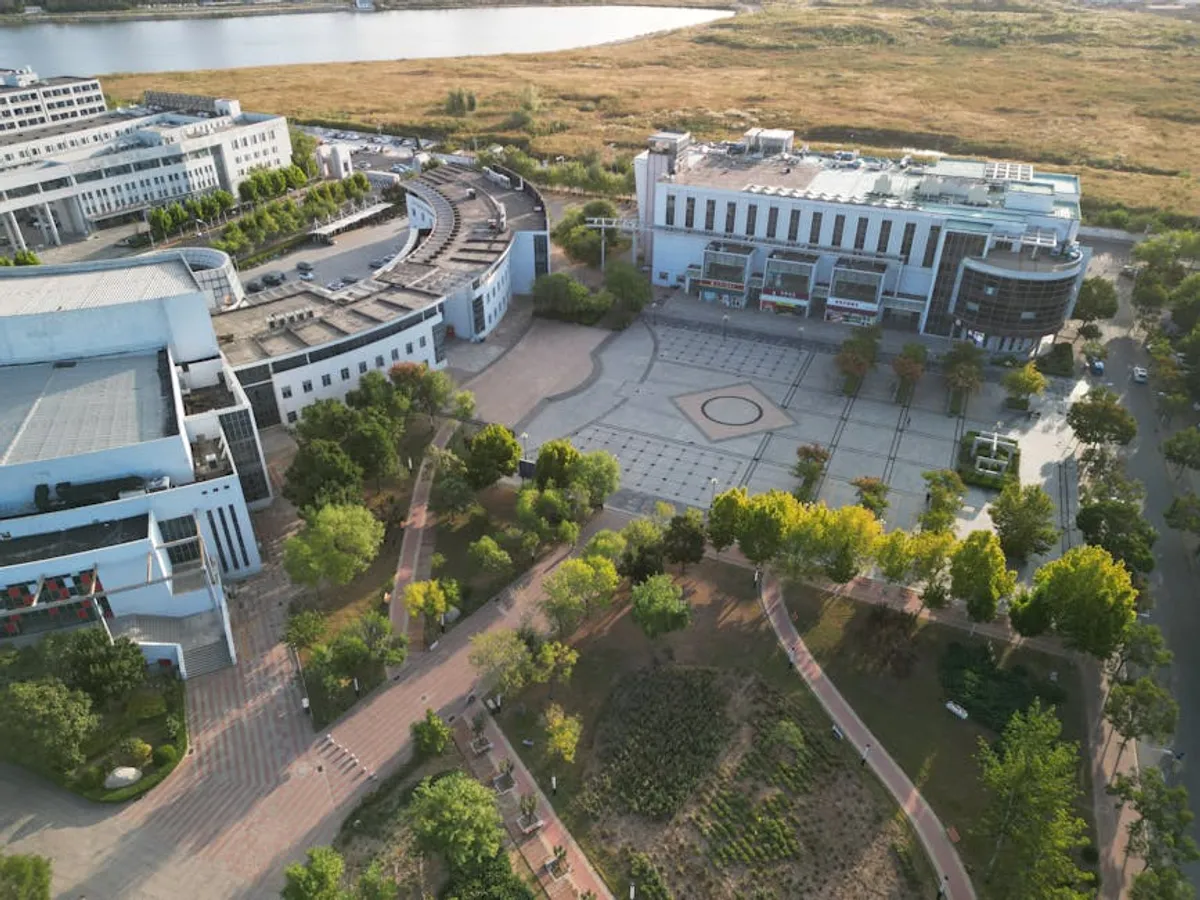
Selecting the right urban planning books is crucial for anyone seeking to understand, shape, or critique the built environment. The field is multidisciplinary, encompassing sociology, economics, architecture, environmental science, and public policy. Therefore, the most impactful books often offer unique lenses through which to view the complexities of urban development. For practitioners, policy-makers, academics, or engaged citizens, the value lies in gaining foundational theories, historical context, practical methodologies, and critical perspectives that inform effective decision-making and innovative solutions. The choice of literature directly influences one's conceptual framework, problem-solving approaches, and ability to contribute meaningfully to urban discourse.
How to Select Essential Urban Planning Books
Choosing the most relevant urban planning books requires a clear understanding of your specific learning objectives and professional focus. The field is broad, ranging from historical analyses to future-oriented technological applications. Consider whether your primary interest lies in theoretical frameworks, practical design guidelines, policy implications, or critical socio-economic critiques. Evaluate if you need foundational texts that establish core principles or contemporary works addressing current challenges like climate change, social equity, or smart city technologies. Look for authors who are recognized authorities in their sub-fields, as their insights often stem from extensive research and practical experience. Balance classic, foundational texts with newer publications to ensure a well-rounded perspective that respects historical context while embracing modern advancements and challenges. Finally, assess the book's scope—some offer broad overviews, while others delve into specific case studies or methodologies, each serving different educational or professional needs.
1. Jane Jacobs, The Death and Life of Great American Cities
This seminal work challenges conventional urban planning wisdom of the mid-20th century, particularly the top-down, automobile-centric approaches that led to urban decay. Jacobs champions the vitality of mixed-use neighborhoods, dense street life, and spontaneous social interaction as essential ingredients for safe, vibrant, and economically healthy cities. Her observations, rooted in the everyday life of Greenwich Village, argue for organic urban development over grand, often destructive, master plans.
Best For: Anyone seeking a foundational critique of modernist planning, advocates for community-led development, and those interested in the social dynamics of urban spaces.
Pros:
- Presents a compelling, human-centered vision of urbanism.
- Introduced concepts like "eyes on the street" and "mixed primary uses" that remain highly influential.
- Accessible prose, making complex urban theories understandable to a broad audience.
- Serves as a powerful counter-narrative to large-scale urban renewal projects.
Cons:
- Primarily focused on older, established American cities, which may limit direct applicability to newer or rapidly developing urban contexts.
- Some critics argue it romanticizes certain urban conditions and may not fully address issues of scale or regional planning.
- Lacks explicit discussion of environmental sustainability, a major contemporary concern.
Verdict: An indispensable classic that fundamentally shifted urban planning discourse towards human experience and local context. Its core arguments for diversity, density, and walkable neighborhoods remain profoundly relevant.
2. Kevin Lynch, The Image of the City
Lynch’s work explores how people perceive and navigate urban environments, introducing concepts like "paths," "edges," "districts," "nodes," and "landmarks" as key elements that contribute to a city's "legibility." Through studies of Boston, Jersey City, and Los Angeles, he demonstrates how a clear mental map of a city enhances a resident's sense of place and orientation. This book provides a framework for understanding and designing cities that are easily understood and memorable.
Best For: Urban designers, architects, landscape architects, and planners focused on creating intuitive and memorable public spaces and cityscapes.
Pros:
- Introduced a systematic vocabulary for analyzing urban form from a cognitive perspective.
- Provides practical tools for evaluating and improving the legibility of urban environments.
- Emphasizes the importance of user experience in design, beyond purely functional considerations.
- Influential in shaping urban design pedagogy and practice.
Cons:
- Focuses heavily on visual and spatial elements, potentially overlooking social or economic dimensions of urban experience.
- The case studies are specific to mid-20th century American cities, which may require adaptation for different cultural or historical contexts.
- Primarily descriptive, offering less prescriptive guidance on policy or implementation.
Verdict: A foundational text for understanding how people interact with and interpret urban spaces, offering timeless insights into creating more navigable and meaningful cities.
3. Jan Gehl, Cities for People
Building on decades of observational studies, Gehl advocates for urban design that prioritizes human interaction, walking, and cycling. He presents a compelling case for creating cities at a human scale, emphasizing the importance of public spaces that encourage people to linger, meet, and engage. The book is rich with empirical data and illustrative examples from cities worldwide, demonstrating how subtle design changes can profoundly impact urban vitality and quality of life.
Best For: Urban designers, public space advocates, municipal planners, and anyone interested in creating more walkable, bikeable, and livable cities.
Pros:
- Provides concrete, evidence-based principles for human-centered urban design.
- Features numerous international case studies and detailed diagrams illustrating successful interventions.
- Strong emphasis on pedestrian and cyclist infrastructure, promoting active transportation.
- Highly practical and actionable for urban development projects.
Cons:
- Some critics argue its focus on Western European examples may not always translate directly to diverse global contexts.
- While advocating for public life, it may not fully delve into the socio-economic inequalities that affect who can access and enjoy these spaces.
- Less emphasis on large-scale infrastructure or regional planning issues.
Verdict: An essential guide for crafting urban environments that genuinely serve their inhabitants, offering a clear roadmap for fostering vibrant public life through thoughtful design.
4. Lewis Mumford, The City in History: Its Origins, Its Transformations, and Its Prospects
Mumford's monumental work offers a comprehensive historical and philosophical exploration of the city, tracing its evolution from ancient settlements to modern metropolises. He examines how cities reflect and shape human civilization, culture, technology, and power structures. More than just a historical account, it's a critical analysis of urban form and function, arguing for a more humane and ecologically balanced approach to urban development.
Best For: Urban historians, philosophers, cultural critics, and planners seeking a deep, long-term perspective on the role of cities in human society.
Pros:
- Provides unparalleled historical depth and breadth, covering millennia of urban development.
- Offers a profound philosophical critique of urbanism, linking physical form to societal values.
- Interdisciplinary approach, drawing insights from history, sociology, architecture, and technology.
- Challenges readers to consider the ethical and existential implications of urban growth.
Cons:
- The sheer scope and detail can be dense and challenging for readers unfamiliar with historical scholarship.
- Published in 1961, some of its contemporary critiques of modern cities may feel dated in specific details, though its overarching themes remain relevant.
- Less focused on practical planning methodologies or contemporary policy issues.
Verdict: A towering intellectual achievement that provides an essential historical and philosophical grounding for understanding the enduring significance and persistent challenges of urban life.
5. Edward Glaeser, Triumph of the City: How Our Greatest Invention Makes Us Richer, Smarter, Greener, Healthier, and Happier
Glaeser, an urban economist, presents a robust defense of cities as engines of human progress. He argues that density, proximity, and the free flow of ideas in urban environments are critical for innovation, economic growth, and even environmental sustainability. Through economic analysis and historical examples, Glaeser challenges anti-urban sentiments and advocates for policies that foster urban growth, reduce regulatory barriers, and enhance urban amenities.
Best For: Economists, policymakers, urban developers, and anyone interested in the economic rationale and benefits of urbanization.
Pros:
- Offers a strong, data-driven economic perspective on the advantages of cities.
- Challenges common misconceptions about urban decline and environmental impact.
- Advocates for policy reforms that support urban density and economic dynamism.
- Provides a counter-narrative to critiques of urban sprawl and congestion.
Cons:
- Focuses heavily on economic metrics, potentially downplaying social equity or environmental justice concerns.
- Some critics argue it oversimplifies complex urban problems by prioritizing economic efficiency.
- May not fully address the challenges of rapid urbanization in developing countries.
Verdict: A powerful and provocative argument for the enduring importance of cities as centers of innovation and opportunity, offering a compelling economic framework for urban policy.
6. Peter Calthorpe & William Fulton, The Regional City: Planning for the End of Sprawl
This book advocates for a regional approach to urban planning, moving beyond isolated city-centric models to address the broader metropolitan landscape. Calthorpe and Fulton champion "New Urbanism" principles applied at a regional scale, emphasizing transit-oriented development (TOD), mixed-use communities, and the preservation of open space. They provide a framework for integrating housing, transportation, and environmental goals across entire metropolitan areas to create more sustainable and equitable regions.
Best For: Regional planners, urban designers, policymakers, and environmental advocates focused on combating sprawl and promoting sustainable regional development.
Pros:
- Offers a practical vision for integrating urban design with regional planning.
- Provides concrete strategies for implementing transit-oriented development and mixed-use communities.
- Strong emphasis on environmental sustainability and open space preservation.
- Features illustrative examples and case studies of regional planning efforts.
Cons:
- Implementing regional plans often faces significant political and jurisdictional hurdles not fully detailed.
- The focus on New Urbanism principles may not appeal to all planning philosophies.
- Achieving the proposed density and transit infrastructure requires substantial investment and political will.
Verdict: A crucial text for understanding how to plan beyond individual parcels, offering actionable strategies for creating more coherent, sustainable, and equitable metropolitan regions.
7. Charles Montgomery, Happy City: Transforming Our Lives Through Urban Design
Montgomery explores the intricate connections between urban design and human well-being, drawing on insights from psychology, neuroscience, and urban planning. Through a global journey, he investigates how city design influences our emotions, social connections, and overall happiness. The book argues that by prioritizing human needs—such as connection, autonomy, and access to nature—cities can be designed to foster greater joy and contentment among their residents.
Best For: Urban designers, public health professionals, policymakers, and anyone interested in the psychological and social impacts of urban environments.
Pros:
- Engaging and accessible narrative, blending personal anecdotes with scientific research.
- Highlights the often-overlooked psychological dimension of urban living.
- Offers practical design principles aimed at enhancing well-being and social cohesion.
- Features diverse examples from cities worldwide, illustrating various approaches to fostering happiness.
Cons:
- "Happiness" can be a subjective and complex metric, making direct measurement and universal application challenging.
- While advocating for human-centered design, it may not fully address structural inequalities that impact access to "happy" urban features.
- Some solutions might be more applicable to affluent cities or communities.
Verdict: A compelling and optimistic exploration of how urban design can profoundly impact individual and collective well-being, providing a powerful argument for prioritizing human experience in city planning.
8. Mike Davis, City of Quartz: Excavating the Future in Los Angeles
Davis offers a searing, critical examination of Los Angeles, dissecting its history, politics, and urban form to expose underlying power structures and inequalities. He argues that LA represents a dystopian future of fortified enclaves, surveillance, and social stratification, driven by real estate interests and a fear of the poor. This book is a powerful critique of neoliberal urbanism and its social consequences, using LA as a microcosm for broader global trends.
Best For: Urban sociologists, critical urban theorists, political scientists, and anyone interested in the dark side of urban development and inequality.
Pros:
- Provides a provocative and deeply researched critical analysis of urban power dynamics.
- Exposes the social and economic inequalities embedded in urban landscapes.
- Offers a powerful counter-narrative to celebratory accounts of urban growth.
- Influential in critical urban studies and understanding the complexities of social control in cities.
Cons:
- Focuses heavily on Los Angeles, which, while illustrative, may not fully represent all urban contexts.
- The tone is often polemical and pessimistic, which some readers may find overwhelming.
- Offers more critique than prescriptive solutions for urban problems.
Verdict: A crucial, albeit challenging, read for understanding the political economy of cities and the often-hidden forces that shape urban inequality and conflict.
9. Timothy Beatley, Biophilic Cities: Integrating Nature into Urban Design and Planning
Beatley introduces the concept of "biophilic cities," urban environments that are rich in nature and deeply connected to the natural world. He argues that integrating nature into cities is not merely an aesthetic choice but essential for human health, well-being, and ecological sustainability. The book showcases numerous examples of cities worldwide that are successfully weaving green infrastructure, biodiversity, and natural systems into their urban fabric, from vertical gardens to urban forests and wildlife corridors.
Best For: Environmental planners, landscape architects, sustainability professionals, and urban designers seeking to create greener, healthier, and more resilient cities.
Pros:
- Provides a compelling case for the essential role of nature in urban environments.
- Offers a wide array of practical examples and strategies for integrating biophilia into urban planning.
- Highlights the multiple benefits of urban nature, including ecological, health, and economic advantages.
- Promotes a holistic view of urban ecosystems and human connection to nature.
Cons:
- Implementing extensive biophilic elements can be costly and requires significant political and community buy-in.
- Some strategies may be more feasible in certain climates or urban densities than others.
- While advocating for nature, it may not fully address the challenges of equitable access to green spaces in all communities.
Verdict: An inspiring and practical guide for transforming cities into vibrant, ecologically rich places that foster human health and connection with the natural world.
10. Anthony Townsend, Smart Cities: Big Data, Civic Hackers, and the Quest for a New Utopia
Townsend explores the rise of "smart cities," examining how digital technologies, big data, and ubiquitous connectivity are reshaping urban governance, infrastructure, and daily life. He delves into the promises and perils of this technological transformation, from improving efficiency and sustainability to raising concerns about privacy, surveillance, and digital divides. The book provides a balanced perspective on the potential for technology to create more responsive and livable cities, alongside the ethical and practical challenges.
Best For: Technology policymakers, urban innovators, municipal leaders, and anyone interested in the intersection of technology and urban development.
Pros:
- Offers a comprehensive overview of the smart city movement, its history, and its future.
- Balances optimistic visions with critical assessments of potential pitfalls.
- Explores a wide range of technological applications, from sensors to civic hacking.
- Provides a framework for understanding the complex relationship between technology, governance, and urban life.
Cons:
- The rapid pace of technological change means some specific examples or technologies discussed may quickly become outdated.
- The ethical implications of data collection and surveillance are complex and warrant continuous scrutiny beyond the scope of a single book.
- Implementing smart city solutions often requires significant investment and expertise, which may not be universally available.
Verdict: A timely and insightful analysis of how technology is reshaping urban environments, providing essential context for navigating the opportunities and challenges of the smart city era.
11. Mindy Thompson Fullilove, Root Shock: How Tearing Up City Neighborhoods Hurts America, And What We Can Do About It
Fullilove, a psychiatrist and urbanist, introduces the concept of "root shock" to describe the traumatic stress and psychological damage inflicted on communities by forced displacement and urban renewal projects. Through powerful narratives and historical analysis, she illustrates how the destruction of neighborhoods disrupts social networks, cultural identity, and individual well-being. The book advocates for healing and rebuilding communities with dignity, emphasizing the importance of place attachment and social cohesion.
Best For: Social justice advocates, community organizers, urban planners, and policymakers grappling with issues of displacement, gentrification, and urban trauma.
Pros:
- Introduces a crucial psychological framework ("root shock") for understanding the human cost of urban change.
- Provides a powerful, empathetic voice for marginalized communities affected by urban renewal.
- Highlights the importance of social and cultural factors in urban planning, beyond physical infrastructure.
- Offers insights into restorative justice and community-led rebuilding efforts.
Cons:
- Focuses heavily on the negative impacts of past planning decisions, offering less prescriptive guidance for future large-scale development.
- Addressing root shock requires deep community engagement and systemic change, which can be challenging to implement.
- The historical examples are primarily American, which may require contextualization for international readers.
Verdict: A profoundly important book that shifts the focus of urban planning towards the human and social consequences of displacement, urging a more compassionate and community-centered approach.
12. Richard Florida, The Rise of the Creative Class
Florida's influential work posits that a new "creative class"—comprising scientists, engineers, artists, designers, and knowledge workers—is the key driver of economic growth in the 21st century. He argues that cities and regions that successfully attract and retain this creative talent thrive economically. The book outlines the importance of tolerance, diversity, and amenities that appeal to this class, suggesting that urban planning should prioritize creating vibrant, inclusive, and culturally rich environments.
Best For: Economic development professionals, city marketers, urban policymakers, and anyone interested in the intersection of culture, talent, and urban economies.
Pros:
- Introduced influential concepts that shaped economic development strategies globally.
- Highlights the importance of cultural amenities, diversity, and quality of life in attracting talent.
- Provides a framework for understanding the economic transformation of post-