
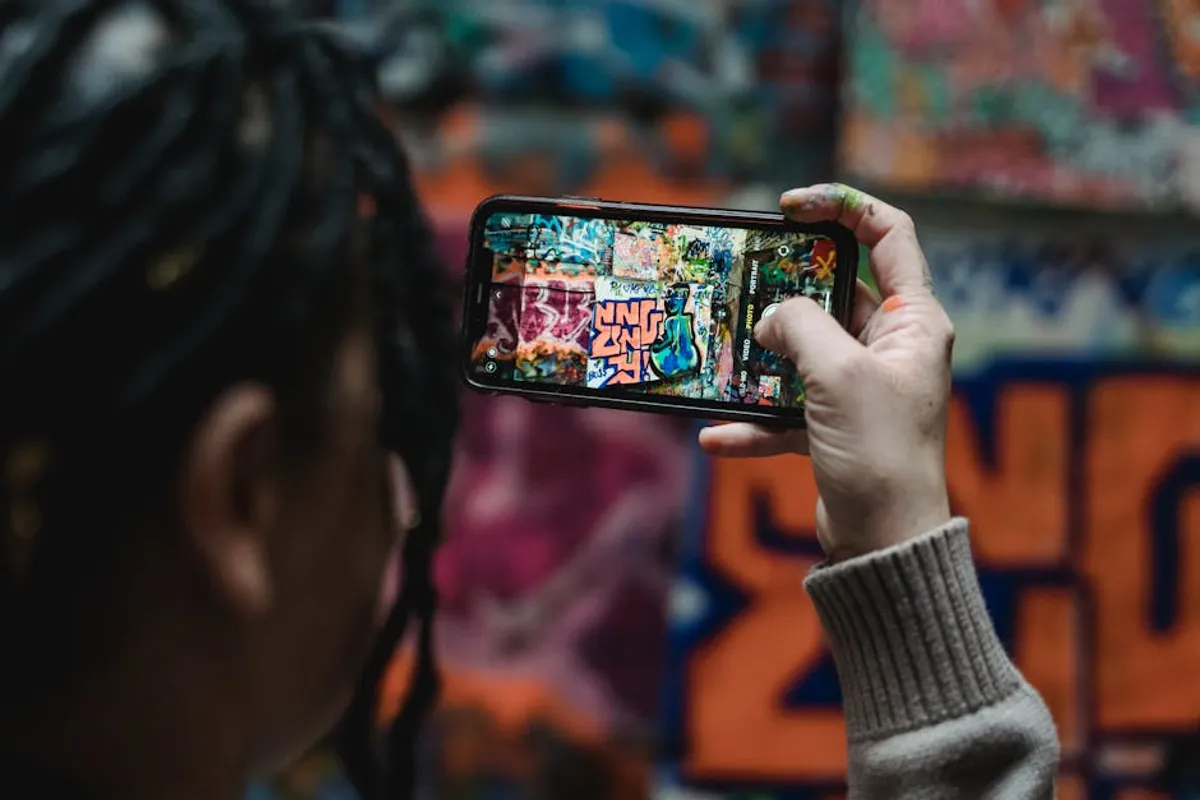
Understanding the role of street art, specifically murals, within modern city culture moves beyond mere aesthetic appreciation. For urban planners, community developers, marketers, and property owners, recognizing how these large-scale public artworks function is crucial for strategic engagement. Murals are not just decorative; they are economic drivers, social commentators, and identity markers, influencing everything from tourism revenue to community cohesion and property values. This guide explores the tangible ways murals shape urban environments, offering a framework for assessing their impact and leveraging their potential in a commercially aware context. This guide explores the tangible ways murals shape urban environments, offering a framework for assessing their impact on urban culture and city life.
The Evolving Definition of Street Art and Murals
Street art, a broad category, encompasses various forms of unsanctioned and sanctioned public art. Murals, distinguished by their often large scale and direct application to walls, represent a significant segment within this. Historically, murals served as public narratives, from ancient cave paintings to Mexican muralism movements. In contemporary cities, their purpose has diversified, moving beyond simple beautification to complex roles in urban branding, social commentary, and economic development.
Beyond Graffiti: Intent and Scale
While often grouped with graffiti, murals frequently differ in intent, execution, and public perception. Graffiti, traditionally characterized by tags and rapid execution, often prioritizes individual expression and can be unsanctioned. Murals, conversely, are typically planned, often commissioned, and executed with a specific artistic vision or community message in mind. Their scale demands significant time, resources, and often, explicit permission. This distinction is vital for stakeholders considering public art initiatives, as the legal and social implications vary considerably.
Public vs. Private Patronage
The funding and commissioning of murals reflect their dual nature. Public patronage often comes from city councils, cultural institutions, or non-profit organizations, aiming for civic improvement, historical commemoration, or community engagement. Private patronage, on the other hand, includes property owners, businesses, and developers who commission murals for branding, property enhancement, or as part of larger urban regeneration projects. The source of patronage often dictates the mural's theme, longevity, and public access, directly impacting its commercial and cultural footprint.
Murals as Catalysts for Urban Revitalization
The strategic placement of murals can significantly contribute to urban revitalization efforts, transforming neglected areas into vibrant cultural hubs. This transformation often yields measurable economic and social benefits.
Boosting Local Economies: Tourism and Business
Cities like Miami's Wynwood Walls or Philadelphia's Mural Arts Program demonstrate how murals draw visitors, creating "art tourism" circuits. These visitors frequent local businesses—cafes, shops, galleries—leading to increased foot traffic and revenue. For businesses, a prominent mural on their facade or nearby can act as a unique landmark and a powerful marketing tool, differentiating them in a competitive urban landscape. The visual appeal generated by murals can also attract new businesses, contributing to an area's economic density and diversity.
Transforming Neglected Spaces
Murals provide a cost-effective method for rejuvenating underutilized or dilapidated urban spaces. A blank, decaying wall can become a focal point, deterring vandalism and fostering a sense of pride among residents. This visual uplift often precedes broader redevelopment, signaling investment and care in an area. For property developers, commissioning murals can be a strategic move to increase property desirability and value, especially in emerging neighborhoods, by contributing to a positive aesthetic and cultural narrative.
Cultural Narratives: Murals as Public Storytellers
Beyond their economic impact, murals serve as powerful vehicles for cultural expression, reflecting and shaping the identity of a city and its inhabitants.
Reflecting Community Identity and History
Many murals are explicitly designed to tell stories—of local history, prominent figures, or community values. They can act as collective memory banks, preserving heritage and fostering a shared sense of belonging. For residents, these artworks can reinforce identity, while for visitors, they offer authentic insights into the local culture, moving beyond generic tourist attractions. This authentic representation is a valuable asset for cities aiming to cultivate a distinct brand identity.
Addressing Social and Political Themes
Murals frequently engage with contemporary social and political issues, acting as public forums for dialogue and reflection. From environmental concerns to calls for social justice, these artworks can raise awareness, provoke thought, and even mobilize communities. This aspect positions murals not just as art but as active components of civic discourse, capable of influencing public opinion and contributing to social change. For organizations involved in advocacy or community outreach, murals offer a visible, impactful medium for message dissemination.
Commercial Applications: Brands and Public Art
The commercial sector increasingly recognizes the power of murals for brand engagement, marketing, and corporate social responsibility initiatives.
Commissioning Murals for Brand Engagement
Brands utilize murals to connect with audiences on a deeper, more localized level than traditional advertising. A mural can be a permanent, high-impact advertisement that integrates into the urban fabric, generating organic buzz and social media sharing. Companies commission murals for product launches, to enhance retail spaces, or to visually communicate their brand values. The key is to ensure the artwork aligns authentically with the brand's message and resonates with the local community, avoiding perceptions of overt commercialism.
Navigating Authenticity in Commercial Murals
The line between art and advertisement in commercial murals can be delicate. Successful commercial murals integrate brand identity subtly, focusing on artistic merit and community relevance rather than explicit sales pitches. Engaging local artists, reflecting neighborhood themes, and supporting community initiatives through the mural project can enhance authenticity. Conversely, murals perceived as purely commercial or out of touch with local culture risk backlash, undermining their intended positive impact.
Pro Tip: When commissioning a mural, thoroughly research the artist's portfolio and ensure their style aligns with your project's objectives and the community's aesthetic. A mismatch can lead to public dissatisfaction and undermine the mural's intended impact, requiring costly revisions or removal.
Preservation and Longevity: Sustaining Urban Art
The ephemeral nature of street art presents unique challenges for preservation, requiring strategic planning to ensure longevity and continued impact.
Challenges of Maintenance and Vandalism
Murals are exposed to environmental elements, pollution, and potential vandalism, necessitating ongoing maintenance. Anti-graffiti coatings, regular cleaning, and prompt repair of damage are crucial for preserving their appearance and message. Funding for maintenance often needs to be factored into the initial project budget, as neglect can quickly degrade the artwork and diminish its value to the community.
- Secure appropriate permissions and long-term site access agreements.
- Invest in high-quality, durable materials and protective coatings.
- Establish a maintenance schedule and budget for cleaning and repairs.
- Document the mural extensively through high-resolution photography and video.
- Engage the local community in the mural's care and appreciation.
Digital Archiving and Documentation
Given the physical vulnerabilities of murals, digital archiving becomes essential. High-resolution photography, 3D scanning, and virtual reality tours can preserve murals digitally, ensuring their artistic and historical record endures even if the physical artwork does not. This digital footprint also allows for wider accessibility, educational use, and ongoing study of urban art movements, extending the mural's cultural reach beyond its physical location.
Engaging with Urban Murals: A Practical Approach
For city stakeholders, businesses, and community leaders, a practical approach to urban murals involves strategic planning, community engagement, and long-term vision. This means moving beyond reactive responses to proactive initiatives that integrate public art into urban development frameworks. Consider the potential for murals to define neighborhood character, attract investment, and foster social cohesion, treating them as integral components of a vibrant, commercially viable urban landscape. Successful mural projects are not just about painting a wall; they are about investing in a city's cultural capital and future.
Frequently Asked Questions
What is the primary difference between graffiti and a mural?
Graffiti often involves spontaneous, unsanctioned markings, typically text-based tags, prioritizing individual expression. Murals are generally planned, larger-scale artworks, often commissioned, with a specific theme or message, executed with permission.
How do murals contribute to a city's economy?
Murals attract tourists, increasing foot traffic for local businesses, and can enhance property values. They contribute to a positive urban aesthetic, making areas more desirable for residents and commercial enterprises, thus stimulating local spending and investment.
Who typically commissions large-scale murals?
Commissioners include city governments, cultural non-profits, property owners, real estate developers, and businesses. Their motivations range from civic beautification and community engagement to branding and property enhancement.
What are the main challenges in preserving street art murals?
Challenges include exposure to environmental damage (weather, pollution), vandalism, and the inherent impermanence of outdoor art. Maintenance costs, material degradation, and changing urban landscapes also pose significant hurdles to long-term preservation.