
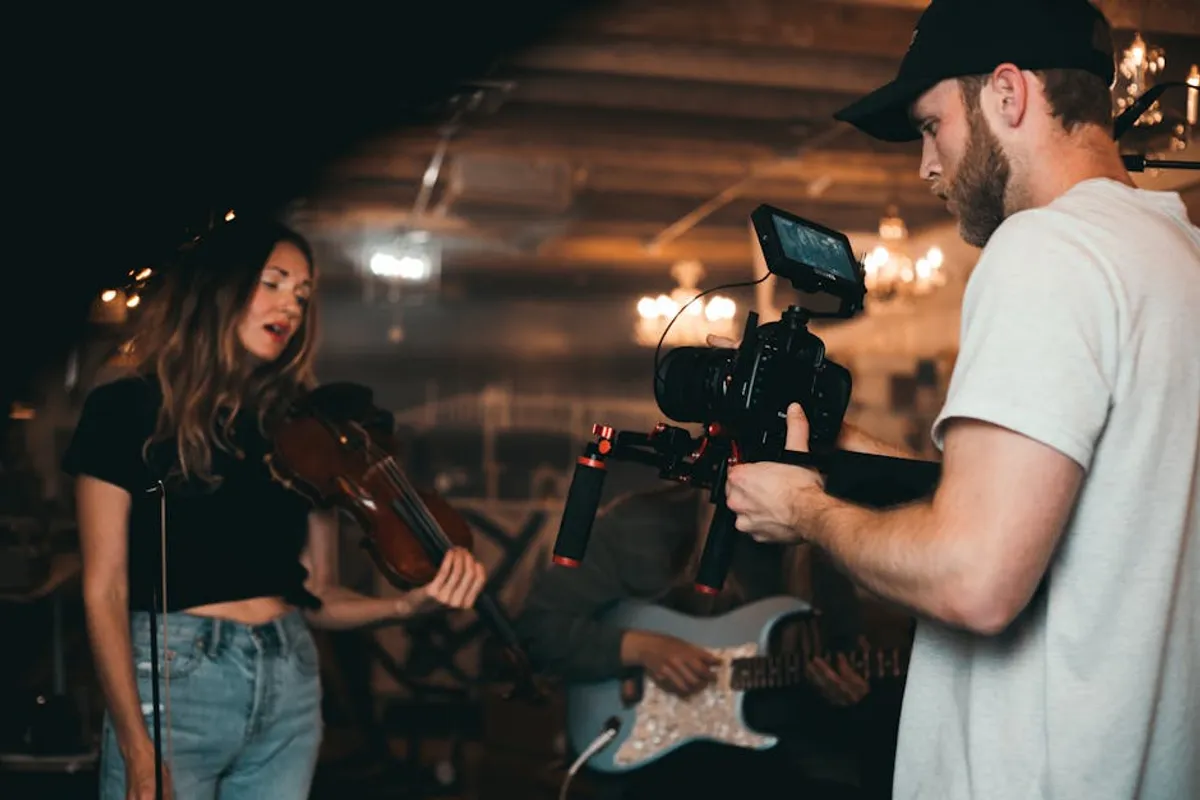
Understanding the intricate relationships between music, film, and visual art offers a significant advantage for creators, marketers, and content strategists aiming to build deeper audience engagement and more resonant commercial narratives. These distinct artistic disciplines rarely operate in isolation; instead, they continuously borrow, adapt, and transform elements from one another, creating a richer, multi-sensory experience. Recognizing these influences allows for more intentional creative direction, more compelling brand storytelling, and the development of content that transcends a single medium to resonate on multiple levels. For agencies and publishers, this interdisciplinary insight translates into more innovative campaign development and a more sophisticated approach to content production that captures attention and fosters lasting connections.
The Foundational Interplay of Music and Film
Music and film have a symbiotic relationship, where sound often dictates the emotional landscape and narrative pacing of visual storytelling. The deliberate choice of a musical score can fundamentally alter audience perception of a scene, shifting from tension to relief, joy to sorrow, without a single line of dialogue.
Music as Narrative Driver in Film
Film scores are not merely background noise; they are active participants in the narrative. A composer's use of leitmotifs—recurring musical themes associated with specific characters, ideas, or locations—provides immediate emotional cues and builds narrative cohesion across an entire film. Consider the distinct themes for Darth Vader or Indiana Jones; these musical motifs instantly convey character presence, impending action, or emotional state. The tempo and instrumentation of a score can also foreshadow events, create suspense, or underscore character development. A rapid, discordant orchestral piece signals danger, while a soaring, melodic string arrangement elevates a moment of triumph. This direct manipulation of audience emotion through sound is a powerful tool for filmmakers to guide interpretation and deepen immersion.
Film's Visual Rhythm and Musical Structure
Beyond direct scoring, film often adopts structural principles from music. The rhythm of editing, for instance, can mirror musical dynamics. Fast cuts and rapid scene changes can evoke a frenetic, high-energy pace akin to an allegro movement, while long takes and slow pans create a contemplative, adagio feel. Visual composition, color grading, and camera movement also contribute to this musicality. A director might choreograph a scene with the precision of a dance, where character movements and camera sweeps align with the underlying musical beat, creating a harmonious, almost synesthetic experience for the viewer. This conscious integration of visual and auditory rhythm ensures a cohesive and impactful narrative flow.
Visual Art's Influence on Cinematic and Musical Expression
Visual art, in its static forms, provides a rich vocabulary of composition, color, and symbolism that filmmakers and musicians frequently draw upon to enhance their work.
Cinematography as Moving Canvas
Cinematography is essentially painting with light and motion. Directors of photography routinely reference art history for inspiration, translating principles of painting, sculpture, and photography into moving images. For example:
- Composition: The rule of thirds, leading lines, and framing techniques prevalent in classical painting are fundamental to shot composition in film, directing the viewer's eye and establishing hierarchy.
- Color Theory: The deliberate use of color palettes—warm tones for intimacy, cool tones for isolation—directly derives from visual art. German Expressionist cinema, for instance, used stark contrasts and distorted perspectives, influenced by Expressionist painters, to convey psychological states.
- Lighting and Chiaroscuro: The dramatic use of light and shadow, perfected by painters like Caravaggio, is a cornerstone of film noir, creating mood, mystery, and depth that define genres.
These visual artistic foundations allow filmmakers to create aesthetically rich and symbolically layered scenes, communicating subtext without dialogue.
Album Art, Music Videos, and Artistic Collaboration
Visual art extends the reach of music beyond the auditory. Album covers serve as immediate visual representations of an artist's sound and identity, often becoming iconic in their own right. Think of Pink Floyd's 'Dark Side of the Moon' prism or The Beatles' 'Sgt. Pepper's Lonely Hearts Club Band' cover; these images are inseparable from the music they represent. Music videos, too, are short films that blend cinematic techniques with visual art, often employing abstract imagery, narrative storytelling, or performance art to interpret and amplify a song's message. Collaborations between musicians and visual artists—whether for stage design, costume, or digital installations—create immersive experiences that blur the lines between disciplines, offering a holistic artistic statement.
Synthesizing Sensory Experiences: Cross-Pollination ExamplesThe cross-pollination between music, film, and visual art is a dynamic process where ideas, aesthetics, and emotional registers are constantly exchanged and reinterpreted.
Evoking Moods and Themes
A particular musical genre, such as ambient electronic music, might inspire a visual artist to create abstract paintings that explore texture and atmosphere. Conversely, a striking photograph or a piece of sculpture can spark a composer's imagination, leading to musical pieces that attempt to translate visual forms into sound. Filmmakers often use pre-existing visual art or music as direct inspiration for their projects, building entire worlds from a single painting or crafting scenes around a specific song's emotional core. This iterative process of inspiration leads to richer, more complex works that resonate across different sensory pathways.
Technology as a Catalyst
Digital technology has accelerated and expanded the possibilities for interdisciplinary art. Software for video editing, sound design, graphic animation, and virtual reality allows creators to seamlessly blend elements from all three art forms. Immersive experiences, such as interactive art installations that react to sound, or virtual concerts that incorporate elaborate visual landscapes, are direct products of this technological convergence. These platforms enable artists to create truly synesthetic works that challenge traditional boundaries and offer audiences novel ways to engage with artistic content.
Leveraging Interdisciplinary Understanding for Impact
For professionals in content creation, marketing, and publishing, a deep appreciation for the interplay of music, film, and visual art is more than academic; it's a strategic asset. Understanding how these forms influence each other enables the development of richer, more impactful content. For marketers, it means crafting campaigns where visual branding, jingles, and video narratives are harmoniously aligned, creating a memorable and emotionally resonant message. For content creators, it offers a broader palette of expressive tools, leading to more innovative storytelling and unique artistic outputs. Publishers can curate and present content in ways that highlight these connections, offering readers and viewers a more profound and contextualized experience. This interdisciplinary literacy fosters innovation and ensures content stands out in a crowded digital landscape, driving engagement and commercial success.
Frequently Asked Questions
How does understanding inter-art influence benefit creators?
It provides creators with a wider range of expressive tools and inspirations, allowing them to craft more layered narratives, evoke specific emotions more effectively, and produce content that resonates across multiple sensory dimensions, leading to more innovative and impactful work.Can visual art directly inspire musical composition?
Absolutely. Composers frequently draw inspiration from visual art, translating the mood, color palettes, forms, or narratives found in paintings, sculptures, or photographs into musical structures, harmonies, and melodies. This process can lead to unique sonic interpretations of visual concepts.What role does technology play in this cross-pollination?
Technology acts as a powerful catalyst, providing tools for seamless integration of different art forms. Digital audio workstations, video editing software, animation tools, and virtual reality platforms enable artists to combine music, film, and visual art into new, immersive, and interactive experiences that were previously impossible.Are there commercial applications for this interdisciplinary knowledge?
Yes, significant commercial applications exist. Marketers can create more cohesive and emotionally compelling campaigns by aligning visual branding, musical scores, and video narratives. This integrated approach enhances brand recall, deepens consumer engagement, and helps products or services stand out in competitive markets through richer storytelling.