Mixed-use development represents a fundamental shift in urban planning and real estate investment, moving beyond single-purpose zoning to create integrated, dynamic environments. For developers, investors, and municipal planners, understanding this model is critical for navigating contemporary market demands and achieving long-term project viability. It involves combining residential, commercial, cultural, institutional, or industrial uses into a single building or a series of buildings within a defined area. This approach aims to foster economic synergy, enhance community vibrancy, and optimize land use, directly impacting revenue streams, property values, and urban sustainability metrics.
Defining Mixed-Use Development
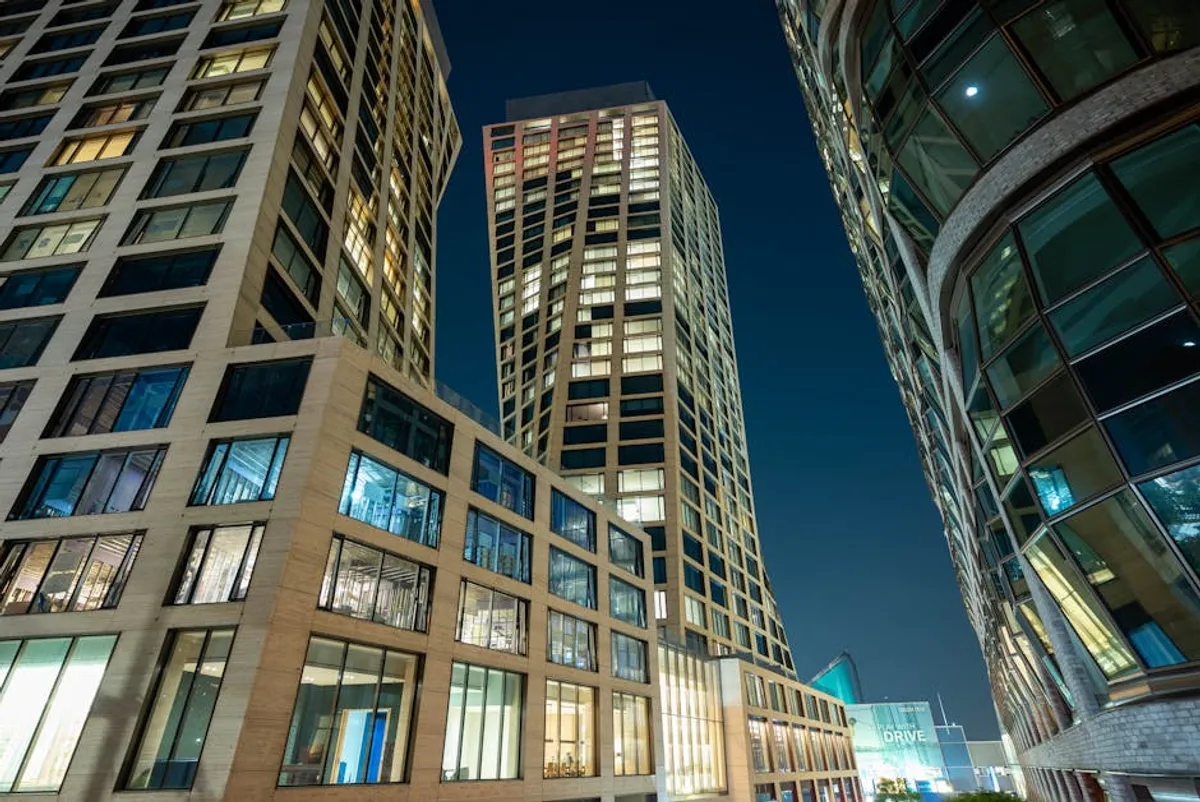
At its core, mixed-use development integrates diverse functions within a coherent physical framework. This integration can manifest in various forms, from a single high-rise building containing ground-floor retail, office space, and residential units above (vertical mixed-use), to a master-planned district with distinct zones for housing, retail, and public amenities (horizontal mixed-use). The objective is to create environments where people can live, work, shop, and recreate without extensive travel, thereby reducing reliance on private vehicles and enhancing local economic activity.
Key Components and Structural Variations
Successful mixed-use projects typically incorporate several key components, carefully balanced to support each other. These often include:
- Residential: Apartments, condominiums, townhouses, catering to various income levels and demographics.
- Retail: Shops, restaurants, cafes, grocery stores, providing convenience and drawing foot traffic.
- Office: Commercial office space, co-working facilities, attracting daytime populations.
- Hospitality: Hotels, serviced apartments, supporting business and tourism.
- Civic/Cultural: Libraries, theaters, community centers, parks, enhancing quality of life and public engagement.
- Industrial (light): Maker spaces, small-scale production, integrating employment opportunities.
The structural variations dictate how these components interact. Vertical integration maximizes density in urban cores, while horizontal integration allows for more sprawling, campus-like developments, often seen in suburban or exurban contexts. Nodal mixed-use focuses on creating distinct activity centers within a larger area, each with its own mix of uses.
Commercial Benefits and Economic Impact
The commercial rationale for mixed-use development is compelling, offering multiple advantages for developers, investors, and local economies.
Diversified Revenue Streams: Combining retail, residential, and office spaces mitigates risk. A downturn in one sector might be offset by resilience in another, providing a more stable income profile for investors. Lease terms also vary, creating a staggered income flow.
Increased Property Values: Proximity to amenities, services, and employment opportunities makes mixed-use properties highly desirable. This convenience translates into higher rental rates and property values compared to single-use developments in isolated areas. The synergy between uses means a vibrant retail scene can attract residents, and residents, in turn, support local businesses.
Reduced Infrastructure Costs: For municipalities, concentrating development in mixed-use nodes reduces the need for extensive new infrastructure (roads, utilities) in undeveloped areas. This efficient use of existing infrastructure can lead to significant cost savings and more sustainable urban growth patterns.
Enhanced Foot Traffic and Synergy: Residential populations provide a built-in customer base for retail and services, while office workers contribute to daytime activity. This constant flow of people creates a vibrant street life, enhancing the overall appeal and commercial viability of the district. Restaurants thrive from both residents and office workers, and retail benefits from spontaneous visits.
Urban Planning and Social Advantages
Beyond economics, mixed-use developments offer significant benefits for urban planning and community well-being.
Walkability and Reduced Vehicle Dependence: By placing daily necessities and workplaces within walking or cycling distance, these developments inherently promote healthier lifestyles and reduce traffic congestion and carbon emissions. This creates more pedestrian-friendly environments, fostering a sense of place.
Community Building and Vibrancy: The concentration of diverse activities and people fosters social interaction and a stronger sense of community. Public spaces, parks, and cultural venues become natural gathering points, enhancing civic engagement and local identity. The constant activity deters crime and creates a safer, more welcoming environment.
Housing Diversity and Affordability: Mixed-use projects can incorporate a range of housing types and price points, from luxury condominiums to affordable apartments, addressing diverse demographic needs and promoting social equity within a neighborhood. This diversity can help prevent socio-economic segregation.
Environmental Sustainability: Reduced sprawl, efficient land use, and decreased reliance on automobiles contribute to a smaller environmental footprint. Many mixed-use projects also integrate green building practices, public transit access, and shared amenities, further enhancing their ecological benefits.
Pro Tip: When evaluating mixed-use development opportunities, pay close attention to the local zoning code and community master plans. Discrepancies between current regulations and the proposed mixed-use vision can lead to protracted approval processes and significant cost overruns. Early engagement with planning departments and local stakeholders is critical to identify potential roadblocks and align project goals with municipal objectives.
Key Elements for Successful Mixed-Use Projects
The success of a mixed-use development hinges on several critical factors that extend beyond mere component integration.
Strategic Location: Proximity to public transit, existing urban centers, or areas with strong demographic growth is paramount. A location that naturally attracts diverse users minimizes the effort required to create vibrancy.
Thoughtful Programming: The mix of uses must be carefully curated to create synergy, not conflict. For example, noisy entertainment venues might not be ideal directly below residential units without significant soundproofing. The retail mix should cater to both residents and external visitors.
Integrated Design: Architectural coherence, pedestrian-friendly streetscapes, and high-quality public spaces are essential. The design should encourage interaction, provide clear wayfinding, and create an appealing aesthetic that enhances the user experience across all functions.
Effective Management: A unified management strategy is crucial for maintaining the quality, cleanliness, and security of the entire development. This includes managing shared amenities, resolving tenant conflicts, and fostering a positive environment for all users.
Community Engagement: Involving local residents, businesses, and community groups throughout the planning and development process can build support, address concerns, and ensure the project genuinely serves the needs of the wider neighborhood.
Maximizing Value in Mixed-Use Developments
To ensure a mixed-use development delivers its full potential, stakeholders must adopt a long-term, holistic perspective. For developers, this means conducting thorough market research to validate the proposed mix of uses, securing flexible financing, and partnering with experienced architects and urban planners. Investors should prioritize projects with strong anchor tenants, diverse income streams, and a clear vision for community integration. Municipalities, in turn, should streamline permitting processes for well-conceived mixed-use projects and invest in supporting infrastructure like public transit and green spaces. The goal is to create not just buildings, but self-sustaining ecosystems that adapt and thrive over time, continuously generating economic and social value for all involved parties.
Frequently Asked Questions
What is the primary goal of mixed-use development?
The primary goal is to create vibrant, walkable, and sustainable communities by integrating residential, commercial, and often civic functions into a single, cohesive area, reducing reliance on single-purpose zoning and vehicle travel.
How do mixed-use developments benefit local economies?
They boost local economies by diversifying revenue streams for developers, increasing property values, attracting new businesses and residents, and fostering a dynamic environment that encourages spending and job creation within the community.
What are the main challenges in developing mixed-use projects?
Key challenges include navigating complex zoning regulations, securing financing for multi-faceted projects, ensuring harmonious design integration, and effectively managing diverse tenant needs and public spaces within the development.
Can mixed-use developments help with urban sprawl?
Yes, by concentrating development and diverse functions into compact, walkable areas, mixed-use projects efficiently utilize land, reduce the need for outward expansion, and thus play a significant role in mitigating urban sprawl.