
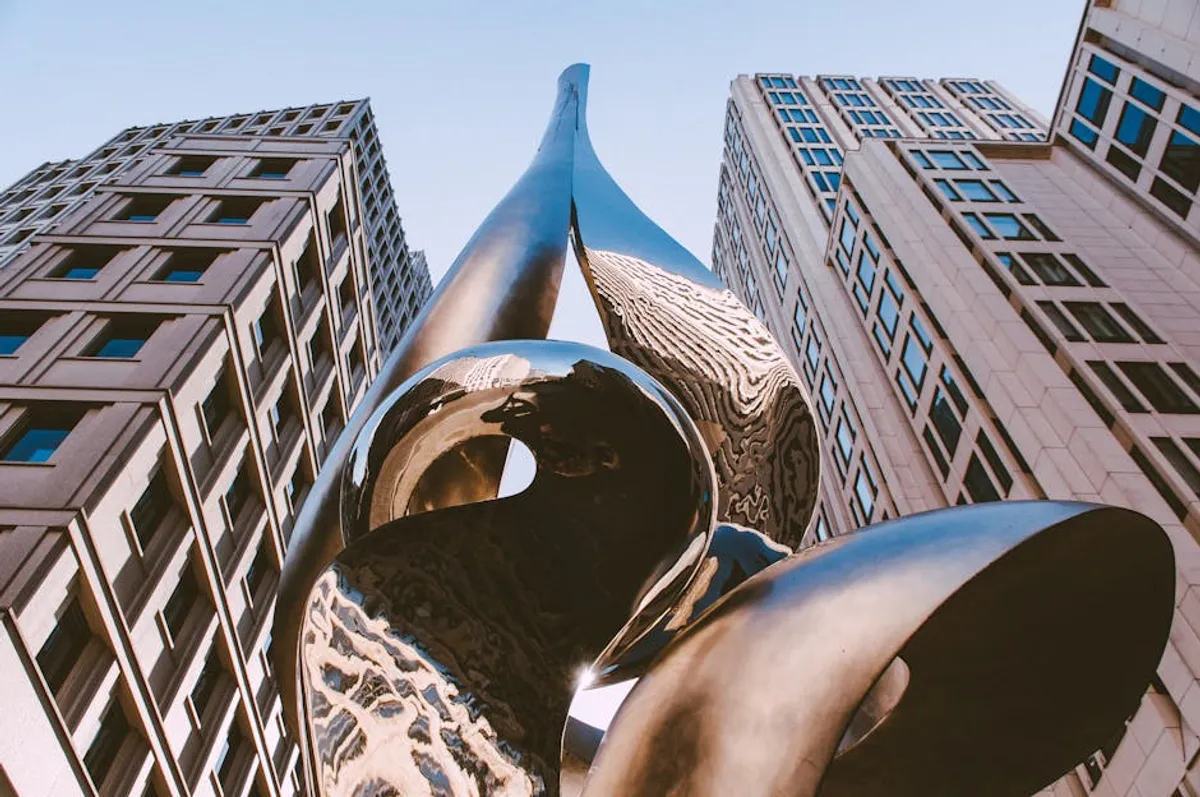
Public art, often perceived as a purely aesthetic addition, functions as a potent catalyst for urban transformation, converting nondescript public spaces into distinctive, memorable landmarks. For urban planners, real estate developers, and city marketers, understanding this transition from 'ordinary street' to 'destination' is critical. It moves beyond mere beautification to a strategic investment in placemaking, cultural capital, and economic development. The deliberate integration of art can fundamentally alter perception, drive foot traffic, and foster a unique identity that resonates with both residents and visitors, yielding tangible commercial benefits and enhancing civic pride. This distinction is key for urban planners, as they consider the difference between street art and murals when integrating art into cityscapes.
The Commercial Imperative of Public Art
Public art is not merely an expense; it is an asset with a demonstrable return on investment when strategically deployed. Its commercial utility stems from its capacity to differentiate urban environments, creating unique selling propositions for districts and developments that might otherwise blend into the urban sprawl.
Beyond Decoration: Economic Catalysts
Well-conceived public art installations act as economic drivers by drawing visitors and encouraging longer dwell times. This increased presence translates directly into heightened patronage for surrounding businesses, including retail, hospitality, and dining establishments. For real estate, proximity to significant public art can elevate property values and rental rates, making an area more desirable for residents and commercial tenants alike. The initial investment in art often triggers a multiplier effect, stimulating local economies through increased consumer spending and job creation in related sectors like maintenance, tourism, and cultural programming.
Economic benefits often include:
- Increased foot traffic in commercial zones.
- Higher consumer spending at local businesses.
- Enhanced property values and rental income.
- Stimulation of local tourism and cultural industries.
- Creation of unique photo opportunities, generating organic social media promotion.
Place Branding and Identity Creation
A city or neighborhood's identity is often defined by its most recognizable features. Public art provides a powerful, visual shorthand for place branding. A distinctive sculpture, mural, or installation can become synonymous with a location, serving as a navigational beacon and a symbol of its cultural character. This branding effect is invaluable for marketing efforts, attracting new businesses, residents, and tourists who seek authentic and vibrant urban experiences. It imbues a sense of uniqueness that generic infrastructure cannot replicate, turning a street corner into a celebrated meeting point or a forgotten alley into an artistic pathway.
Strategic Integration: From Concept to Landmark
The success of public art in creating landmarks hinges on thoughtful planning and integration, rather than arbitrary placement. It requires a clear vision of how the art will interact with its environment and its audience.
Curating for Impact: Intentional Design Choices
Effective public art is curated with purpose, considering the site's history, community demographics, and desired future narrative. The choice of artist, medium, scale, and theme must align with the broader urban development goals. An installation designed to reflect local heritage or celebrate a community's values will resonate more deeply and achieve greater landmark status than a piece placed without contextual consideration. This intentionality ensures the art becomes an integral part of the urban fabric, not just an add-on.
Pro Tip: When evaluating public art proposals, prioritize projects that demonstrate a clear narrative connection to the site's history, community aspirations, or architectural context. Art that feels organically integrated into its surroundings achieves landmark status more readily than standalone pieces lacking contextual relevance. This ensures long-term resonance and avoids transient appeal.
Activating Public Realms: Engagement and Interaction
Landmarks are not just seen; they are experienced. Public art that encourages interaction, contemplation, or gathering transforms passive viewing into active engagement. Interactive sculptures, immersive light installations, or murals that invite reflection can activate underutilized plazas, parks, or streetscapes. By providing a focal point for social activity, these artworks foster a sense of community ownership and pride, making the space feel more vibrant, safer, and more frequented. This engagement often extends to digital realms, as visitors share their experiences, further amplifying the art's reach and the location's prominence.
Quantifying the Return: Measuring Art's Value
Measuring the precise impact of public art can be complex, but various metrics offer insights into its commercial and cultural contributions.
Visitor Economy and Footfall Metrics
For areas seeking to boost their visitor economy, public art provides a measurable draw. Footfall cameras, mobile data analytics, and visitor surveys can track increases in pedestrian traffic around art installations. Correlating these metrics with sales data from nearby businesses offers a direct indication of economic uplift. Event-driven art initiatives can also be assessed by ticket sales, hotel occupancy rates, and local spending spikes, providing concrete data for stakeholders and future funding justification.
Media Impressions and Cultural Capital
A striking public artwork often generates significant media attention, from local news features to international travel blogs and social media shares. Tracking media mentions, social media engagement (likes, shares, comments, geotags), and user-generated content provides a measure of its reach and impact on destination branding. This earned media translates into valuable, authentic promotion that far exceeds the cost of traditional advertising. Beyond immediate economic returns, public art contributes to a city's cultural capital, enhancing its reputation as a creative, forward-thinking, and livable place, which can attract talent and investment over the long term.
Blueprint for Transformative Art Initiatives
To successfully leverage public art for landmark creation, a structured approach is essential. This involves:
- Community Engagement: Involve local residents and businesses early in the conceptualization phase to ensure relevance and foster buy-in.
- Strategic Site Selection: Choose locations that maximize visibility, accessibility, and potential for interaction, often in areas ripe for revitalization.
- Curatorial Vision: Develop a clear artistic brief that aligns with urban development goals, whether it's historical commemoration, contemporary expression, or ecological awareness.
- Funding and Partnerships: Secure diverse funding streams (public, private, grants) and forge partnerships with cultural institutions, developers, and local authorities.
- Maintenance and Longevity Planning: Budget for ongoing maintenance and conservation to ensure the artwork remains a lasting asset and landmark.
- Impact Measurement: Establish clear metrics from the outset to track economic, social, and cultural impacts over time.
By treating public art as a strategic investment rather than a mere amenity, cities and developers can unlock its full potential to transform ordinary streets into vibrant, economically robust, and culturally rich landmarks.
Common Questions on Public Art and Urban Development
What is the primary commercial benefit of public art?
The primary commercial benefit of public art is its ability to increase foot traffic and dwell time in urban areas, directly boosting sales for surrounding businesses, enhancing property values, and contributing to a stronger local visitor economy.
How does public art contribute to place branding?
Public art creates unique visual identifiers for a location, making it memorable and distinct. These artworks become symbols that define a neighborhood or city's cultural identity, attracting tourism and investment by communicating a specific character or ethos.
Can public art revitalize underutilized spaces?
Yes, strategically placed public art can transform neglected or underutilized public spaces into vibrant hubs. By providing a focal point for engagement and interaction, art encourages people to gather, linger, and interact, thereby increasing safety and economic activity in previously dormant areas.
What factors ensure public art becomes a lasting landmark?
For public art to become a lasting landmark, it requires strong community engagement, strategic site selection, a clear curatorial vision, robust funding for both creation and long-term maintenance, and an intentional design that resonates deeply with the local context and aspirations.