Artists navigating the digital landscape face a distinct challenge: leveraging social media for visibility and connection without diluting their unique artistic voice. The pressure to conform to trending content formats, chase ephemeral engagement metrics, or constantly produce for algorithms can inadvertently erode the very authenticity that defines an artist's work. The strategic use of social media, however, positions these platforms not as creative constraints, but as powerful extensions of the artist's studio and exhibition space, enabling direct connection with patrons and peers while preserving core artistic integrity.
Defining Your Artistic Voice in a Digital Space
Before any content is published, artists must articulate their core artistic identity. This clarity is the foundation for all subsequent social media strategy, ensuring that online presence consistently reflects offline practice.
Core Message and Aesthetic
Identify the central themes, recurring motifs, and emotional resonance within your body of work. What message are you consistently conveying? What visual or auditory language is uniquely yours? This goes beyond surface-level style; it delves into the underlying philosophy and intention behind your creations. For example, a painter known for vibrant, abstract landscapes might focus their social media on conveying freedom and natural energy, using colors and compositions that mirror their canvas work. A musician specializing in experimental electronic soundscapes might prioritize sharing snippets of their creative process, highlighting the technical innovation and emotional depth of their compositions.
Audience and Intent
Understand who your art speaks to and why. Are you seeking collectors, collaborators, fellow artists, or a broader audience interested in cultural commentary? Your content strategy should align with these intentions. If the goal is to attract high-end collectors, then polished, gallery-quality presentations of finished works, perhaps with accompanying narratives about inspiration and technique, will be more effective than casual, unfiltered snapshots. Conversely, if fostering a community of emerging artists is paramount, then behind-the-scenes glimpses, resource sharing, and interactive discussions might take precedence.
Strategic Platform Selection: Quality Over Quantity
Not every social media platform serves every artistic medium or objective. Prioritize platforms where your art naturally thrives and where your target audience congregates. This focused approach conserves valuable creative time and yields more meaningful engagement.
Visual-Centric Platforms
For visual artists (painters, sculptors, photographers, graphic designers), platforms like Instagram, Pinterest, and Behance are primary. These platforms are designed for image and short video content, allowing the art itself to be the immediate focal point. Success here hinges on high-resolution imagery, consistent aesthetic curation, and clear presentation of work. For instance, an artist showcasing intricate textile art would benefit from Instagram's carousel feature to display detail shots, alongside short videos demonstrating texture and scale.
Narrative-Driven Platforms
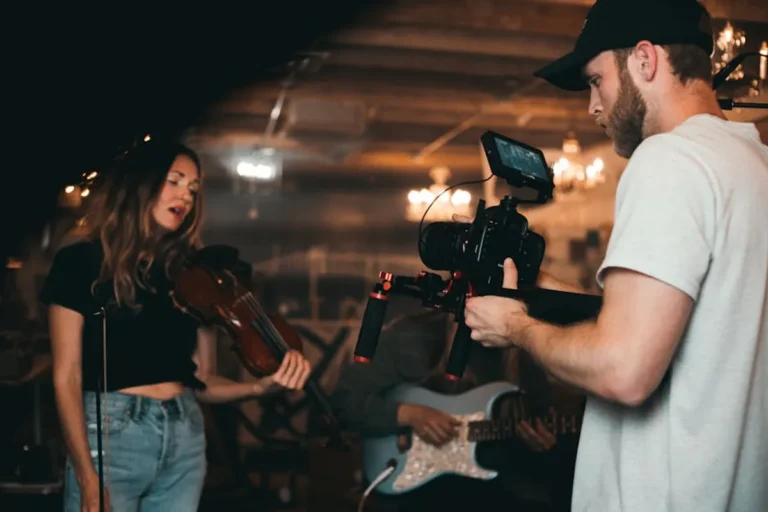
Artists whose work benefits from context, process, or extended storytelling (writers, musicians, performance artists, conceptual artists) may find more resonance on platforms like YouTube, TikTok, or even a personal blog linked from social profiles. These platforms support longer-form content, audio, and video, facilitating deeper dives into inspiration, technique, and artistic philosophy. A musician could use YouTube for full song performances, behind-the-lyrics explanations, or collaborative sessions, building a narrative around their musical journey.
- Consider your primary medium: Visual art benefits from image-heavy platforms; time-based art (music, performance) from video/audio platforms.
- Analyze audience demographics: Where does your ideal patron or collaborator spend their time online?
- Evaluate content capabilities: Does the platform allow you to present your art authentically (e.g., high-res images, long-form video, audio snippets)?
- Assess engagement style: Does the platform's typical interaction style align with how you wish to connect with your audience?
Content Creation That Reflects Authenticity
Authentic content goes beyond merely posting finished pieces. It involves sharing the journey, the thought process, and the humanity behind the art, without resorting to manufactured trends or persona.
Behind-the-Scenes and Process
Showcasing the making of your art provides insight and builds connection. This could include time-lapse videos of a painting coming to life, sketches and preliminary studies, or glimpses into your studio environment. These elements demystify the creative process, making the final work more accessible and appreciated. A ceramicist might share videos of wheel throwing, glazing techniques, or kiln firing, illustrating the skill and effort involved in each piece.
Storytelling and Context
Art rarely exists in a vacuum. Provide narratives that contextualize your work: the inspiration, the challenges overcome, the materials used, or the personal meaning embedded within. This depth transforms a passive viewing experience into an engaging intellectual and emotional one. For a writer, this might involve sharing excerpts from their notebook, discussing the research behind a historical novel, or reflecting on the emotional journey of character development.
Interactive Engagement
Foster genuine dialogue. Ask questions related to your art, invite feedback on works in progress, or host Q&A sessions about your creative practice. This builds community and allows your audience to feel invested in your journey. However, maintain control over the narrative; engage with comments that are constructive and relevant to your artistic vision, rather than attempting to appease every opinion.
Pro Tip: Resist the urge to chase every trending audio or content format if it doesn't genuinely align with your artistic voice. Forcing your art into a mismatched trend can feel inauthentic and confuse your audience, ultimately detracting from your unique brand identity.
Establishing Boundaries and Managing Expectations
To protect your creative well-being and artistic voice, clear boundaries around social media use are essential. This prevents burnout and ensures that digital demands do not overshadow core creative work.
Time Management and Digital Detox
Allocate specific times for social media engagement and content creation. Avoid constant checking or spontaneous posting, which fragments focus. Implement regular digital detox periods—hours, days, or even weeks—to disconnect from screens and reconnect with your creative source. This structured approach ensures social media serves your art, rather than consuming your artistic energy.
Handling Feedback and Criticism
Social media exposes artists to a wide range of opinions. Develop a filter for feedback: distinguish between constructive criticism that can genuinely inform your growth and subjective negativity that should be disregarded. Your artistic voice is yours; it is not a democracy. Engage thoughtfully with feedback that resonates, but do not allow external opinions to dictate your creative direction or compromise your core message.
Measuring Impact Beyond Vanity Metrics
For artists, true social media success extends beyond likes and follower counts. Focus on metrics that indicate genuine connection, interest, and commercial potential.
Track engagement rates (comments, shares, saves) on posts that showcase your art or process. Monitor direct messages and website traffic originating from social platforms, looking for inquiries about commissions, sales, or collaborations. An increase in newsletter sign-ups or consistent attendance at virtual studio tours or online exhibitions are stronger indicators of a growing, engaged audience than superficial metrics. The goal is to cultivate a dedicated community that values your unique contribution, leading to tangible support for your artistic practice.
Cultivating Your Digital Presence Strategically
Leveraging social media effectively as an artist means approaching it with the same intentionality and vision applied to your art. Define your voice, select platforms strategically, create content that tells your authentic story, and establish boundaries to protect your creative space. By doing so, social media transforms from a potential distraction into a powerful, commercially viable tool for amplifying your unique artistic expression and connecting with those who truly appreciate it.
Frequently Asked Questions
How often should artists post on social media?
Consistency is more valuable than frequency. Aim for a schedule you can realistically maintain without compromising your creative output, typically 3-5 times per week for platforms like Instagram, or 1-3 times per week for longer-form content on YouTube. Prioritize quality and authenticity over constant presence.
Is it necessary for artists to engage with every comment?
No, it is not necessary to respond to every single comment. Focus on engaging with comments that offer thoughtful feedback, ask genuine questions, or express sincere appreciation. This prioritizes meaningful interactions and conserves your time for creative work.
How can artists protect their work from unauthorized use on social media?
While complete protection is challenging, artists can use watermarks, post lower-resolution images, and clearly state copyright information in their bios or post captions. Regularly monitor for unauthorized use and be prepared to issue takedown notices if your work is used without permission.
Can artists sell their work directly through social media without being overly commercial?
Yes, by integrating sales subtly and authentically. Share stories behind pieces that are available for purchase, link to your online shop in your bio or via swipe-up features (if available), and announce new collections with genuine enthusiasm. The focus should remain on the art and its story, with sales as a natural extension of audience interest.