Local magazine sites serve as critical hubs for community information, connecting residents with activities that define their cultural landscape. For publishers, featuring cultural events extends beyond simple listings; it’s an opportunity to build authority, drive traffic, and foster deep community engagement. The decision of which cultural events to prioritize for coverage involves assessing their potential for sustained audience interest, local relevance, and commercial viability.
Effective event features generate evergreen content potential, attract local advertisers, and position the magazine as an indispensable resource. This requires a strategic approach, moving past merely announcing dates to creating rich, contextual content that captures the essence and impact of each event type. Prioritizing events that resonate with specific local demographics and offer diverse content angles ensures maximum return on editorial investment.
What to Look For in Cultural Event Features
When evaluating cultural events for editorial focus, local magazine sites should consider several key factors to maximize impact and engagement:
- Audience Relevance and Engagement: Does the event appeal directly to the magazine’s core readership? Events with broad local appeal or strong niche interest within the community tend to perform better. Look for events that encourage user-generated content, discussion, or repeat attendance.
- Content Longevity and Depth: Can the event generate content beyond a single announcement? Features that allow for pre-event interviews, historical context, post-event recaps, photo galleries, or recurring annual coverage offer greater editorial depth and SEO value.
- Partnership and Sponsorship Potential: Does the event attract local businesses or organizations that could become advertisers or content collaborators? Events with established local backing often present opportunities for sponsored content, ad placements, or cross-promotional activities.
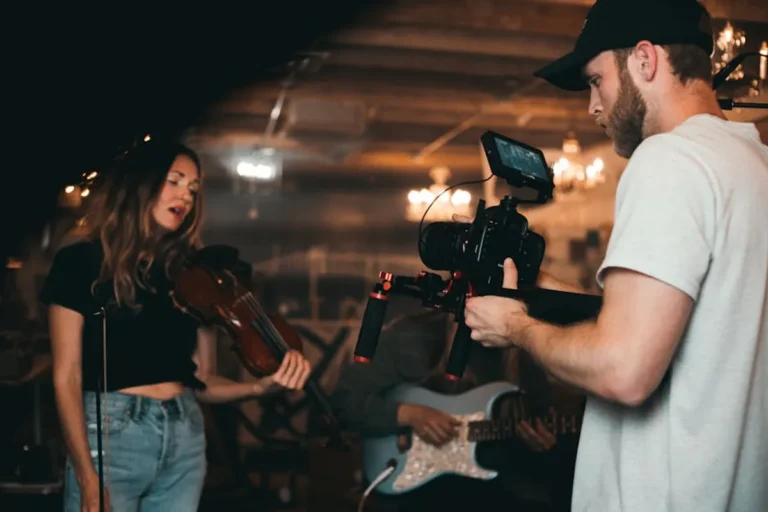
- Visual Appeal and Shareability: Is the event inherently photogenic or video-friendly? High-quality visual content drives social media engagement and can significantly boost organic reach. Events with unique aesthetics or dynamic performances are often strong candidates.
- SEO Opportunity: Do people search for this type of event locally? Evaluate potential keyword volume for event types, specific event names, and related activities. Events that occur regularly or have distinct local identifiers offer better long-term SEO benefits.
- Community Impact and Uniqueness: Does the event contribute significantly to local culture, economy, or social cohesion? Highlighting unique local traditions or events that support local artists and businesses reinforces the magazine’s role as a community champion.
1. Local Art Exhibitions (Galleries, Studios, Public Spaces)
Local art exhibitions, ranging from established gallery shows to pop-up studio displays and public art installations, offer a consistent stream of culturally rich content. These events highlight local talent, provide visual appeal, and often have opening receptions or artist talks that create distinct news hooks. Coverage can delve into the artists' backgrounds, the thematic context of the works, and the broader impact on the local arts scene.
Best for: Sites targeting an audience interested in visual arts, local creators, and community cultural development. Ideal for generating visually-driven content and artist profiles.
Pros:
- High visual content potential (photos, videos of artwork).
- Opportunities for artist interviews and deep dives into creative processes.
- Often recurring with new exhibits, providing continuous content opportunities.
- Supports local artists and galleries, fostering community goodwill.
- Can attract niche advertisers (art supply stores, framing shops, local boutiques).
Cons:
- Audience can be specialized, potentially limiting broad reach compared to mass events.
- Requires strong photography skills or access to high-quality images.
- Some smaller exhibitions may have limited promotional budgets, reducing co-marketing opportunities.
Verdict: A foundational content pillar for any local magazine aiming to showcase local creativity. Its visual nature and potential for recurring coverage make it a reliable choice for consistent engagement and SEO.
2. Community Music Festivals and Concert Series
Community music festivals, whether multi-day events or ongoing concert series in parks or local venues, are powerful magnets for local audiences. They celebrate diverse genres, often feature local bands alongside regional acts, and create a strong sense of collective experience. Coverage can include performer spotlights, genre deep dives, practical visitor guides, and post-event recaps with photo galleries.
Best for: Magazines looking to capture broad community interest, especially among younger demographics and families. Excellent for high-energy, shareable content.
Pros:
- Attracts large, diverse audiences, driving high page views.
- Strong potential for social media engagement and user-generated content.
- Opportunities for local business sponsorships (food vendors, craft brewers, local retailers).
- Often annual or seasonal, allowing for recurring content planning and SEO optimization.
- Can feature local talent, providing unique local angles.
Cons:
- Logistically complex to cover, especially large festivals, requiring significant editorial resources.
- High competition for coverage from other local media.
- Weather dependency can impact attendance and content quality for outdoor events.
Verdict: Essential for generating high-volume traffic and social buzz. The recurring nature and broad appeal make it a strategic event type for sustained audience engagement and advertising revenue.
3. Local Theater and Performing Arts Productions
Local theater, dance, and other performing arts productions offer sophisticated cultural content. From community theater groups to professional regional companies, these events provide opportunities for reviews, interviews with directors and actors, behind-the-scenes features, and discussions of the chosen works. They appeal to an audience seeking intellectual engagement and live entertainment.
Best for: Audiences interested in storytelling, live performance, and the craft of stage production. Ideal for in-depth reviews and profiles of local talent.
Pros:
- Allows for detailed critical reviews and thoughtful analysis.
- Opportunities to profile local actors, directors, and production staff.
- Often has a dedicated, loyal audience base.
- Provides evergreen content potential through discussions of classic plays or dance forms.
- Can attract advertising from local arts patrons or cultural organizations.
Cons:
- Audience can be more niche compared to music festivals.
- Requires writers with strong critical analysis and descriptive skills.
- Limited visual content opportunities during actual performances due to copyright/venue rules.
Verdict: A valuable addition for magazines aiming for intellectual depth and supporting the local performing arts community. Its capacity for critical engagement differentiates it from more purely entertainment-focused event types.
4. Historical Reenactments and Heritage Days
Events like historical reenactments, pioneer days, or cultural heritage festivals celebrate a community's past and traditions. They offer immersive experiences, educational opportunities, and often involve local historical societies and museums. Content can explore the historical significance, interview participants, and document the unique crafts and customs on display.
Best for: Engaging families, history enthusiasts, and those interested in local identity and education. Strong for creating educational and visually rich content.
Pros:
- High educational value, appealing to families and schools.
- Strong visual appeal with period costumes, crafts, and demonstrations.
- Often annual events, providing predictable content opportunities.
- Reinforces local identity and connection to the community's past.
- Can attract sponsorships from local historical groups, museums, or heritage-focused businesses.
Cons:
- Can be niche, potentially limiting broad appeal outside of specific demographics.
- Requires accurate historical research for credible content.
- Event quality can vary significantly, impacting content potential.
Verdict: Excellent for establishing a magazine's authority on local history and culture. These events offer unique storytelling angles and strong intergenerational appeal.
5. Local Food and Drink Festivals
Food and drink festivals, whether focused on specific cuisines, local produce, or craft beverages, are immensely popular. They celebrate culinary traditions, support local chefs and producers, and draw large crowds. Coverage can include profiles of participating vendors, recipes, tasting guides, and features on the local food scene's evolution.
Best for: Broad appeal across all demographics, especially those interested in gastronomy, local businesses, and social experiences. High potential for commercial partnerships.
Pros:
- Extremely high audience appeal and engagement.
- Numerous opportunities for local business partnerships and advertising (restaurants, breweries, farms).
- High potential for compelling visual content (food photography, crowd shots).
- Often annual, providing reliable content pillars.
- Drives significant traffic and social shares.
Cons:
- High competition for coverage from other local media and food blogs.
- Logistical challenges in covering large, crowded events.
- Requires strong photography to do the subject justice.
Verdict: A top-tier choice for driving traffic and revenue. The universal appeal of food and drink, combined with strong local business ties, makes these events a commercial powerhouse for local magazines.
6. Literary Readings and Book Fairs
Literary events, including author readings, book signings, poetry slams, and local book fairs, cater to a thoughtful, engaged audience. These events promote literacy, support local writers and bookstores, and offer opportunities for intellectual discourse. Content can feature author interviews, book reviews, discussions of literary trends, and coverage of local writing communities.
Best for: Audiences interested in literature, local authors, and intellectual engagement. Ideal for text-heavy, reflective content and community building around reading.
Pros:
- Appeals to an educated and engaged demographic.
- Opportunities for in-depth author interviews and literary analysis.
- Supports local bookstores and libraries, fostering community ties.
- Can generate evergreen content through book recommendations and reading lists.
- Lower logistical overhead for coverage compared to large festivals.
Cons:
- Potentially smaller audience reach compared to visual or large-scale events.
- Visual content can be less dynamic, relying more on author portraits and book covers.
- Requires writers with strong literary understanding and interviewing skills.
Verdict: A strong choice for magazines aiming to cultivate a sophisticated readership and support the local literary scene. It offers unique opportunities for intellectual content and community engagement.
7. Craft Fairs and Artisan Markets
Craft fairs and artisan markets showcase the work of local makers, from handmade jewelry and pottery to textiles and unique home goods. These events celebrate craftsmanship, support small businesses, and offer unique shopping experiences. Content can profile individual artisans, highlight specific crafts, and provide gift guides or shopping tips.
Best for: Audiences interested in handmade goods, supporting local entrepreneurs, and unique shopping experiences. Excellent for visual product showcases and small business features.
Pros:
- Directly supports local small businesses and entrepreneurs.
- High potential for visually appealing product photography and artisan profiles.
- Often recurring seasonally (e.g., holiday markets), providing predictable content.
- Appeals to a demographic interested in unique, locally sourced items.
- Opportunities for sponsored content with featured artisans or market organizers.
Cons:
- Can be perceived as purely commercial if not framed culturally.
- Quality of goods and market organization can vary.
- Requires significant effort to identify and feature compelling artisans.
Verdict: A commercially appealing event type that directly supports the local economy. Its visual nature and focus on local talent make it a strong candidate for engaging content and partnership opportunities.
8. Community Parades and Processions
Parades, whether for holidays, cultural celebrations, or civic events, are quintessential community gatherings. They are highly visual, often involve diverse local groups, and generate significant public interest. Coverage can focus on the spectacle, the participating organizations, the community spirit, and historical context.
Best for: Broad community appeal, especially families. Excellent for capturing vibrant visual content and showcasing community spirit.
Pros:
- Very high visual appeal with floats, costumes, and marching bands.
- Generates strong community pride and engagement.
- Often annual events, providing reliable content.
- Opportunities to feature numerous local organizations and schools.
- High potential for social media sharing and live coverage.
Cons:
- Logistically challenging to cover effectively due to crowds and movement.
- Content can be highly time-sensitive, requiring quick turnaround.
- Weather can significantly impact the event and coverage quality.
Verdict: A powerful event type for capturing the pulse of the community and generating high-impact visual content. Crucial for establishing a magazine's role in documenting local traditions and celebrations.
9. Film Screenings and Festivals (Local Focus)
Local film screenings, independent film festivals, or outdoor movie nights with a community focus offer a different cultural dimension. These events can highlight local filmmakers, explore specific genres, or bring diverse cinematic experiences to the community. Content can include film reviews, interviews with local directors, and discussions about the local film scene.
Best for: Audiences interested in cinema, independent film, and local creative talent. Good for critical analysis and niche cultural engagement.
Pros:
- Appeals to a discerning audience interested in film as an art form.
- Opportunities to profile local filmmakers and highlight their work.
- Can foster discussion and critical engagement around cinematic themes.
- Often partners with local venues, offering cross-promotional potential.
Cons:
- Audience size can be niche, depending on the film selection.
- Requires strong critical writing skills for film reviews.
- Visual content is often limited to stills or trailers due to copyright.
Verdict: A valuable offering for magazines seeking to diversify their cultural content and support local cinematic arts. It provides opportunities for intellectual engagement and specialized audience targeting.
10. Educational Workshops and Lecture Series
Cultural workshops (e.g., pottery, weaving, local history) and lecture series (e.g., on art, science, local issues) provide opportunities for learning and skill development within the community. These events are often hosted by museums, libraries, or community centers. Content can explore the skills taught, interview instructors, and highlight the benefits of lifelong learning.
Best for: Engaging intellectually curious audiences, lifelong learners, and those seeking practical skills or knowledge. Strong for evergreen educational content.
Pros:
- High educational value, appealing to a thoughtful demographic.
- Generates evergreen content through skill-building guides or expert interviews.
- Supports local educators, experts, and community institutions.
- Can attract sponsorships from educational providers or relevant businesses.
- Lower logistical burden for coverage, often indoors and structured.
Cons:
- Visual content can be less dynamic, often focused on demonstration or presentation.
- May have narrower appeal compared to entertainment-focused events.
- Requires content to be informative and well-researched to be effective.
Verdict: Excellent for building authority and providing valuable, actionable content. These events position the magazine as a resource for community enrichment and personal development.
11. Seasonal & Holiday Cultural Celebrations
Seasonal and holiday-specific cultural celebrations (e.g., Diwali festivals, Lunar New Year parades, Oktoberfest, local harvest festivals) are deeply embedded in community life. They showcase diverse traditions, attract broad participation, and often have strong visual elements. Coverage can delve into the history of the celebration, interview participants, and highlight unique local customs.
Best for: Broad community engagement, celebrating diversity, and tapping into established seasonal search trends. High potential for vibrant visual content.
Pros:
- Extremely high community relevance and participation.
- Strong visual appeal with costumes, decorations, and traditional activities.
- Naturally recurring, allowing for consistent content planning around established dates.
- Opportunities to feature diverse cultural groups and traditions.
- High potential for social media engagement and viral content.
Cons:
- Can be highly competitive for coverage during peak seasons.
- Requires sensitivity and cultural understanding for accurate and respectful portrayal.
- Content can become repetitive if not approached with fresh angles each year.
Verdict: Indispensable for a local magazine. These events capture the cultural rhythm of a community, drive significant traffic during specific periods, and reinforce the magazine's role as a local authority.
12. Public Lectures and Panel Discussions
Public lectures and panel discussions, often hosted by universities, libraries, or civic organizations, bring experts and community leaders together to discuss relevant topics. These events foster intellectual discourse and civic engagement. Content can summarize key takeaways, interview speakers, and explore the broader implications of the topics discussed.
Best for: Engaging an intellectually curious and civically minded audience. Ideal for generating thought-provoking, evergreen content on local issues and ideas.
Pros:
- Appeals to an educated and engaged demographic interested in current affairs and ideas.
- Opportunities for in-depth summaries and expert interviews.
- Establishes the magazine as a source for informed discussion and intellectual leadership.
- Often well-organized and provides clear talking points for content creation.
Cons:
- Visual content can be limited (speakers at a podium).
- Audience can be specialized, potentially limiting broad reach.
- Requires writers with strong analytical and summarization skills.
Verdict: A solid choice for magazines aiming to provide intellectual depth and engage with pressing local issues. It builds authority and serves a vital role in community discourse.
Measuring Success and Choosing Event Features
To effectively gauge the impact of cultural event features, local magazine sites should track specific metrics. Beyond raw page views, monitor engagement signals like average time on page for event-related articles, social media shares and comments, and click-through rates to external event pages or ticket vendors. For commercially focused content, track inquiries from local businesses interested in advertising alongside event features, or direct affiliate revenue from ticket sales. Qualitative feedback, such as community comments and direct messages, also provides insight into resonance.
When selecting which event types to feature, align choices with the magazine's core editorial mission and audience demographics. A magazine focused on family activities might prioritize food festivals and historical reenactments, while one targeting a younger, arts-focused demographic might lean into music festivals and art exhibitions. Consider resource allocation: some events require significant on-site coverage, while others can be effectively covered through interviews and pre-event promotions. Prioritize events that offer a balance of broad appeal, unique local angles, and consistent content opportunities to build a robust and engaging cultural calendar.
Frequently Asked Questions
How often should a local magazine site feature cultural events?
Frequency should align with the event calendar and editorial resources. Aim for a consistent presence, perhaps weekly or bi-weekly features, with increased intensity during peak event seasons (e.g., summer festivals, holiday markets). Regular updates ensure the site remains a current resource.
What is the best way to find local cultural events to feature?
Engage with local arts councils, chambers of commerce, tourism boards, and community calendars. Subscribe to newsletters from local venues, museums, and theater groups. Establish relationships with event organizers and publicists. Encourage community submissions through a dedicated portal on the site.
Can cultural event features be monetized effectively?
Yes, through various channels. This includes direct advertising sales to event organizers, local businesses (e.g., restaurants near a festival, shops selling local crafts), and related service providers. Affiliate partnerships for ticket sales, sponsored content from cultural institutions, and premium event listings can also generate revenue. Contextual advertising within event guides is another option.
How can a local magazine site make its event coverage stand out?
Move beyond basic listings. Focus on unique local angles, in-depth interviews with organizers or participants, high-quality original photography, and behind-the-scenes content. Provide practical value with detailed visitor guides, transportation tips, or local dining recommendations. Encourage user participation through photo contests or community polls related to events.