
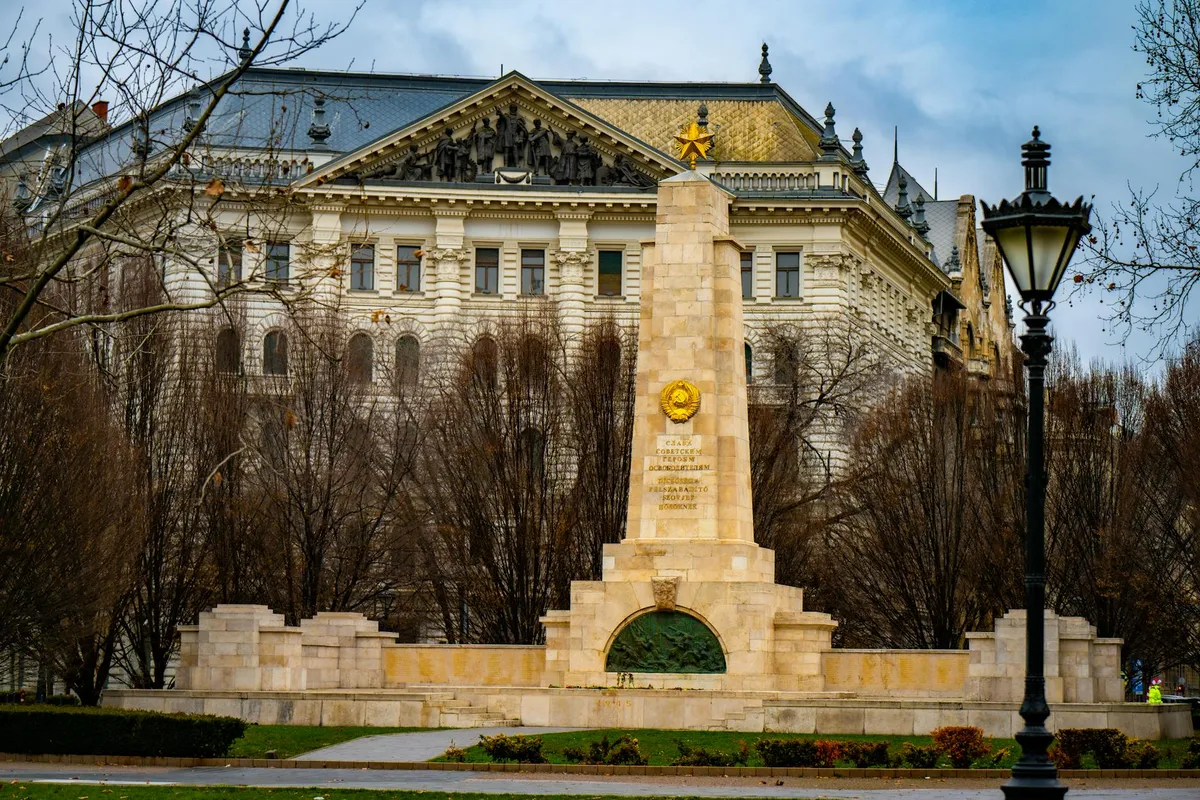
Every city makes choices about what to preserve and what to erase. The buildings that get protected; the buildings that get demolished. The histories that get marked; the histories that get forgotten. The neighborhoods that retain their character; the neighborhoods whose character is replaced. These choices are usually presented as practical decisions about land use and development, but they're also choices about what the city wants to remember and what it's willing to forget.
This essay is about the patterns in those choices, what they reveal about cultural priorities, and what cities lose when memory is selective.
What gets preserved
The patterns of preservation in most cities are consistent. Several categories of buildings reliably get preserved:
- Buildings associated with elite history (mansions of the wealthy, civic buildings, religious institutions)
- Buildings of celebrated architectural style (works by famous architects, exemplars of recognized movements)
- Buildings with photogenic qualities (visually distinctive, well-preserved, located in valuable areas)
- Buildings that fit current cultural narratives (historic preservation that aligns with established story)
These categories overlap substantially. The buildings that get preserved tend to be visually striking elite buildings in valuable locations that fit familiar narratives. The result is a preserved built environment that over-represents elite culture, visual exceptionality, and established narratives.
What gets erased
The patterns of erasure are equally consistent. Several categories reliably disappear:
- Buildings associated with marginalized populations (working-class housing, immigrant institutions, ethnic enclaves)
- Buildings of vernacular construction (ordinary buildings without celebrated architectural pedigree)
- Buildings in less-valuable locations (low-income areas, deindustrialized zones, edges)
- Buildings that complicate established narratives (uncomfortable histories, contested events)
The result of consistent erasure: built environments that under-represent the lived experience of most populations, that lack the texture of vernacular construction, that present sanitized versions of urban history.
The pattern's effects
The selective preservation pattern, sustained across decades, produces cities whose built environment misrepresents their actual histories. The cities appear, through their preserved buildings, to be more elite, more architecturally celebrated, and more narratively coherent than they actually were.
This isn't accidental. The preservation decisions reflect what the cities chose to value. The patterns are consistent because the underlying preferences have been consistent.
The effects compound. Cities with selectively preserved built environments produce residents whose understanding of their own city's history is partial. The vernacular history, the working-class history, the marginalized history — all under-represented in what's visible in the built environment, all therefore less present in residents' awareness of their own context.
The contemporary stakes
The patterns that have characterized historic preservation continue to operate in contemporary urban development. Decisions about what to preserve in current redevelopment cycles shape what future residents will encounter.
The pattern: gentrifying neighborhoods often preserve specific buildings (the Victorian rowhouse, the historic commercial building) while erasing others (the immigrant institution, the working-class housing). The resulting neighborhoods retain a curated version of their past while losing the actual texture.
This is sometimes presented as preserving the best of the past while making way for the future. From inside the gentrification process, this framing has appeal. From the perspective of populations who lose the institutions and buildings that mattered to their communities, the framing looks different.
The case for fuller memory
Cities benefit from fuller cultural memory in ways that selective memory doesn't support. Several reasons:
Historical accuracy. The actual history of any major city includes elite culture, vernacular culture, marginalized populations, contested events. Built environments that represent only some of this misrepresent what the city actually was.
Cultural continuity. Populations whose history is preserved in the built environment maintain stronger connections to their cultural heritage. Erasure of relevant buildings weakens this continuity.
Texture and interest. Cities with diverse preserved built environments are more textually interesting than cities with curated versions. The variety includes the unphotogenic buildings, the modest buildings, the buildings without architectural pedigree.
Honest engagement with the past. Cities that preserve the buildings associated with difficult history (slavery, indigenous displacement, immigrant exploitation) engage more honestly with their own pasts than cities that erase these buildings. The honest engagement produces more-mature civic culture.
Architectural diversity. Preserved built environments that include vernacular construction maintain architectural diversity that purely-elite preservation does not. The diversity is itself valuable to the urban experience.
The challenges of fuller memory
Implementing fuller cultural memory faces real challenges.
Economics. Preserving more buildings constrains development opportunities. The economic interests favoring redevelopment are powerful and sometimes overwhelm preservation considerations.
Political dynamics. Preservation decisions are political. The populations whose history would be served by fuller preservation are often the populations with less political power.
Aesthetic discourse. Established aesthetic discourse favors certain building types and styles. Vernacular and modest buildings often fall outside what's valued in mainstream architectural discussion.
Practical constraints. Some buildings are genuinely hard to preserve — structural issues, contamination, code requirements. The practical constraints affect what's feasible regardless of preservation intent.
None of these challenges is fatal, but together they explain why selective preservation has been the dominant pattern despite criticism.
What progress looks like
Several approaches have produced better preservation outcomes in some contexts:
Community-led preservation. Preservation decisions led by the populations affected by them, rather than by external preservation establishments, often produce different outcomes that better reflect community priorities.
Preservation of vernacular and working-class buildings. Recognition that ordinary buildings are worth preserving, not just exceptional ones. Some preservation programs now explicitly include vernacular categories.
Memorial markers without preservation. Where buildings can't be preserved, marking the site to acknowledge what was there. The markers don't replace the buildings but maintain awareness.
Adaptive reuse over demolition. Modifying buildings for new uses rather than demolishing them. Preserves the physical fabric while accommodating changing needs.
Documentation programs. Documenting buildings that can't be preserved through photography, drawings, oral history. The documentation preserves something even when the building is lost.
None of these is sufficient alone. Together they represent better practice than selective preservation alone.
The personal dimension
For residents and visitors of any city, the preservation pattern affects what we encounter and what we don't. The buildings we see represent specific choices about what to preserve.
What we don't see — the buildings that were demolished, the institutions that were erased, the populations whose history was rendered invisible — is also part of the city's actual history, even when it's not visible in the current built environment.
Engaging seriously with cities means engaging with both what's preserved and what's missing. The missing requires deliberate research; the preservation pattern won't reveal it on its own. Walking through a city with awareness of what was once there but isn't now produces a different understanding than walking through a city accepting only what's currently visible.
The closing observation
Cultural memory in cities is shaped by preservation decisions. Those decisions have followed patterns that produced selective memory — over-representing elite culture, under-representing vernacular and marginalized history. The resulting built environments misrepresent the cities they're in.
Better preservation patterns produce better cultural memory. The work of advocating for fuller preservation, supporting community-led preservation efforts, and engaging with the missing as well as the preserved — this is part of what serious engagement with cities involves.
Cities are products of choices about what to remember and what to forget. The choices are still being made. Worth being conscious of them rather than letting them happen by default.