
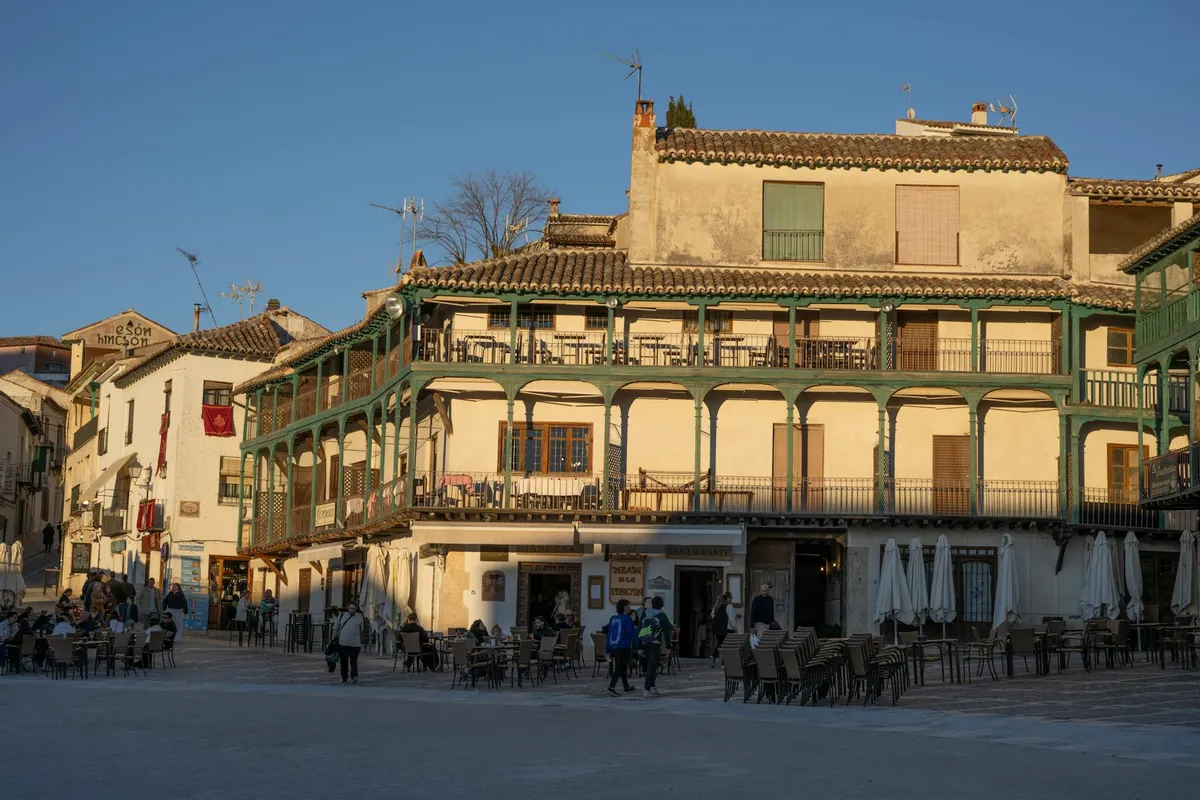
The Mediterranean plaza is among the most-quietly-successful urban inventions in the world. From the Italian piazza to the Spanish plaza to the Provençal place, the form has reproduced itself across regions and centuries. Cities that lack it try to replicate it; the replications mostly fail. The form's success — and the difficulty other cities have copying it — reveals something about what public space is and what it requires.
This essay is about what the Mediterranean plaza does well, what makes it work, and what the form teaches about urban space generally.
What the plaza does
The Mediterranean plaza performs several functions simultaneously. It is the public room of the neighborhood — the place people gather without specific purpose, where they encounter neighbors without arrangement, where the rhythms of daily life become visible to the community. It is the venue for occasional formal events — markets, festivals, civic ceremonies. It is the connective tissue of the urban fabric, the place where streets converge and orientation becomes possible.
It does these things while remaining mostly empty most of the time. The plaza in mid-morning is a few people walking through, a few sitting at café tables, the occasional delivery vehicle. It fills in late afternoon as the city wakes from siesta and gathers in the cool of evening. It empties again at night and waits for the next day.
The cycle of fullness and emptiness is part of the form. A plaza that's constantly full is more like a market or a transit hub; a plaza that's never full is more like a forgotten yard. The pulse of varying use is what produces the plaza's specific character.
What makes it work
The features of successful plazas are well-documented in urban design literature, but they're worth revisiting because they're consistently misunderstood when other cities try to replicate them.
The right size. The plazas that work are typically 30-80 meters in their longest dimension. Smaller and they're too cramped to function as public space; larger and they lose the intimacy that makes them inviting. The size sits between intimate and monumental, supporting both.
Building enclosure. The plaza is defined by the buildings around it. The buildings face the plaza, not just abut it. The walls of the buildings are the walls of the room; the plaza is the floor.
Active edges. The buildings around the plaza house active uses — cafés, shops, restaurants, residences. The activity of these uses spills into the plaza through windows, doors, café tables, and the people who move between the buildings and the public space.
Mixed transportation. Plazas accommodate pedestrians primarily but allow some vehicle access (deliveries, residents, occasional through-traffic). Strict pedestrianization sometimes makes plazas feel artificial; some vehicle presence keeps them connected to the broader urban network.
Climate-appropriate design. Mediterranean plazas have shade in the right places (often colonnades or arcades), water features for cooling, paving that doesn't become unbearably hot, orientation that maximizes evening shade.
Reasonable maintenance. The plaza is kept reasonably clean and in repair. Not pristine — the patina of use is part of the appeal — but functional and safe.
None of these features individually is exceptional. Their combination, sustained over centuries of use, produces the form's success.
Why replications fail
Cities outside the Mediterranean often try to create their own plazas. The replications mostly fail, for instructive reasons.
The plaza is not just a space; it's a use pattern. A plaza in a culture without the social rhythm of evening gathering, café culture, and casual public encounter doesn't function as a Mediterranean plaza. The space exists; the use that fills it doesn't.
The buildings around the plaza matter as much as the plaza itself. Plazas surrounded by inactive buildings (offices that close at 5pm, parking garages, blank walls) don't produce the active edges that make the form work. The plaza is empty when the buildings around it are inactive.
Climate matters. Mediterranean plazas work in Mediterranean climates. The same form in colder climates is uncomfortable for half the year and underused. Modifications can help (heated patios, shelter), but the form has limits.
Scale gets it wrong. Replicated plazas are often too large or too small. The dimensions that work in actual Mediterranean cities are specific; they're not arbitrary and don't scale arbitrarily.
The pattern of vehicle and pedestrian movement doesn't match. Mediterranean plazas evolved in cities where vehicle access was limited. Modern cities with car-dominated transportation often can't support plaza life because the surrounding streets are hostile to the pedestrian movement that feeds plaza use.
What the form teaches
The Mediterranean plaza, considered as urban form, teaches several things about public space generally.
Public space is a use, not just a space. The space alone doesn't produce the public life that makes it valuable. The use patterns that fill the space — the cultural practices of gathering, the active edges, the rhythms of daily life — are what give the space meaning.
Context shapes form. Successful urban forms emerge from specific contexts (climate, culture, transportation patterns, building types). Transplanting forms across contexts often fails because the supporting context doesn't come along.
Time produces texture. The plazas that work best have been used continuously for centuries. The patina of use, the established patterns, the accumulated cultural memory all contribute to the experience. New plazas, even well-designed ones, lack this texture and feel different even when physically similar.
Edges matter as much as centers. The buildings around a public space shape its use as much as the space itself. The most-celebrated public spaces almost always have active, varied, building-supported edges.
Multi-use beats single-use. Spaces that serve multiple purposes (daily life, occasional events, transit, gathering) develop more-stable use patterns than single-purpose spaces. Specialization in public space tends to produce underutilization.
The implication for urban design
Cities trying to create successful public space can learn from the Mediterranean plaza without trying to copy it directly.
The lessons that translate: appropriate size, active edges, building enclosure, multi-use accommodation, climate-appropriate design, time for use patterns to develop.
The lessons that don't translate easily: specific cultural use patterns, climate-specific features, the patina of centuries.
What this suggests: cities can create successful public space by attending to what made the Mediterranean plaza work, adapted to their own context. The replications that fail try to import the form without the supporting features; the successes adapt the underlying principles.
The slow time of urban form
One of the most-important lessons from the plaza tradition: urban form develops on time scales that contemporary urban planning often doesn't accommodate. The plazas we admire are products of centuries of incremental development, modification, and use. The cultural use patterns that fill them developed alongside the physical spaces over generations.
Contemporary urban projects operate on timescales of years, sometimes decades. The expectation that a new plaza will produce plaza life within a few years is unrealistic. The successful spaces require time to develop the use patterns that make them work.
This is uncomfortable to acknowledge in a culture that wants quick results. It's also true. Patient stewardship of urban space across decades produces results that quick interventions cannot.
The closing observation
The Mediterranean plaza is a successful urban form because it serves the rhythms of life in its context. It is not the only successful form; cities in other contexts have developed other forms that serve their contexts equally well. The lesson isn't that all cities should have plazas; the lesson is that successful public space emerges from the relationship between physical form, cultural use, and time.
Understanding that relationship is the work of thoughtful urbanism. The plazas remind us that the form alone is never enough.