In the crowded digital landscape, capturing audience attention and fostering brand recall requires more than just informational content. Strategic use of humor, particularly through well-crafted puns, can differentiate content and create memorable interactions. Goat puns, in particular, offer a distinct blend of playfulness and the culturally significant "G.O.A.T." (Greatest Of All Time) association, providing a unique avenue for engaging specific demographics and enhancing brand personality. For marketers and content creators, understanding the mechanics, stylistic nuances, and commercial applications of goat puns can transform mundane messaging into shareable, impactful content.
Deconstructing the Goat Pun: Meaning and Commercial Utility
A goat pun leverages wordplay related to goats, their characteristics, or sound, often incorporating the acronym G.O.A.T. These puns operate on several levels:
- Homophones and Sound-Alikes: Replacing words like "great" or "go" with "goat," or "believe" with "baa-lieve."
- Double Meanings: Utilizing phrases that have a literal goat-related interpretation and a figurative one (e.g., "kid" for a young goat and a child).
- Acronym Integration: Directly using "G.O.A.T." to signify excellence or top-tier status, often with a visual goat element.
The commercial utility of these puns stems from their ability to increase engagement and memorability. Brands targeting younger demographics, outdoor enthusiasts, or those in the dairy/farming sectors find direct relevance. Beyond niche markets, the "G.O.A.T." association allows broader application for products or services positioned as industry leaders. A well-placed goat pun can serve as a hook in social media captions, an unexpected element in email subject lines, or a creative tagline, driving higher click-through rates and fostering a positive brand association through humor.
Stylistic Considerations for Impactful Goat Puns
Effective pun usage is not arbitrary; it requires strategic alignment with brand voice and audience expectations. When crafting goat puns, consider these stylistic elements:
Audience Relevance and Tone Matching
A pun's success hinges on its reception. An audience appreciative of lighthearted content, such as consumers of quirky apparel or craft beverages, will respond differently than a B2B audience seeking technical solutions. Ensure the pun's tone aligns with your brand's established voice—whether whimsical, confident, or subtly witty. For instance, a brand selling premium outdoor gear might use "Ready to scale new heights? We've got the G.O.A.T. equipment," conveying both quality and an adventurous spirit. A children's book publisher might opt for "This story is un-baa-lievable!" for a gentler, more playful approach.
Clarity and Wit Over Obscurity
A pun should be immediately understandable. If an audience has to pause to decipher the wordplay, its impact diminishes. The most effective goat puns are concise and clever, eliciting a quick smile or chuckle. Avoid overly complex linguistic gymnastics or niche references that might alienate a broad audience. The pun should enhance the message, not obscure it. For example, "Don't kid yourself, this deal is amazing" is clear and playful, whereas a pun requiring obscure goat anatomy knowledge would likely fail.
A Brief History of Wordplay and the Rise of the G.O.A.T.
Puns have a long-standing history in language and literature, from Shakespeare's intricate wordplay to modern advertising slogans. Their appeal lies in the intellectual satisfaction of recognizing a clever twist of words. Animal-related puns, in particular, often leverage common associations or sounds. The goat, historically, has been a symbol of stubbornness, agility, or even sacrifice. However, its modern cultural prominence, especially in marketing, largely stems from the widespread adoption of the "G.O.A.T." acronym, popularized in sports and entertainment to designate the "Greatest Of All Time." This cultural shift has imbued the goat image and related wordplay with a new layer of aspiration and excellence, making goat puns not just humorous but also capable of conveying superior quality or status. This evolution provides a richer context for marketers to leverage, allowing puns to signify both lightheartedness and top-tier performance.
Visual Guide: Integrating Goat Puns with Imagery
The impact of a goat pun can be significantly amplified when paired with appropriate visuals. Visuals provide immediate context, enhance memorability, and can convey emotion that text alone might miss. Consider these visual strategies:
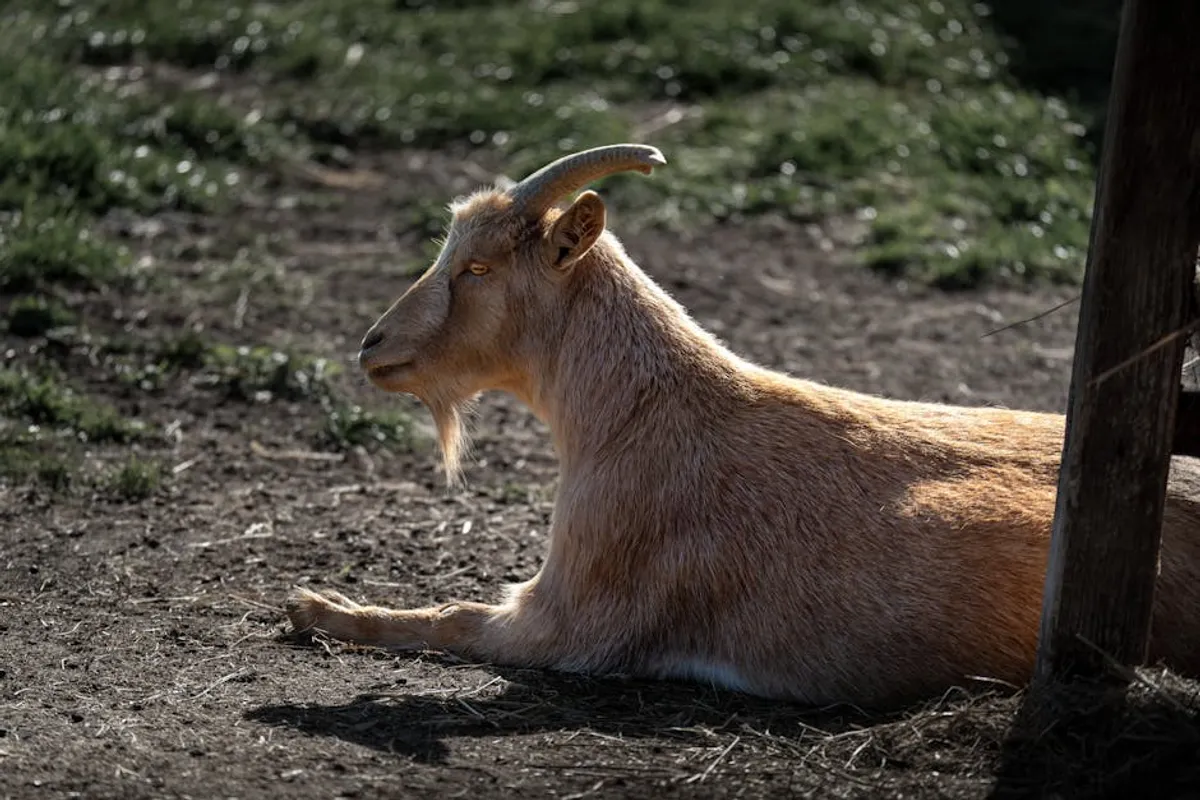
- Direct Reinforcement: Use images of actual goats in humorous or aspirational poses. A goat standing triumphantly on a mountain peak paired with "Feeling G.O.A.T. today!" directly reinforces the pun's meaning.
- Illustrative Graphics: Employ custom illustrations or vector graphics of stylized goats. These can be integrated into product packaging, website banners, or social media cards. A cartoon goat wearing sunglasses for a "cool" product, or a goat in a chef's hat for a food-related pun.
- Meme-Style Content: For social media, combine goat imagery with popular meme formats. This can tap into existing cultural trends and increase shareability, provided it aligns with brand voice.
- Product Integration: If applicable, feature products alongside a goat image or a visual representation of the pun. For example, a dairy product showing a happy goat and "Our cheese is un-baa-lievable!"
The key is to create synergy where the visual and textual elements complement each other, making the pun more engaging and easier to digest. Tools like stock photo libraries (e.g., Getty Images, Shutterstock), graphic design platforms (e.g., Canva, Adobe Express), or commissioning illustrators can help source or create suitable visuals.
Pro Tip: When using goat puns in visual content, ensure the chosen imagery is high-quality and directly supports the pun's intent. A blurry or irrelevant image can undermine even the cleverest wordplay. Test different visual pairings with a small segment of your audience to gauge effectiveness before a full campaign launch.
Crafting Impactful Goat Puns for Marketing Campaigns
Developing effective goat puns involves a structured approach:
- Keyword Brainstorming: List all goat-related terms and concepts: goat, kid, baa, bleat, ram, billy, nanny, herd, horns, beard, greatest, G.O.A.T., mountain, climb, stubborn, agile.
- Phrase Association: Identify common idioms or phrases that can be twisted. Examples: "Don't kid around," "Go for it," "Greatest hits."
- Contextual Application: Consider your marketing objective. Is it for a product launch, a social media engagement post, or an email subject line? Tailor the pun to the specific context.
- Iterate and Refine: Generate multiple options. Test them internally or with a small focus group. Which puns elicit the strongest positive reaction? Which are most memorable and clear?
While puns are not direct SEO keywords, their ability to drive engagement (likes, shares, comments) can indirectly signal content quality to search engines. Unique, memorable phrases can also become brand-specific search queries over time, contributing to brand visibility.
Optimizing Your Content with Strategic Goat Puns
Incorporating goat puns strategically can enhance content performance:
- Social Media Posts: Use them in captions to increase shares and comments. Pair with an engaging goat visual.
- Email Subject Lines: A clever pun can boost open rates by standing out in a crowded inbox.
- Product Descriptions: For relevant products, a pun can add personality and make the description more engaging.
- Blog Post Titles/Headlines: A pun-infused title can attract clicks, especially for lighthearted or lifestyle content.
- Brand Taglines: A memorable goat pun can serve as a unique and distinctive brand tagline, reinforcing brand identity.
However, discretion is crucial. Avoid puns in formal communications, highly sensitive topics, or situations where clarity and seriousness are paramount. The goal is to enhance, not detract from, the core message. Measure their success through engagement metrics like social shares, likes, comments, and email open rates to refine your approach.
Frequently Asked Questions About Goat Puns
What makes a goat pun effective in marketing?
An effective goat pun is clear, witty, relevant to the audience and brand, and often paired with a compelling visual. It should elicit a positive emotional response, such as a smile or chuckle, and enhance the overall message without causing confusion.
Can goat puns be used in B2B marketing?
While often associated with B2C, goat puns can be effective in B2B marketing if the brand's tone allows for humor and the pun is used strategically to convey a message of excellence or leadership, leveraging the "G.O.A.T." acronym for "Greatest Of All Time" in a professional context.
How do goat puns impact SEO?
Goat puns do not directly impact keyword rankings. However, by increasing content engagement (shares, comments, time on page), they can indirectly signal content quality and relevance to search engines. They also contribute to brand memorability, which can lead to direct brand searches.
Are there situations where goat puns should be avoided?
Yes, avoid goat puns in formal corporate communications, sensitive or serious topics, legal documents, or any context where humor might be perceived as inappropriate or detract from the gravity of the message. Prioritize clarity and professionalism in such instances.