
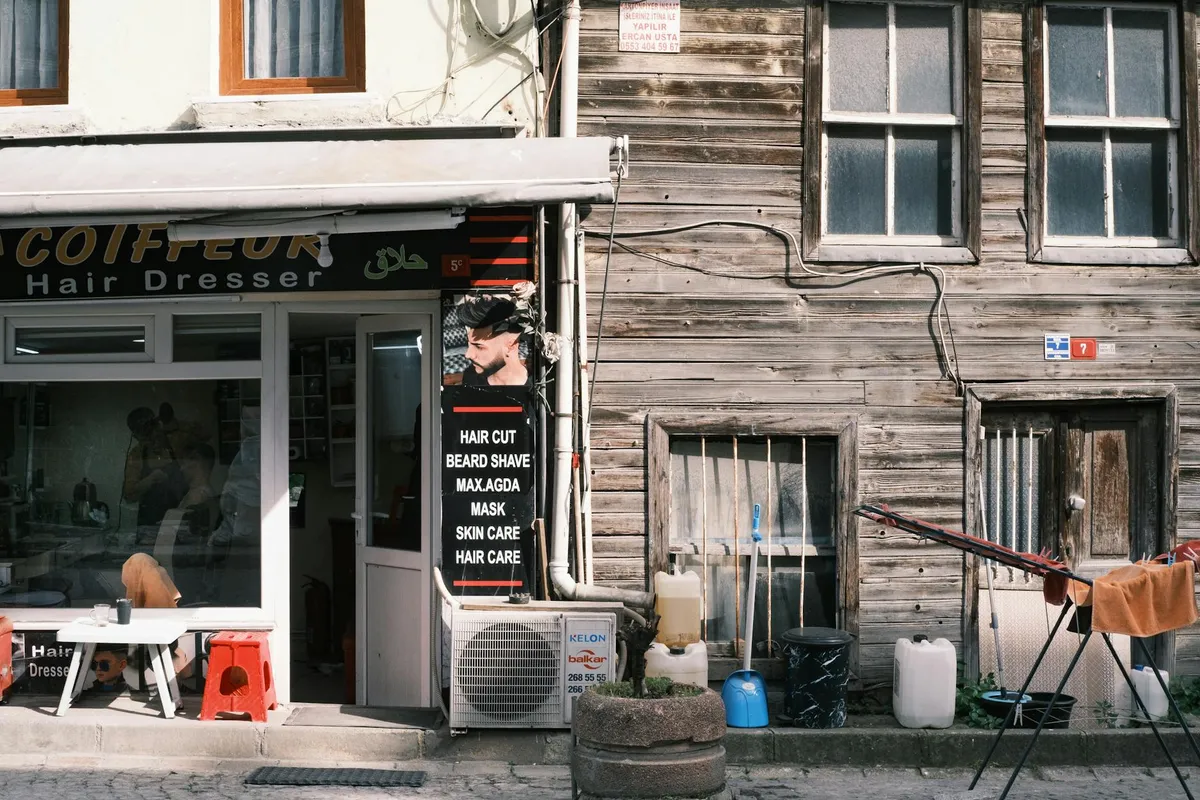
Guidebook publishing concentrates on a small number of cities. The same hundred or so destinations across most travel publishing. Within those destinations, the same ten or twenty neighborhoods. The cities outside this circuit — the medium-sized cities, the regional capitals, the places that exist for their own residents rather than for tourists — get almost no guidebook coverage. They're also where some of the most-rewarding urban experience can be found.
This essay is about the cities that aren't in guidebooks. What they offer that the famous cities don't, why they're overlooked, and how to find them.
What the famous cities provide
The famous cities are famous for reasons. They have major museums, exceptional architecture, established cultural institutions, deep histories accessible to visitors. They're relatively easy to navigate (signage in English, familiar tourism infrastructure, well-developed public transportation). They offer the experiences that travel media has prepared visitors to expect.
For visitors with limited time, limited language skills, and specific interests in major cultural sites, the famous cities are efficient. The infrastructure exists; the experiences are accessible; the planning is straightforward.
The famous cities are not, however, the only cities worth visiting. They're not even necessarily the most-rewarding cities to visit, depending on what the visitor is actually seeking.
What the un-famous cities offer
The cities outside the guidebook circuit offer different qualities than the famous cities, qualities that some visitors find more valuable.
Daily life unaffected by tourism. The streets, cafés, shops, and public spaces of un-famous cities operate at normal local rhythms rather than tourist rhythms. The experience of being in the city is closer to the experience of actually living there than to the experience of touring through.
Lower-pressure interaction with locals. Locals in tourist cities have learned to manage frequent visitor interaction; locals in non-tourist cities engage with visitors as relatively novel encounters. The interactions feel different — sometimes less polished, often more genuine.
Affordable infrastructure. Hotels, restaurants, and services in non-tourist cities are priced for local incomes rather than for tourist budgets. The same money buys substantially more in non-tourist cities.
Less crowded experience. The visited sites in non-tourist cities don't require navigating tour groups, ticket queues, or photo-taking crowds. The actual experience of looking at things is more direct.
Architectural and cultural texture without curation. The famous cities have curated their cultural offerings for visitors. Non-tourist cities have the texture of actual urban life — the unrenovated buildings, the working neighborhoods, the institutions that exist for residents rather than for visibility.
Surprises. The famous cities have been documented exhaustively. Whatever you'll see is mostly already in your guidebook. Non-tourist cities have things that haven't been documented in materials available to you. Discoveries are possible.
What you give up
Visiting non-tourist cities involves trade-offs.
Less tourist infrastructure. Translated signage, English-speaking service staff, hotels designed for travelers — all less common. Visitors need more language capability or more tolerance for ambiguity.
Fewer "must-see" attractions. Non-tourist cities don't have the major museums and monuments of famous cities. Visitors expecting tour-able attractions will be disappointed.
Less-organized cultural experience. The non-tourist cities don't organize cultural experiences for visitors. Finding what's interesting requires more effort than the curated tourist circuit provides.
Less efficiency for short visits. Non-tourist cities reward longer visits. Short visits to non-tourist cities often produce less return than equivalent short visits to famous cities.
Less peer-validated experience. Visitors to non-tourist cities don't come back with the established cultural references that visiting famous cities provides. The experience is harder to share or describe to others.
For some visitors these trade-offs are unfavorable. For others they're part of what makes non-tourist visits more valuable.
What kinds of un-famous cities work
Within the broad category of cities not in guidebooks, certain types tend to reward visits more than others.
Regional capitals of substantial size. Cities of 200,000-1 million population that serve as regional centers tend to have substantial cultural infrastructure built for residents. Lyon, Bilbao, Bologna, Krakow — all on tourist circuits but as second-tier destinations; many comparable cities aren't even at second-tier and offer similar quality.
University cities. Cities with substantial universities have intellectual and cultural life sustained by the academic population. Coimbra, Heidelberg, Tübingen, Nijmegen — variable in their tourist reputation but all rewarding for visitors interested in textured urban experience.
Industrial cities with cultural revival. Cities transitioning from industrial economies have often invested in cultural infrastructure to support new identities. Manchester, Antwerp, Hamburg, Marseille — all combine industrial heritage with significant cultural scenes.
Smaller historic cities in less-traveled regions. Cities with substantial historic fabric in regions outside the main tourist circuits. Many cities in eastern Europe, central and southern Italy outside the famous trio, smaller French cities, regional capitals across Asia and Latin America.
The common feature: these are cities with enough scale and cultural depth to reward visits, but without the tourist saturation that has shaped the famous cities.
How to find them
Finding rewarding non-tourist cities requires research outside the standard travel publishing channels.
Read regional rather than international travel writing. Travel writing for the cities' national audiences often covers what the international guidebooks miss. The challenge is finding it; some of the best writing is in languages you may not read.
Follow specific interests rather than general tourism. If you're interested in modernist architecture, Brutalist buildings, post-war urban planning, religious sites, or any specific topic — research where exemplars exist outside the famous cities.
Use academic and professional sources. Architectural publications, urban planning literature, regional history publications often discuss cities that travel writing ignores.
Talk to people from the regions. People who actually live in and around the regions know which cities reward visits and why. Their recommendations often point to cities that travel writing doesn't cover.
Be willing to visit cities without specific plans. Some visits work best as exploration. Arriving in a city without a fixed agenda and discovering what's there can produce experiences that planned visits cannot.
How to visit them well
Visits to non-tourist cities benefit from different practices than visits to famous cities.
Spend more time per city. Non-tourist cities reveal themselves slowly. Two days is often the minimum for a meaningful encounter; a week can begin to produce real understanding.
Stay in residential neighborhoods rather than central tourist areas. The residential neighborhoods are where the actual urban life happens. Central hotels in non-tourist cities often miss the texture that makes the cities worth visiting.
Eat where locals eat. The restaurants designed for tourists in non-tourist cities are usually mediocre at best. The restaurants where locals eat are often excellent and dramatically less expensive.
Walk extensively. Non-tourist cities reveal themselves to walkers in ways that visits-by-vehicle can't replicate.
Engage with normal urban activities. Markets, public squares, libraries, parks, transit. The normal activities of urban life are what produces the texture of non-tourist visits.
Be patient with imperfection. Non-tourist infrastructure isn't designed for visitor convenience. Things take longer; communication is harder; the experience is rougher around the edges. The roughness is part of what produces the value.
The case for the un-famous
The cities outside the guidebook circuit collectively constitute most of the world's urban civilization. Limiting urban exploration to the few hundred cities in the standard tourist circuit means missing most of what cities have to offer.
The famous cities are famous for reasons; they remain worth visiting. The non-famous cities offer different things — the texture of actual urban life, encounters that haven't been pre-curated, the discoveries that come from looking at places that haven't been exhaustively documented.
For visitors interested in cities themselves rather than in the curated tourist experience of cities, the non-famous cities are often more rewarding than the famous ones.
The closing observation
The cities not in guidebooks are not lesser cities. They're cities that exist primarily for their residents rather than for visitors. The experience of visiting them is different from the experience of visiting tourist cities — slower, less curated, more demanding, more rewarding for visitors with the time and patience to engage on the cities' terms.
For your next urban visit, consider going somewhere outside the guidebook circuit. The trip will be harder to plan and harder to describe to others, and it may produce one of the more-memorable urban experiences you have. The cities are waiting; they don't advertise; finding them is part of the pleasure.